
Tech News
Enhancing Patient Outcomes with Digital Twins: Revolutionizing Predictive Patient Care

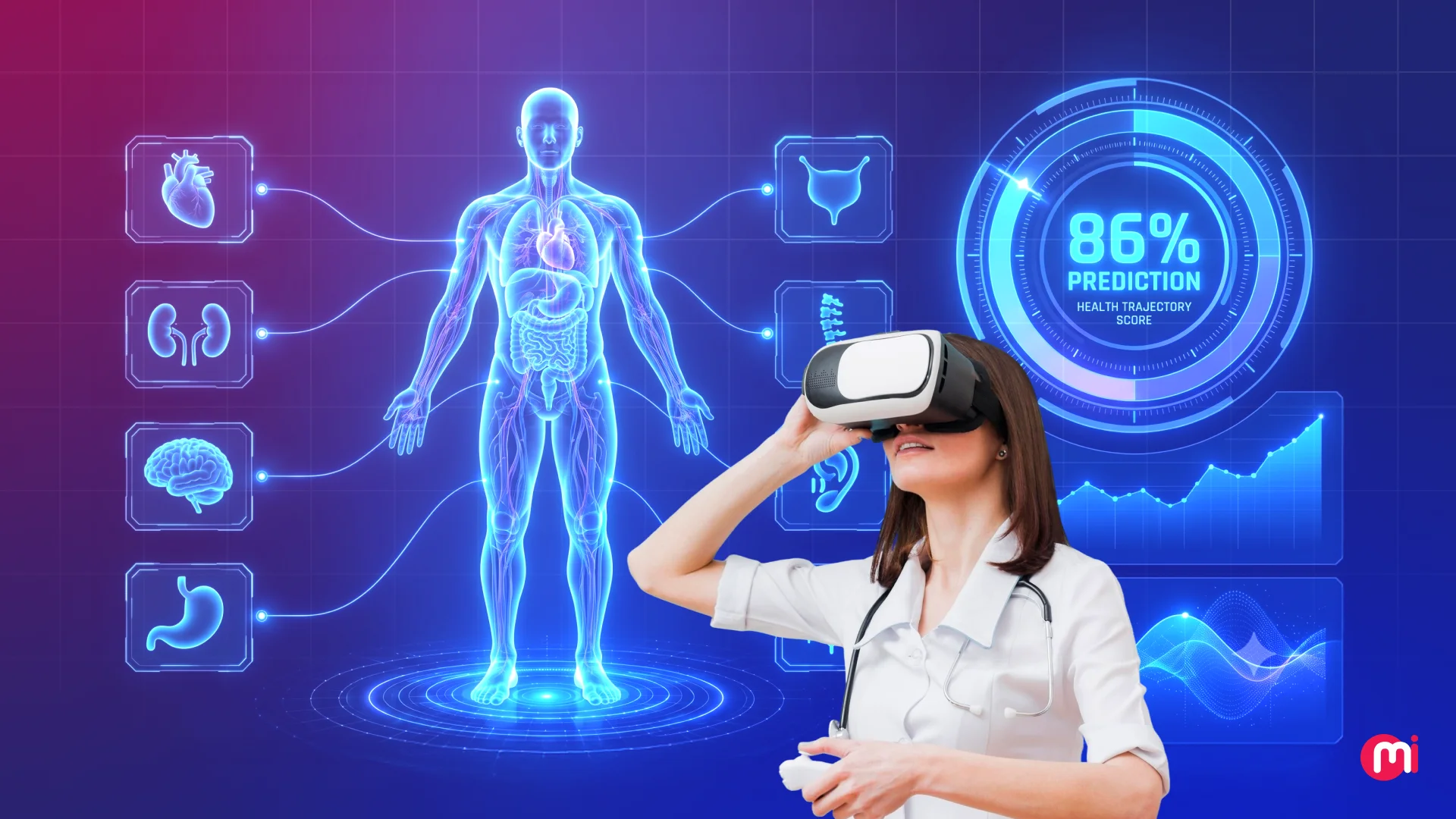
Healthcare has traditionally focused on reactive treatment, waiting for symptoms to appear before taking action. However, advancements in AI, real-time data streams, and simulation technology are ushering in a new era of predictive patient care. Clinicians can now anticipate, model, and often prevent illnesses through the use of digital twins.
Digital twins are virtual replicas of individual patients that continuously update and simulate future health trajectories. These models go beyond recording health history to predict risks and simulate interventions before symptoms manifest.
This article explores how digital twins are revolutionizing predictive patient care by providing personalized, proactive healthcare solutions. It delves into the concept, functionality, current applications, and the future of AI-driven predictive healthcare.
Key Takeaways
- Digital twins enable real-time virtual patient models, shifting healthcare towards personalized, predictive care.
- AI in predictive healthcare facilitates early risk detection, including cardiac events and foetal complications before symptoms appear.
- Multidimensional data such as biological, behavioral, cognitive, and emotional factors enhance the power of predictive digital twin models.
- Applications of digital twins span disease management, hospital operations, drug discovery, mental health, and population-level surveillance.
- Organizations must address challenges such as data privacy, interoperability, regulatory uncertainty, and implementation costs before deploying digital twin solutions.
What Are Digital Twins in Patient Care
A digital twin in patient care is a dynamic, virtual replica of an individual patient that continuously updates with real-time data streams from wearable devices, electronic health records, genomic data, medical imaging, lab results, and environmental/lifestyle data.
Digital twins in healthcare go beyond traditional care by offering continuous, real-time tracking, personalized treatment simulations, proactive risk detection, and virtual trials on patient models.
Traditional Care vs. Digital Twin-Enabled Care
| Aspect | Traditional Care | Digital Twin-Enabled Predictive Care |
| Monitoring | Periodic check-ups | Continuous, real-time tracking |
| Treatment | Generalized protocols | Personalized simulations |
| Risk Detection | Reactive (post-symptom) | Proactive (pre-symptom) |
| Drug Testing | Clinical trials only | Virtual trials on patient model |
| Cost | High (late-stage interventions) | Lower (early prevention) |
| Data Utilization | Fragmented records | Unified, AI-analyzed data |
How Do Digital Twins Work for Predictive Patient Care?
The accumulated data feeds into an AI and simulation engine that models the patient’s physiology, predicts changes, and allows clinicians to virtually test interventions before applying them in real life. This results in a real-time patient monitoring system and a forward-looking simulation engine built around an individual patient.
Key benefits of predictive patient care using digital twins include personalized treatment, reduced exposure to trial-and-error medication adjustments, earlier detection of deteriorating conditions, improved surgical outcomes, and greater engagement through continuous remote monitoring.
For Clinicians:
- Real-time decision support backed by AI-generated insights
- Reduced diagnostic uncertainty and clinical risk
- More efficient ward rounds and case planning
- Access to comprehensive, unified patient data











Lost in the Living Maze: Unraveling Hidden Terrain Magic Through Copy-Paste

Samsung Unveils Exclusive Galaxy Z Fold 8 BTS Edition

Navigating the Digital World: Expert Tech Advice for Everyman

OMass Therapeutics Secures €275 Million Funding to Advance Innovative Small-Molecule Therapies

The Evolution of Apple’s Smart Home Strategy: A Closer Look at Their Own Devices

Unveiling the Imposter: The Truth Behind the Fake WhatsApp Clone on the Play Store

Digital Protection: How a 1988 Law Could Safeguard Your Online Viewing Experience

BMW Unlocks Greater Range for i7 Model Through Innovative Technology

Modern Warfare 4: The Final Chapter and the Birth of a New COD Legacy

EU Takes Action Against Instagram and Facebook for Violating Illegal Content Rules

Warning: Facebook Creators Face Monetization Loss for Stealing and Reposting Videos

Facebook’s New Look: A Blend of Instagram’s Style

Facebook Compliance: ICE-tracking Page Removed After US Government Intervention

Facebook and Instagram to Reduce Personalized Ads for European Users

InstaDub: Meta’s AI Translation Tool for Instagram Videos

Reclaim Your Account: Facebook and Instagram Launch New Hub for Account Recovery

Meta discontinues Messenger apps for Windows and macOS

Breaking Updates: Meta Connect 2025 Unveils Latest Developments

$25,000 Gaming Setup – EVOLUTION!

The Maze Alpha X is HERE!

Cool Tech under $100 – December!

MYSTERY UNBOXING FROM GOOGLE!

TOP 6 Smartphones from Companies you NEVER Expected!

A Surprise Smartphone from EE!

DOOGEE MIX 2 VS DOOGEE MIX 1!

INCREDIBLE Smartphone Gadgets on Amazon!

10 Android Apps you NEED to try in 2017 / 2018
-
 Facebook12 months ago
EU Takes Action Against Instagram and Facebook for Violating Illegal Content Rules
-
 Facebook1 year ago
Warning: Facebook Creators Face Monetization Loss for Stealing and Reposting Videos
-
 Facebook10 months ago
Facebook’s New Look: A Blend of Instagram’s Style
-
 Facebook1 year ago
Facebook Compliance: ICE-tracking Page Removed After US Government Intervention
-
 Facebook10 months ago
Facebook and Instagram to Reduce Personalized Ads for European Users
-
 Facebook1 year ago
InstaDub: Meta’s AI Translation Tool for Instagram Videos
-
 Facebook11 months ago
Reclaim Your Account: Facebook and Instagram Launch New Hub for Account Recovery
-
 Apple12 months ago
Meta discontinues Messenger apps for Windows and macOS
