
Apple
The Electric Misstep: Ferrari’s Flawed Design for its First EV

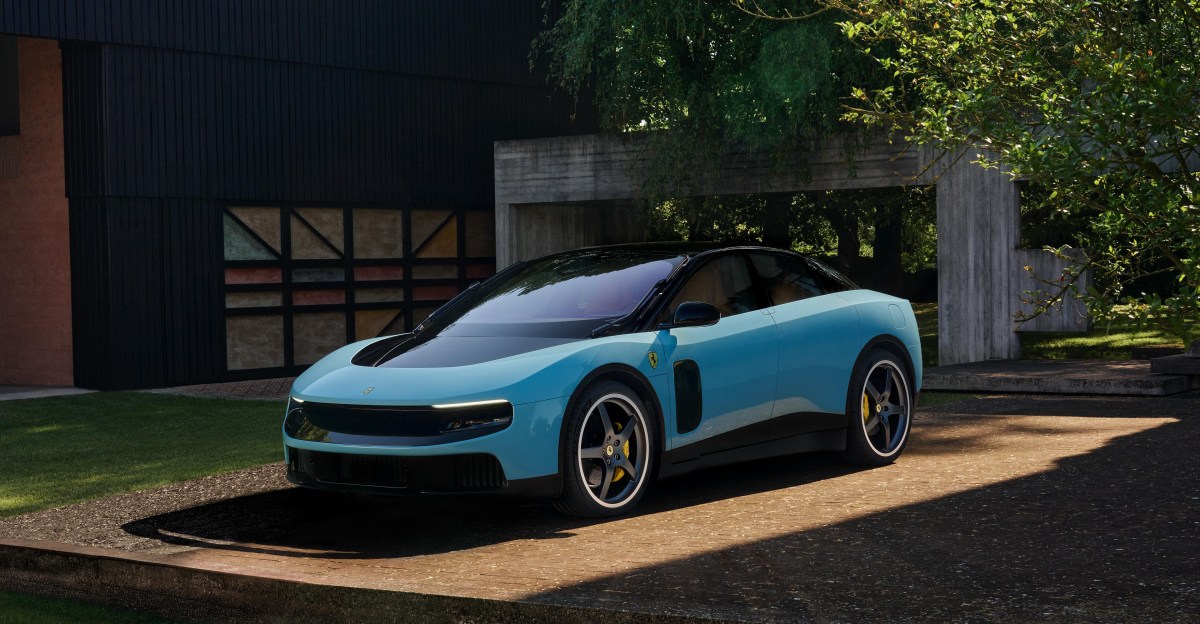
For almost eight decades, Ferrari held a special place in popular culture, with its cars being seen as aspirational even by those who couldn’t afford them. The high price, exclusivity, and mysterious buying process shielded Ferrari from most criticism. Even if you couldn’t buy one, you still desired to own one.
However, with the recent introduction of the all-electric Luce, Ferrari faced a harsh reality check, drawing widespread criticism, mockery, and ridicule on the internet. People likened the Luce to household appliances like a vacuum cleaner or a Magic Mouse, and some even compared it to a Nissan Leaf, a stark departure from Ferrari’s usual image.
The launch of the Luce comes at a time of heightened wealth inequality and growing resentment towards corporate excess. In this climate, a car priced at over $640,000 that lacks the unique and aggressive design language of traditional Ferraris sparked outrage among loyalists and fans.
Derek Jenkins, the SVP of Design and Brand at Lucid, highlighted the disconnect between the Luce’s design and Ferrari’s brand identity. While some elements like the taillights and logo nod to the brand, the overall design fails to capture the essence of a Ferrari, leading to a mismatch with the brand’s heritage.
“The face of the car isn’t identifiable… It’s a mismatch with the brand.”
— Derek Jenkins, SVP of Design and Brand at Lucid
The Luce, developed in collaboration with renowned Apple designers Jony Ive and Marc Newson, boasts impressive specs like four motors, 1,035 horsepower, and a range of around 500 km on a single charge. Despite Ive’s critical stance on car design in the past, he found the process of designing a car surprisingly challenging.
The Luce represents a departure from Ferrari’s traditional design language, with a longer body and a more aerodynamic profile. It deviates from the sharp, aggressive lines characteristic of Ferrari’s vehicles, opting for a more streamlined and unconventional aesthetic.
Raphael Zammit, chair of transportation design at the College for Creative Studies, emphasized the differences between industrial design and automotive design, suggesting that Ive’s expertise in one may not seamlessly translate to the other. The Luce’s design, while praised for its blend of analog and digital elements, seems more suited for a smaller city car than a high-end supercar.
Following the unveiling of the Luce, Ferrari’s stock prices took a hit, reflecting investor concerns about the design backlash and the company’s return on investment. However, Ferrari’s CEO noted a strong interest in the Luce, particularly from new customers, leading to a rebound in the stock prices.
Stephanie Brinley, an automotive analyst, attributed the negative reaction to the economic and political climate. Despite the criticism, she believes that the Luce’s impact on Ferrari’s overall legacy may be minimal, as the brand has a strong reputation that can withstand such setbacks.
A moment of collective trolling
Criticism of the Luce’s design has extended beyond automotive circles, drawing harsh comments from Italian officials and even former Ferrari executives. The backlash has permeated general culture sites and social media platforms, reflecting the widespread disappointment with Ferrari’s new direction.
Lamborghini’s CEO, Stephan Winkelmann, indirectly commented on the Luce, emphasizing the importance of innovation that resonates with customers rather than forcing radical changes. Competitors in the supercar industry are closely watching Ferrari’s response to the design backlash.
Automotive designers, including Raphael Zammit, criticized the Luce’s bland and uninspiring design, noting its departure from Ferrari’s iconic visual language. The vehicle’s proportions, lack of identity, and unconventional features have raised concerns about Ferrari’s design direction.
Ferrari’s decision to collaborate with LoveFrom for the Luce’s design reflects a strategic move to appeal to the Chinese market, where electric vehicles are gaining popularity. The design choices for the Luce may be aimed at attracting Chinese consumers accustomed to luxury EVs.
While the Luce’s design has faced significant backlash, industry experts believe that Ferrari’s long-term reputation and legacy are strong enough to weather the storm. The design misstep may serve as a learning experience for Ferrari as it navigates the evolving automotive landscape.
Despite the controversy surrounding the Luce, the public’s renewed interest in Ferrari’s heritage underscores the enduring appeal of the brand’s iconic design language and emotional connection with enthusiasts.
Follow topics and authors from this story to see more like this in your personalized homepage feed and to receive email updates.
- Abigail Bassett
- Apple
- Design
- Electric Cars
- Tech
- Transportation










Exclusive: Apple Website Leak Reveals iPad mini 8 Release

Unleashing Potential: Overcoming Limitations

Uncovering the Bystander Problem: Insights from a Former AWS Security Engineer on Amazon’s Bee AI Devices

Arizona Sunshine: Unleashing the Doggy Co-op Mode in January

International Collaboration: Surrey, Sheffield, and Melbourne Join Forces on £3.2m Project to Create Provably Secure Sandbox for AI Agents

Tech Advisor Announces Samsung Galaxy Phones Now Available on Google Play Store

Exploring the Boundaries of Physical AI: Insights from an Nvidia Veteran Turned Investor

The Latest Updates on Apple’s iPhone Duo

Google Unveils Revolutionary ‘Universal’ Online Shopping Cart for Seamless Shopping Experience

EU Takes Action Against Instagram and Facebook for Violating Illegal Content Rules

Warning: Facebook Creators Face Monetization Loss for Stealing and Reposting Videos

Facebook’s New Look: A Blend of Instagram’s Style

Facebook Compliance: ICE-tracking Page Removed After US Government Intervention

Facebook and Instagram to Reduce Personalized Ads for European Users

InstaDub: Meta’s AI Translation Tool for Instagram Videos

Reclaim Your Account: Facebook and Instagram Launch New Hub for Account Recovery

Meta discontinues Messenger apps for Windows and macOS

Breaking Updates: Meta Connect 2025 Unveils Latest Developments

Finally Fixing my Wi-Fi – Zyxel Multy X!

$25,000 Gaming Setup – EVOLUTION!

The Maze Alpha X is HERE!

Cool Tech under $100 – December!

MYSTERY UNBOXING FROM GOOGLE!

TOP 6 Smartphones from Companies you NEVER Expected!

A Surprise Smartphone from EE!

DOOGEE MIX 2 VS DOOGEE MIX 1!

INCREDIBLE Smartphone Gadgets on Amazon!
-
 Facebook12 months ago
EU Takes Action Against Instagram and Facebook for Violating Illegal Content Rules
-
 Facebook1 year ago
Warning: Facebook Creators Face Monetization Loss for Stealing and Reposting Videos
-
 Facebook10 months ago
Facebook’s New Look: A Blend of Instagram’s Style
-
 Facebook1 year ago
Facebook Compliance: ICE-tracking Page Removed After US Government Intervention
-
 Facebook10 months ago
Facebook and Instagram to Reduce Personalized Ads for European Users
-
 Facebook1 year ago
InstaDub: Meta’s AI Translation Tool for Instagram Videos
-
 Facebook11 months ago
Reclaim Your Account: Facebook and Instagram Launch New Hub for Account Recovery
-
 Apple12 months ago
Meta discontinues Messenger apps for Windows and macOS
