
AI
Lessons for Enterprises from Microsoft CEO Satya Nadella’s Shareholder Insights

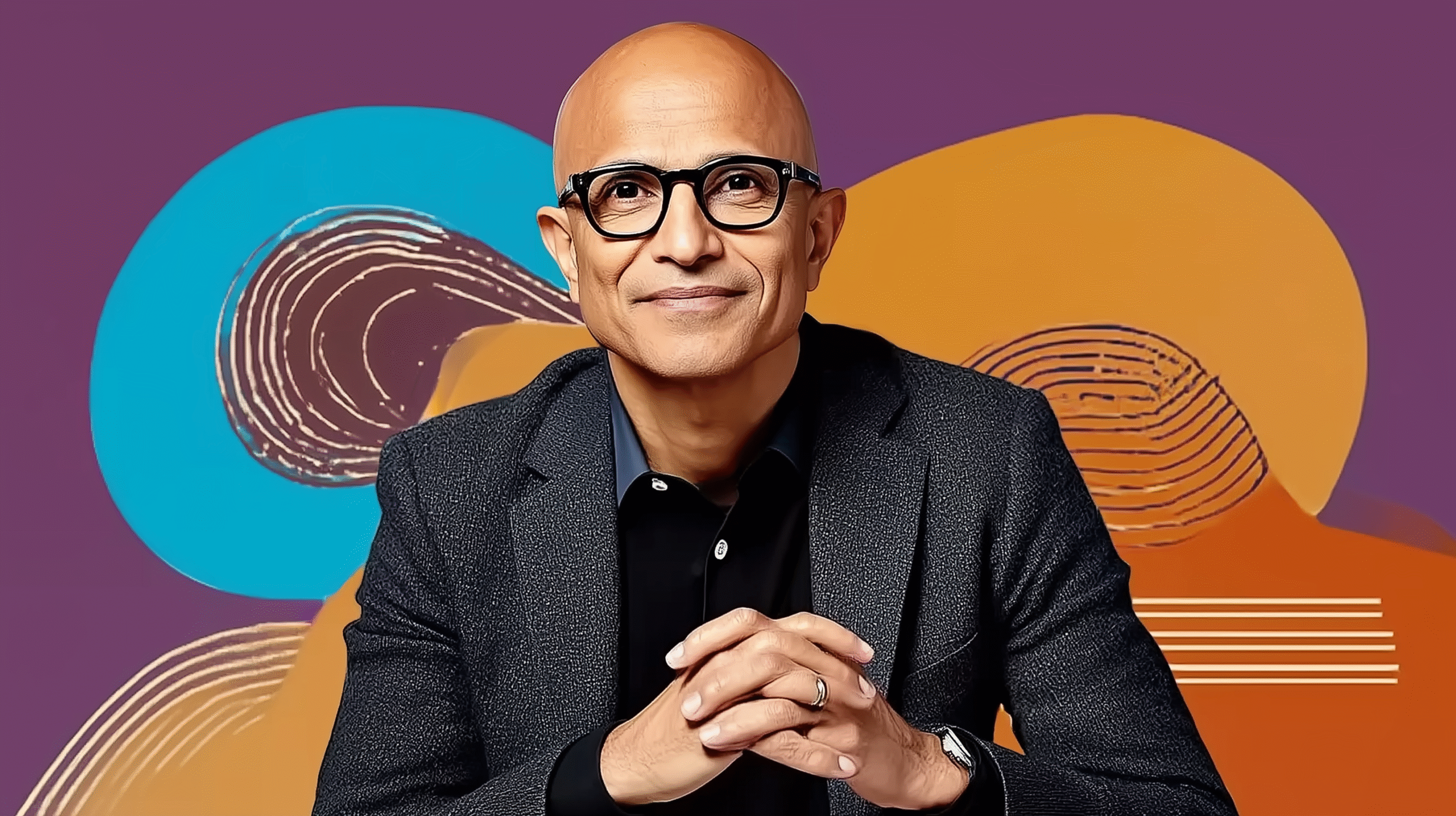
Microsoft CEO Satya Nadella’s Annual Letter Highlights AI Strategy
Microsoft CEO Satya Nadella, a key figure in the current generative AI surge, recently released his annual letter on LinkedIn, outlining the company’s vision for the future of artificial intelligence. In his letter, Nadella emphasizes the importance of enterprise technical decision makers paying attention to Microsoft’s direction in AI, as it can provide valuable insights for their own planning and technology development.
Nadella stresses that AI is reshaping every aspect of the tech stack, and Microsoft is actively adapting to this transformation. The company aims not only to participate in the AI revolution but also to lead in shaping its infrastructure, security, tooling, and governance for years to come.
While the letter is primarily directed at Microsoft shareholders, its implications extend beyond the company. It serves as a strategic signal to enterprise engineering leaders, highlighting the importance of technical vision and operational discipline in navigating the AI era.
1. Emphasis on Security and Reliability
Nadella prioritizes security in Microsoft’s AI strategy, linking it to the company’s future relevance. Through initiatives like the Secure Future Initiative (SFI) and Quality Excellence Initiative (QEI), Microsoft is investing heavily in securing its systems and increasing platform resiliency. Nadella underscores the non-negotiable nature of security in AI deployments, signaling a shift towards mission-critical software standards.
2. Hybrid and Open AI Infrastructure
Microsoft is committed to building planet-scale AI systems, with a focus on hybrid, open, and sovereignty-ready infrastructure. The company’s Azure datacenters, liquid-cooled GPU clusters, and multi-model approach showcase its dedication to scalability and versatility in AI solutions. Enterprises are encouraged to adopt portfolio architectures that incorporate diverse AI models to meet evolving needs.
3. Evolution towards AI Agents
Microsoft’s AI strategy now revolves around AI agents that perform tasks, moving beyond traditional chatbot functionalities. Nadella highlights the development of AI agents in various domains, emphasizing the need for enterprises to build agent ecosystems that can execute actions within their systems. This shift requires a focus on workflow orchestration, API integration, and robust guardrails.
4. Unified Data Platforms for AI Value
Nadella discusses Microsoft Fabric and OneLake as essential components for unlocking AI value through centralized data management and seamless integration of analytics and AI workloads. Enterprises are urged to consolidate their data architecture and enforce metadata governance to drive AI success at scale.
5. Focus on Trust, Compliance, and Responsible AI
Microsoft’s commitment to responsible AI practices, transparency, and compliance underscores the importance of trust in technology. Enterprises must prioritize model documentation, reproducibility, audit trails, and risk monitoring to ensure ethical AI deployment. Nadella emphasizes that compliance should be integrated into product delivery processes from the outset.
In conclusion, Nadella’s letter outlines Microsoft’s ambition to lead the next industrial transformation powered by AI infrastructure. Enterprises that invest in secure cloud foundations, unified data architectures, agent-based workflows, and responsible AI practices are poised to succeed in the evolving AI landscape. Microsoft’s strategic vision aims to position the company as a key platform for driving AI-driven innovation across industries.











Setting the Standard: How Bentley’s Design Influence Inspires Imitation

Industry Impact: Microsoft’s Job Cuts Shake Up Artists, Game Designers, and Producers in Washington State

Release Dates Revealed: Mycopunk and Virtue Unleashed with a Sledgehammer

Oppo Find X10: The Next Generation OnePlus 16 Replacement

First Look: Samsung Galaxy Tab S12 Ultra Unveiled

NUS Enterprise Expands Globally with Nova: A Revolutionary AI Platform for Research Commercialisation

Mastering the iPhone 18 Pro’s Aperture: Enhancing Your Photography with These Camera Apps

Reimagining the Next Generation: A Closer Look at the Apple TV 4K and HomePod Mini

Samsung Galaxy S9 & S9+ UNBOXING!

EU Takes Action Against Instagram and Facebook for Violating Illegal Content Rules

Warning: Facebook Creators Face Monetization Loss for Stealing and Reposting Videos

Facebook’s New Look: A Blend of Instagram’s Style

Facebook Compliance: ICE-tracking Page Removed After US Government Intervention

Facebook and Instagram to Reduce Personalized Ads for European Users

InstaDub: Meta’s AI Translation Tool for Instagram Videos

Reclaim Your Account: Facebook and Instagram Launch New Hub for Account Recovery

Meta discontinues Messenger apps for Windows and macOS

Breaking Updates: Meta Connect 2025 Unveils Latest Developments
Samsung Galaxy S9 & S9+ UNBOXING!

Samsung Galaxy S9 Plus vs iPhone X

The BEST $300 Phone (2018) ft. MKBHD, Technical Guruji, iJustine + More

Samsung Galaxy S9 Plus Gaming Review! (vs OnePlus 5T)

THE BEST PHONE HTC EVER MADE?

The Truth about Google?

Samsung S9/ S9+ vs iPhone X vs Galaxy Note 8 Battery Life DRAIN TEST

Samsung S9 / S9+ vs Mate 10 Pro vs iPhone X Charging SPEED Test

The BEST APPS in 2018 – ft. MKBHD, UrAvgConsumer, iJustine + More
-
 Facebook11 months ago
EU Takes Action Against Instagram and Facebook for Violating Illegal Content Rules
-
 Facebook12 months ago
Warning: Facebook Creators Face Monetization Loss for Stealing and Reposting Videos
-
 Facebook10 months ago
Facebook’s New Look: A Blend of Instagram’s Style
-
 Facebook12 months ago
Facebook Compliance: ICE-tracking Page Removed After US Government Intervention
-
 Facebook10 months ago
Facebook and Instagram to Reduce Personalized Ads for European Users
-
 Facebook12 months ago
InstaDub: Meta’s AI Translation Tool for Instagram Videos
-
 Facebook10 months ago
Reclaim Your Account: Facebook and Instagram Launch New Hub for Account Recovery
-
 Apple11 months ago
Meta discontinues Messenger apps for Windows and macOS
