
AI
Revolutionizing Professional Networking with Advances in Natural Language Processing

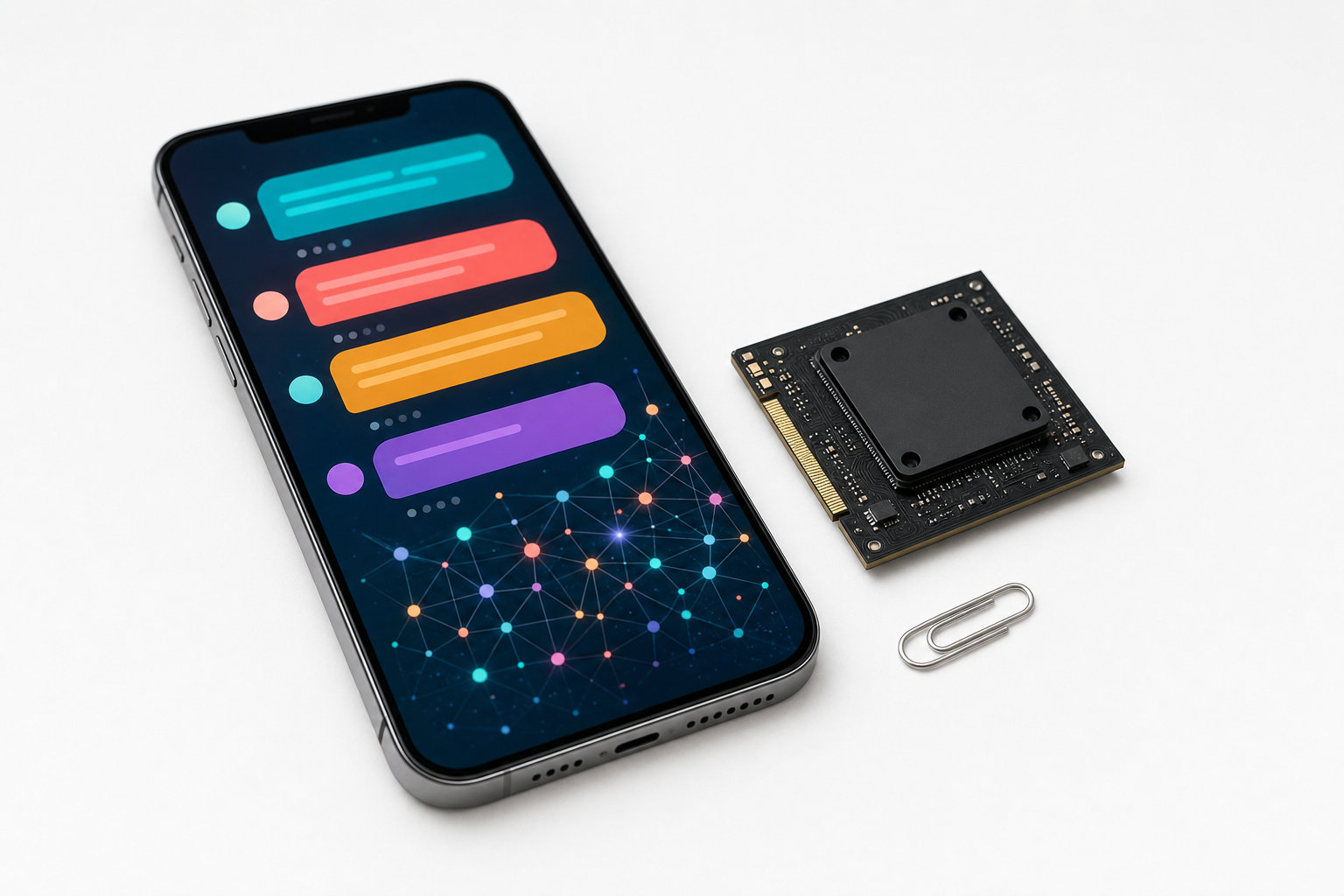
Natural Language Processing Revolutionizing Online Professional Networking
The landscape of professional communication on digital platforms is undergoing a significant transformation, thanks to the advancements in natural language processing technology. This evolution is enabling users to engage in more meaningful and personalized networking interactions, ultimately reshaping the way connections are initiated and maintained in the professional realm.
Modern AI-driven systems are becoming increasingly proficient in understanding and generating human language, leading to a myriad of opportunities and challenges in authentic relationship-building. These technological breakthroughs are instrumental in streamlining introductions, fostering contextual conversations, and helping users navigate the ever-expanding digital networking space.
Key Features of NLP Enhancing Online Networking
The core features of contemporary natural language processing are revolutionizing the efficiency and effectiveness of online networking. AI systems now have the capability to detect message intent, filtering out unsolicited contacts and presenting users with more relevant networking opportunities. This not only reduces unwanted messages but also enhances the overall quality of conversations.
Another notable advancement is the ability of NLP systems to adapt tone and style to align with diverse industries, cultures, and organizational hierarchies. Summarization tools can condense lengthy profiles and conversation histories, enabling users to quickly assess potential connections or recall previous discussions. Additionally, multilingual support facilitates networking across language barriers while preserving nuanced meanings.
Semantic Matching for Enhanced Relevance and Fit
Traditional professional networking platforms relied heavily on keyword matching to connect users based on basic criteria. In contrast, current networks utilize semantic matching and embeddings to assess the intent and meaning behind interactions, resulting in more targeted connection recommendations. This approach minimizes ineffective mass outreach by emphasizing shared context, experience, or objectives.
Natural language processing tools can analyze conversational content to identify overlapping interests and relevant experiences, going beyond mere skills or job titles. Connections are now suggested based on shared projects, mutual challenges, or similar goals, promoting more meaningful engagement and reducing irrelevant messages.
Striking a Balance Between Personalization, Authenticity, and Safety
Advanced natural language processing technologies enable greater personalization in networking encounters, with messages tailored to context and conversation history. While this enhances relevance and user satisfaction, there is a fine line to tread to ensure authenticity and digital safety. AI-generated messages that mimic personal details too closely or contain false information can erode trust and seem intrusive.
Concerns around inaccuracies, known as hallucinations, in AI-generated content pose challenges in maintaining reliability in professional contexts. Language bias within NLP models can introduce stereotypes or unsuitable tones, emphasizing the importance of transparency and vigilance among users to detect inconsistencies in generated content.
Shaping Data Policy and Anticipating Future Trends
The rapid advancements in digital networking intersect with privacy standards and policy requirements, necessitating robust governance to manage data collection and processing for NLP applications. Balancing networking capabilities with privacy considerations is crucial, with tools being developed to uphold user expectations and compliance with regulations.
Innovations such as specialized language models with enhanced privacy protections and improved evaluation metrics are on the horizon, aligning NLP with the evolving needs of professional networking. Emphasis remains on building relationships while upholding transparency and trust among users as these capabilities continue to expand.













December’s Symbiosis: Marathon’s Major Update

Comparing the Top AI Headshot Generators: Price, Realism, and Consistency

Lost Laptops, Phony Football Stars & Locate My Devices

Mrwhosetheboss – 1 Million Subscribers

The N57S: A Torque Monster Surpassing the M5

Splintered Justice: The Reckoning of the Suplexed and Shattered

Co-Founders of Recursive Intelligence Disrupt 2026: A New Era of Innovation

iPhone 18 Pro Face ID Freezing Bug: Update on Fix Release Date

Affordable Electric Vehicle Now Available in Australia: Leapmotor B03 Approved for Sale

EU Takes Action Against Instagram and Facebook for Violating Illegal Content Rules

Warning: Facebook Creators Face Monetization Loss for Stealing and Reposting Videos

Facebook’s New Look: A Blend of Instagram’s Style

Facebook Compliance: ICE-tracking Page Removed After US Government Intervention

Facebook and Instagram to Reduce Personalized Ads for European Users

InstaDub: Meta’s AI Translation Tool for Instagram Videos

Reclaim Your Account: Facebook and Instagram Launch New Hub for Account Recovery

Meta discontinues Messenger apps for Windows and macOS

Breaking Updates: Meta Connect 2025 Unveils Latest Developments
Mrwhosetheboss – 1 Million Subscribers

The Surprising TRUTH about Samsung – 15 things you did not know.

10 Incredible Android DIY Hacks!

Does a Cheap 2018 Smartphone beat a 2013 Flagship?

Samsung Galaxy S9 & S9+ UNBOXING!

Samsung Galaxy S9 Plus vs iPhone X

The BEST $300 Phone (2018) ft. MKBHD, Technical Guruji, iJustine + More

Samsung Galaxy S9 Plus Gaming Review! (vs OnePlus 5T)

THE BEST PHONE HTC EVER MADE?
-
 Facebook11 months ago
EU Takes Action Against Instagram and Facebook for Violating Illegal Content Rules
-
 Facebook12 months ago
Warning: Facebook Creators Face Monetization Loss for Stealing and Reposting Videos
-
 Facebook10 months ago
Facebook’s New Look: A Blend of Instagram’s Style
-
 Facebook12 months ago
Facebook Compliance: ICE-tracking Page Removed After US Government Intervention
-
 Facebook10 months ago
Facebook and Instagram to Reduce Personalized Ads for European Users
-
 Facebook12 months ago
InstaDub: Meta’s AI Translation Tool for Instagram Videos
-
 Facebook10 months ago
Reclaim Your Account: Facebook and Instagram Launch New Hub for Account Recovery
-
 Apple11 months ago
Meta discontinues Messenger apps for Windows and macOS
