
Startups
Revolutionizing Fan Experiences: The Game-Changing Startups of the FIFA World Cup

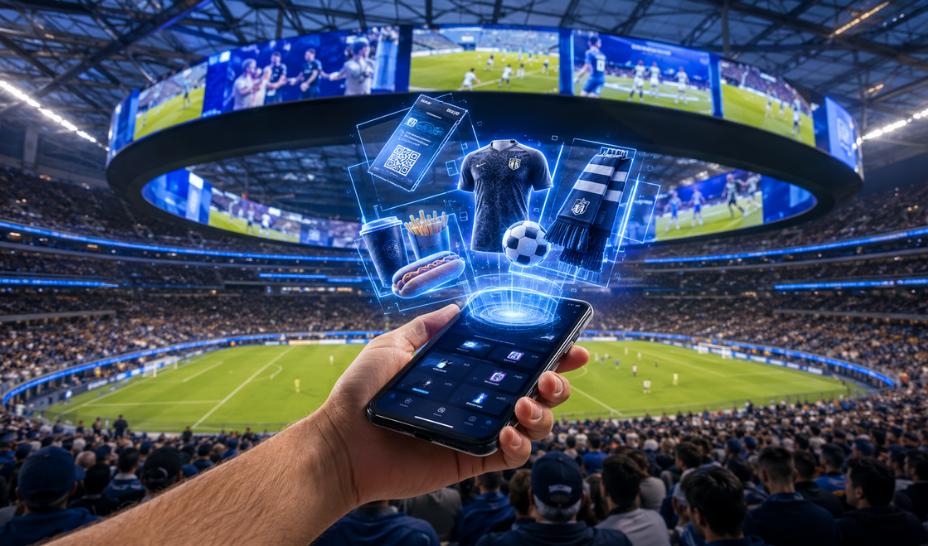
While most of us have experienced this year’s World Cup live on our televisions, via a morning web-search, or catching up on the highlights, the fans on the ground have experienced this competition in a very different way.
This is not only to say the experience of watching sport live is different than at home, which it is thanks to the added atmosphere and excitement, but it is also due to the technologies modern stadia have adopted to enhance the live experience – making it easier, seamless, and more enjoyable than before.
In this article, we look at examples of this tech and the European startups developing similar solutions closer to home.
High-speed connectivity
The foundation of the modern live sport experience. Without strong connectivity, fans cannot use mobile tickets, see instant replays, order food, share experience via social media, or use real-time venue services.
“Smart stadiums“, as they are known, are increasingly treated as connected environments where wireless infrastructure supports both fan engagement and venue operations.
Mercedes-Benz Stadium in Atlanta is one example of implementing this. The stadium says its technology ecosystem includes a “6G-ready Wi-Fi and cellular network, more than 5,000 miles of fibre, 2,000+ wireless access points and infrastructure designed to support simultaneous connectivity for 75,000 fans.”
Startups focused on this technology include Warsaw-based Microamp, who raised €6.5 million in June to develop resilient 5G mmWave and AI-RAN wireless infrastructure for private 5G and high-capacity venue connectivity.
AI-powered crowd management and digital twins
AI can help venues forecast crowd flows, optimise staffing, manage queues, improve security, and simulate stadium operations. Such is the case, for the 2026 FIFA World Cup Lenovo reportedly built digital twins of all 16 tournament stadiums to support security and logistics monitoring.
The AI-driven digital twins and real‑time analytics have been used to shift crowd management from reactive to proactive, enabling organisers monitor and predict crowd flows, identify bottlenecks, and coordinate security and services across all 16 stadiums being used for the tournament.
Startups working on related digital-twin and crowd‑analytics solutions include UK-based Dexory, which added €9.8 million to its Series C to deploy autonomous robots and an AI-powered digital‑twin platform that gives logistics operators real‑time operational visibility and is adjacent to stadium digital twins and venue‑flow optimisation.
Frictionless entry, payments and retail
Each of these redefine the fan experience by removing bottlenecks and reducing wait times across the venue. Technologies such as mobile ticketing, biometric access, cashless payments, self-service kiosks, app-based ordering, and checkout-free stores streamline every interaction.
Of course, these systems unlock new revenue potential for venues at the same time by increasing transaction speed, boosting per-capita spend, and generating richer data insights.
Lumen Field in Seattle, Washington, shows how frictionless entry, payments, and retail can work together in one venue. As per previous reports, the stadium has palm-based entry and payment at its a checkout-free concession stand plus and checkout-free retail in additional concession areas. In doing so, the stadium reduces lines and speeds up the fan experience.
In a similar vein, Amsterdam-based Silverflow raised €37 million in a Series B to expand its cloud-native payment infrastructure, with a focus on in-store payments and broader card-network support.
Immersive media
Modern stadiums are becoming media platforms, not just physical venues. Augmented reality, second-screen experiences, interactive screens and immersive displays are making live events more participatory and sponsor-friendly.
Los Angeles’ SoFi Stadium is the clearest example for giant LED and immersive in-bowl media. The stadium holds a 70,000-square-foot, dual-sided, 360-degree “Infinity Screen” – the largest of its kind as reported by Samsung at its unveiling in 2022.
While such a sized screen is certainly more immersive than regular screens on display in a stadium, there are companies developing tech which may point to how this area may progress in the future.
This may be the case for AlphaLum, based in Lausanne, Switzerland, who raised €3.6 million in seed funding for holographic display optics and sensing technologies used in Augmented Reality (AR), Mixed Reality (MR) and spatial computing smart glasses.
Personalised fan platforms and data-driven loyalty
The fan experience increasingly starts before arrival and continues after the event through apps, ticketing, content, commerce, loyalty, streaming and personalised offers.
“` PwC’s report characterizes digital fan engagement platforms as the gateway to fandom, seamlessly connecting tickets, media, and commerce. These platforms serve as the “front door” for fans, offering a holistic experience that encompasses various aspects of their engagement with the sports or entertainment industry.
One notable example of innovative stadium technology is Levi’s Stadium in San Francisco, developed in collaboration with PwC and the San Francisco 49ers. This stadium leverages a mobile app to provide AI-assisted way-finding, digital ticketing, parking solutions, payment options, concessions, and personalized fan content. This integration of technology enhances the overall fan experience and sets a high standard for stadium tech advancements.
In the realm of event personalization, Exhibitly, a startup based in Ghent, stands out. The company has secured €1.4 million in pre-seed funding and specializes in AI-driven event personalization. Exhibitly’s focus is on optimizing content, enhancing sponsor visibility, and improving attendee journeys through innovative technology solutions.
In summary, the evolution of digital fan engagement platforms and event personalization technologies is reshaping the way fans interact with their favorite teams and events. These advancements not only enhance the fan experience but also open up new opportunities for sponsors and event organizers to engage with their audiences in more meaningful ways. As the industry continues to embrace technology, the possibilities for personalized and immersive fan experiences are endless.









The Battle Over iPhone Driver’s Licenses: Florida and Rhode Island Stand Firm

How Smart is the AI-Powered Huawei Mate 10 – with EMUI 8.0?

Reviving the Legacy: Porsche Mission S Unveils Carrera GT-Inspired Gauge Cluster

Navigating the New Normal: Satya Nadella’s Journey in the Post-COVID World of Microsoft

Persona 4 Reborn: Unveiling Naoto Shirogane’s Return in New Trailer

Unveiling the Powerhouse: Xiaomi 18 Pro Max Global Leak Exposes Impressive Performance Features

Breaking News: Android U-Turn Officially Confirmed by Tech Advisor

Strategies for Building a Successful Home Services Franchise System: Driving Growth and Scalability

Apple and LG Unveil Game-Changing ‘Tap to Control’ HomeKit Features

EU Takes Action Against Instagram and Facebook for Violating Illegal Content Rules

Warning: Facebook Creators Face Monetization Loss for Stealing and Reposting Videos

Facebook’s New Look: A Blend of Instagram’s Style

Facebook Compliance: ICE-tracking Page Removed After US Government Intervention

Facebook and Instagram to Reduce Personalized Ads for European Users

InstaDub: Meta’s AI Translation Tool for Instagram Videos

Reclaim Your Account: Facebook and Instagram Launch New Hub for Account Recovery

Meta discontinues Messenger apps for Windows and macOS

Breaking Updates: Meta Connect 2025 Unveils Latest Developments
How Smart is the AI-Powered Huawei Mate 10 – with EMUI 8.0?

I used a 2012 Smartphone in 2018 – Here’s what happened.

How to send ANY file Anywhere!

NEW Oneplus 5T Sandstone White Unboxing – The Ultimate Oneplus 5T?

HUAWEI P20 – THE SMARTPHONE REVOLUTION IS HERE?

How OnePlus succeeded when they should have failed.

Samsung sent us THIS! #AD

Ulefone Power 3 – Quad Camera Smartphone that last 2 weeks!

EPIC Smartphone FAILS that people will never forget.
-
 Facebook12 months ago
EU Takes Action Against Instagram and Facebook for Violating Illegal Content Rules
-
 Facebook12 months ago
Warning: Facebook Creators Face Monetization Loss for Stealing and Reposting Videos
-
 Facebook10 months ago
Facebook’s New Look: A Blend of Instagram’s Style
-
 Facebook12 months ago
Facebook Compliance: ICE-tracking Page Removed After US Government Intervention
-
 Facebook10 months ago
Facebook and Instagram to Reduce Personalized Ads for European Users
-
 Facebook12 months ago
InstaDub: Meta’s AI Translation Tool for Instagram Videos
-
 Facebook10 months ago
Reclaim Your Account: Facebook and Instagram Launch New Hub for Account Recovery
-
 Apple12 months ago
Meta discontinues Messenger apps for Windows and macOS

Newsletter Signup
Subscribe to our weekly newsletter below and never miss the latest News or an exclusive offer.