
Tech News
The Strategic Partnership Between Fitbit Air and Google: A Game-Changer in Health Tech

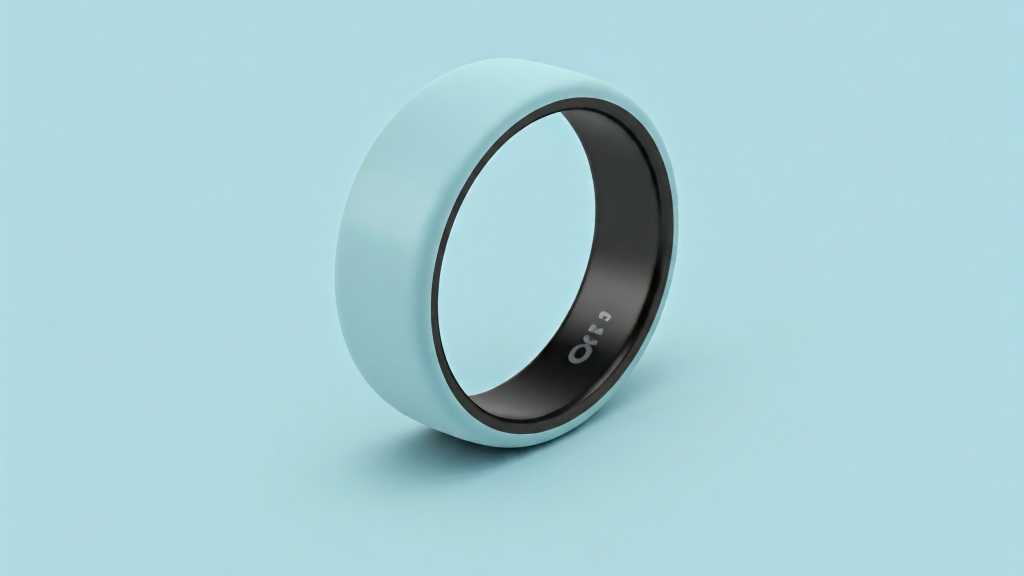
The Fitbit Air has made a huge impact in the wearable market, quickly selling out in many stores and starting a new trend of screen-free fitness tracker bands. Google has successfully entered this market with the Fitbit Air, offering a budget-friendly option at just £84.99/$99, making it more affordable than competitors like Whoop. Additionally, the Fitbit brand still holds significant influence, despite previous doubts about its future. With the success of the Fitbit Air, Google now has the perfect opportunity to expand its wearable offerings, potentially introducing a Fitbit smart ring.
For a long time, there have been hopes for a Google Pixel Ring, but repositioning it as a Fitbit Ring now seems more logical. Leveraging the popularity of the Fitbit brand and its association with fitness trackers, a Fitbit smart ring could be a hit in the market.
Utilizing the Fitbit Air Technology
With the Fitbit Air already on the market, Google could easily transfer the technology from the Air into a smart ring. This transition should be relatively straightforward for a company like Google, as smart rings typically consist of sensors, a battery, and wireless connectivity.
Google has all the necessary components; now, it just needs to incorporate them into a sleek and functional smart ring design.
Competitive Pricing Strategy
The affordable price point of the Fitbit Air has been a key factor in its success. Offering a Fitbit smart ring at a similar price would attract a large customer base. Competing with higher-priced options like the Oura Ring and Samsung Galaxy Ring, a budget-friendly Fitbit smart ring would likely outsell its competitors.
Furthermore, by encouraging users to subscribe to Google Health, the profit margin on these devices may not need to be as high, making them even more appealing to consumers.
Complementary Device
While some may argue that users of the Fitbit Air may not see the need for a smart ring, these devices can coexist and complement each other. The smart ring could provide additional data and functionality, enhancing the overall user experience.
Users could switch between the Fitbit Air and the smart ring based on their activities or preferences, allowing for a versatile and personalized approach to tracking health and fitness.
The Logic Behind a Fitbit Ring
A Fitbit Ring aligns perfectly with Google’s wearable lineup philosophy, focusing on data-first, screen-free solutions. By introducing an affordable smart ring, Google could fill a significant gap in the market and potentially drive more subscriptions to Google Health.
With the success of the Fitbit Air, a Fitbit Ring seems like the next logical step for Google in the wearable technology space. It’s a product that could appeal to a wide range of consumers, whether they already own a Fitbit Air or Pixel Watch, or are new to the wearable market.
Google, the opportunity for a Fitbit Ring is clear. Will you seize it?








Exclusive: Apple Website Leak Reveals iPad mini 8 Release

Unleashing Potential: Overcoming Limitations

Uncovering the Bystander Problem: Insights from a Former AWS Security Engineer on Amazon’s Bee AI Devices

Arizona Sunshine: Unleashing the Doggy Co-op Mode in January

International Collaboration: Surrey, Sheffield, and Melbourne Join Forces on £3.2m Project to Create Provably Secure Sandbox for AI Agents

Tech Advisor Announces Samsung Galaxy Phones Now Available on Google Play Store

Exploring the Boundaries of Physical AI: Insights from an Nvidia Veteran Turned Investor

The Latest Updates on Apple’s iPhone Duo

Google Unveils Revolutionary ‘Universal’ Online Shopping Cart for Seamless Shopping Experience

EU Takes Action Against Instagram and Facebook for Violating Illegal Content Rules

Warning: Facebook Creators Face Monetization Loss for Stealing and Reposting Videos

Facebook’s New Look: A Blend of Instagram’s Style

Facebook Compliance: ICE-tracking Page Removed After US Government Intervention

Facebook and Instagram to Reduce Personalized Ads for European Users

InstaDub: Meta’s AI Translation Tool for Instagram Videos

Reclaim Your Account: Facebook and Instagram Launch New Hub for Account Recovery

Meta discontinues Messenger apps for Windows and macOS

Breaking Updates: Meta Connect 2025 Unveils Latest Developments

Finally Fixing my Wi-Fi – Zyxel Multy X!

$25,000 Gaming Setup – EVOLUTION!

The Maze Alpha X is HERE!

Cool Tech under $100 – December!

MYSTERY UNBOXING FROM GOOGLE!

TOP 6 Smartphones from Companies you NEVER Expected!

A Surprise Smartphone from EE!

DOOGEE MIX 2 VS DOOGEE MIX 1!

INCREDIBLE Smartphone Gadgets on Amazon!
-
 Facebook12 months ago
EU Takes Action Against Instagram and Facebook for Violating Illegal Content Rules
-
 Facebook1 year ago
Warning: Facebook Creators Face Monetization Loss for Stealing and Reposting Videos
-
 Facebook10 months ago
Facebook’s New Look: A Blend of Instagram’s Style
-
 Facebook1 year ago
Facebook Compliance: ICE-tracking Page Removed After US Government Intervention
-
 Facebook10 months ago
Facebook and Instagram to Reduce Personalized Ads for European Users
-
 Facebook1 year ago
InstaDub: Meta’s AI Translation Tool for Instagram Videos
-
 Facebook11 months ago
Reclaim Your Account: Facebook and Instagram Launch New Hub for Account Recovery
-
 Apple12 months ago
Meta discontinues Messenger apps for Windows and macOS
