
Microsoft
Activists Challenge Microsoft CSO on Climate Commitments and AI Ethics at Disrupted Event

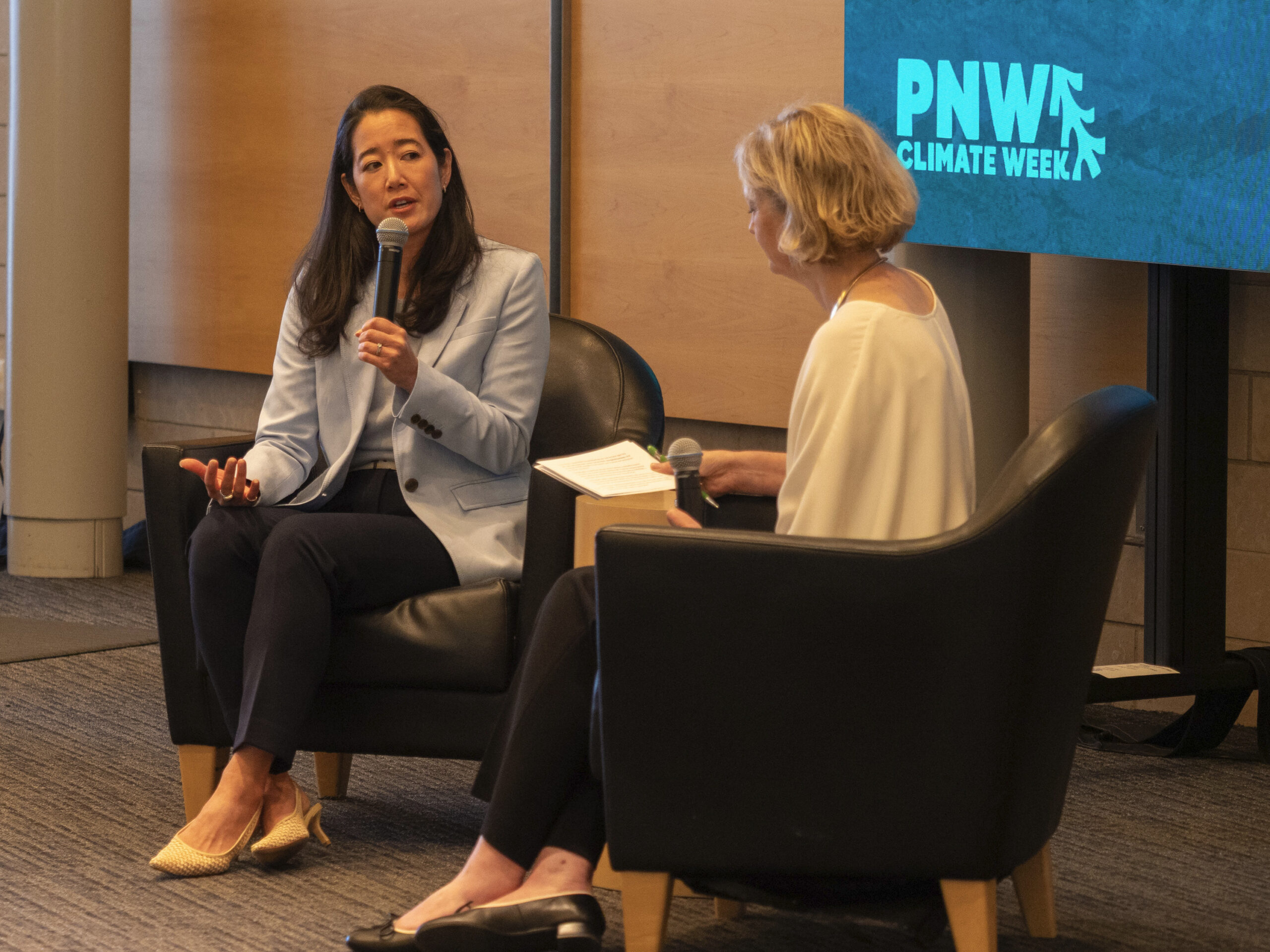
Microsoft Chief Sustainability Officer Faces Tough Questions at Pacific Northwest Climate Week
During a session at the Pacific Northwest Climate Week in Seattle, Microsoft Chief Sustainability Officer Melanie Nakagawa faced a series of challenging questions from the audience, particularly regarding the company’s use of fossil fuel energy sources to power its AI data centers and its commitment to climate goals.
GeekWire reporter Lisa Stiffler, who moderated the session, found herself addressing many of the same issues that the audience raised. The disruptions included protests from attendees, with some criticizing Microsoft’s technology deals with Israel in addition to its environmental practices.
Despite security guards intervening to remove some protesters, interruptions persisted throughout most of the session, which marked the conclusion of Pacific Northwest Climate Week.
Microsoft has long been recognized as a leader in corporate environmental initiatives, setting ambitious carbon-negative goals and implementing internal carbon taxes to fund climate-friendly projects. However, the company’s recent sustainability report revealed a 25% increase in its carbon footprint, moving it further away from its 2030 targets.

One protester questioned Microsoft’s partnership with Chevron to build a natural gas facility to power a data center in Texas, while another criticized the company’s focus on AI technology, claiming it contributes to climate destruction.
Nakagawa’s responses to these concerns were often drowned out by protesters, highlighting the public’s growing unease with Microsoft’s environmental practices.
Despite these challenges, Microsoft remains committed to its carbon-negative goal by 2030, implementing initiatives to reduce emissions and support sustainable practices, such as investing in lower-carbon devices and sustainable aviation fuel production.
The company’s transparency efforts, including sharing facility-level data on electricity and water usage, aim to foster open dialogue and accountability regarding its environmental impact.
While the road to achieving carbon negativity is daunting, Microsoft is determined to address its environmental footprint and work towards a more sustainable future.













HUGE Oneplus 5T Unboxing vs HUGE Oneplus 5 Unboxing – What’s actually changed?

Oneplus 5T vs Samsung Galaxy Note 8!

Samsung Galaxy Note 9 – These features will make it INSANE!

Oneplus 5T vs Pixel 2 XL vs S8 vs iPhone 8 Battery life Drain Test!

Oneplus 5T vs Pixel 2 XL vs S8 vs iPhone 8 Battery Charging Speed Test!

The Affordable Next-Gen Xbox: Debunking the $1,800 Price Tag

Revelation: A New Dawn in the Helldivers Universe

Battery Life Halved by Garmin’s New Voice Controls

Revolutionizing Energy: The Future of Next-Gen Battery Life

EU Takes Action Against Instagram and Facebook for Violating Illegal Content Rules

Warning: Facebook Creators Face Monetization Loss for Stealing and Reposting Videos

Facebook’s New Look: A Blend of Instagram’s Style

Facebook Compliance: ICE-tracking Page Removed After US Government Intervention

Facebook and Instagram to Reduce Personalized Ads for European Users

InstaDub: Meta’s AI Translation Tool for Instagram Videos

Reclaim Your Account: Facebook and Instagram Launch New Hub for Account Recovery

Meta discontinues Messenger apps for Windows and macOS

Breaking Updates: Meta Connect 2025 Unveils Latest Developments
HUGE Oneplus 5T Unboxing vs HUGE Oneplus 5 Unboxing – What’s actually changed?
Oneplus 5T vs Samsung Galaxy Note 8!
Samsung Galaxy Note 9 – These features will make it INSANE!
Oneplus 5T vs Pixel 2 XL vs S8 vs iPhone 8 Battery life Drain Test!
Oneplus 5T vs Pixel 2 XL vs S8 vs iPhone 8 Battery Charging Speed Test!

MY NEW CAR?! (Q&A)

Should you buy your Smartphones Refurbished!?

6 Amazing SECRET Android Launchers (2017 / 2018)

6 Value for Money Tech Products you NEED to try!
-
 Facebook1 year ago
EU Takes Action Against Instagram and Facebook for Violating Illegal Content Rules
-
 Facebook1 year ago
Warning: Facebook Creators Face Monetization Loss for Stealing and Reposting Videos
-
 Facebook11 months ago
Facebook’s New Look: A Blend of Instagram’s Style
-
 Facebook1 year ago
Facebook Compliance: ICE-tracking Page Removed After US Government Intervention
-
 Facebook11 months ago
Facebook and Instagram to Reduce Personalized Ads for European Users
-
 Facebook1 year ago
InstaDub: Meta’s AI Translation Tool for Instagram Videos
-
 Facebook11 months ago
Reclaim Your Account: Facebook and Instagram Launch New Hub for Account Recovery
-
 Apple1 year ago
Meta discontinues Messenger apps for Windows and macOS
