
Cars
The Eco-Friendly Evolution: How BMW iX5 Outshines X5 in Carbon Footprint Reduction

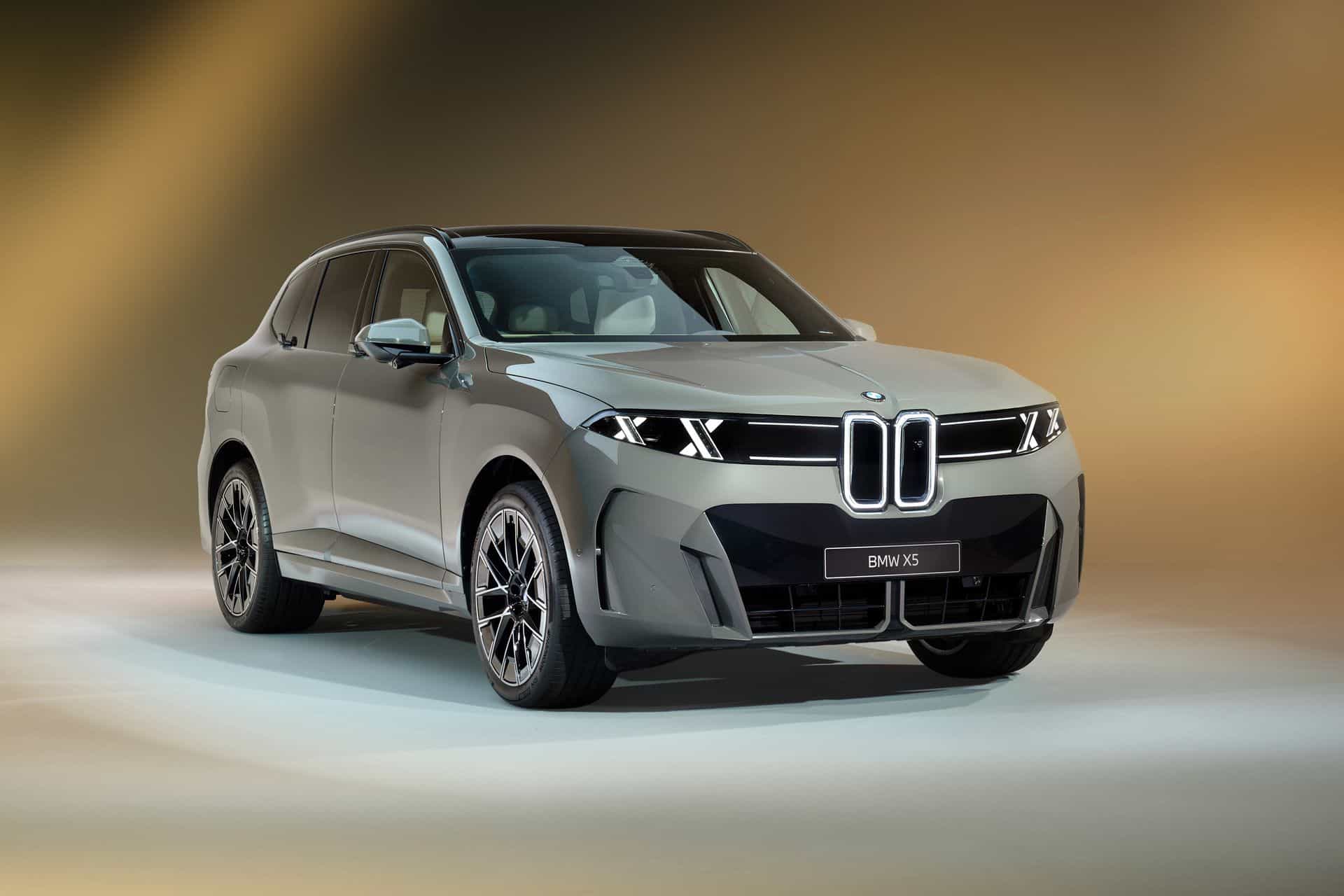
BMW iX5: A Sustainable Electric SUV
Article Summary
- BMW’s iX5 is projected to have a CO2 advantage over its combustion-engine counterpart, the X5, within two years.
- About one-third of the iX5’s weight is derived from secondary raw materials, totaling approximately 940 kilograms (2,072 pounds).
- The iX5 boasts the largest battery ever installed in a BMW vehicle, making it the heaviest model under the BMW badge.
It’s no secret that cars have a detrimental impact on the environment, especially during the production process. BMW, however, is taking significant steps to lessen the environmental footprint of its vehicles.
Prior to the iX3’s debut, BMW claimed it would surpass the traditional X3 in terms of CO2 emissions after 21,500 kilometers. With the introduction of the Neue Klasse SUV, this breakeven point can be reached in just 17,500 kilometers when exclusively charged with renewable energy. Now, BMW sets a similar target for the larger iX5.
According to BMW’s analysis, the iX5 is expected to outperform the X5 in terms of CO2 efficiency within one to two years, subject to annual mileage and the source of electricity used for charging. Essentially, driving more and charging with renewable energy accelerates the attainment of the CO2 breakeven point.
The iX5: Setting New Records
Specifically, the iX5 60 xDrive is highlighted as the heaviest electric variant within the “G65” lineup. Weighing 2,825 kilograms in European specification, it stands as BMW’s heaviest non-armored model to date. This weight is primarily attributed to the substantial 141-kWh battery.
Despite its mass, BMW has incorporated approximately 940 kg of secondary raw materials into the iX5, emphasizing sustainability. The company aims for owners to surpass the X5 in CO2 emissions within two years, based on their calculations.
While a 2.8-ton SUV may not single-handedly save the planet, BMW’s efforts to mitigate environmental impact are commendable. The optimistic scenario presents the iX5 achieving a CO2 advantage over the X5 within 24 months or sooner.
BMW’s environmental initiatives extend beyond new vehicle production, with a focus on reducing emissions from existing vehicles. The company advocates for HVO100 as a diesel alternative, derived from cooking oil and animal fats, potentially reducing emissions by up to 90%. Collaborating with Toyota, BMW is also exploring the use of Repsol’s Nexa 95 renewable fuel in Spain.
Ultimately, BMW’s commitment to sustainability underscores the importance of exploring diverse avenues to minimize environmental impact.













Friday Night Baseball Madness: iPhone 18 Pro Edition

Partnership Potential: JAC & Huawei in Talks to Produce Electric Maserati Vehicles

Grand Theft Auto VI: The Soundtrack – Limited Edition Physical Release

The Never-Ending Battle of the Galaxy S27 Ultra Camera: A Tech Advisor’s Perspective

Motorola Signature 27: Unveiled Specs and Vibrant Colour Options – Tech Advisor

Angle Health Soars to $2.7B Valuation: Y Combinator Insurance Tech Alum Makes Waves in Health Industry

Unveiling the Web’s ‘Doom Loop’: The Collaboration Between OpenAI and Microsoft

Enhanced Language Support in iOS and iPadOS 27: A Multilingual Experience

Huawei P20 Pro Unboxing!

EU Takes Action Against Instagram and Facebook for Violating Illegal Content Rules

Warning: Facebook Creators Face Monetization Loss for Stealing and Reposting Videos

Facebook’s New Look: A Blend of Instagram’s Style

Facebook Compliance: ICE-tracking Page Removed After US Government Intervention

Facebook and Instagram to Reduce Personalized Ads for European Users

InstaDub: Meta’s AI Translation Tool for Instagram Videos

Reclaim Your Account: Facebook and Instagram Launch New Hub for Account Recovery

Meta discontinues Messenger apps for Windows and macOS

Breaking Updates: Meta Connect 2025 Unveils Latest Developments
Huawei P20 Pro Unboxing!

Huawei P20 Pro vs Samsung S9 Plus!

Huawei P20 vs P20 Pro vs iPhone 8 Plus vs S9 Battery Drain Test!

10 Android Mods that Change Everything

I used the first Android Phone in the World.

DOOGEE MIX 4 UNBOXING (PROTOTYPE)!

MYSTERY UNBOXING FROM SAMSUNG!

The Truth about Huawei P20 Pro – REAL Review

How to Love your Android Phone again.
-
 Facebook11 months ago
EU Takes Action Against Instagram and Facebook for Violating Illegal Content Rules
-
 Facebook11 months ago
Warning: Facebook Creators Face Monetization Loss for Stealing and Reposting Videos
-
 Facebook9 months ago
Facebook’s New Look: A Blend of Instagram’s Style
-
 Facebook11 months ago
Facebook Compliance: ICE-tracking Page Removed After US Government Intervention
-
 Facebook9 months ago
Facebook and Instagram to Reduce Personalized Ads for European Users
-
 Facebook11 months ago
InstaDub: Meta’s AI Translation Tool for Instagram Videos
-
 Facebook10 months ago
Reclaim Your Account: Facebook and Instagram Launch New Hub for Account Recovery
-
 Apple11 months ago
Meta discontinues Messenger apps for Windows and macOS
