
Cars
German Performance Showdown: Mercedes AMG vs BMW M5

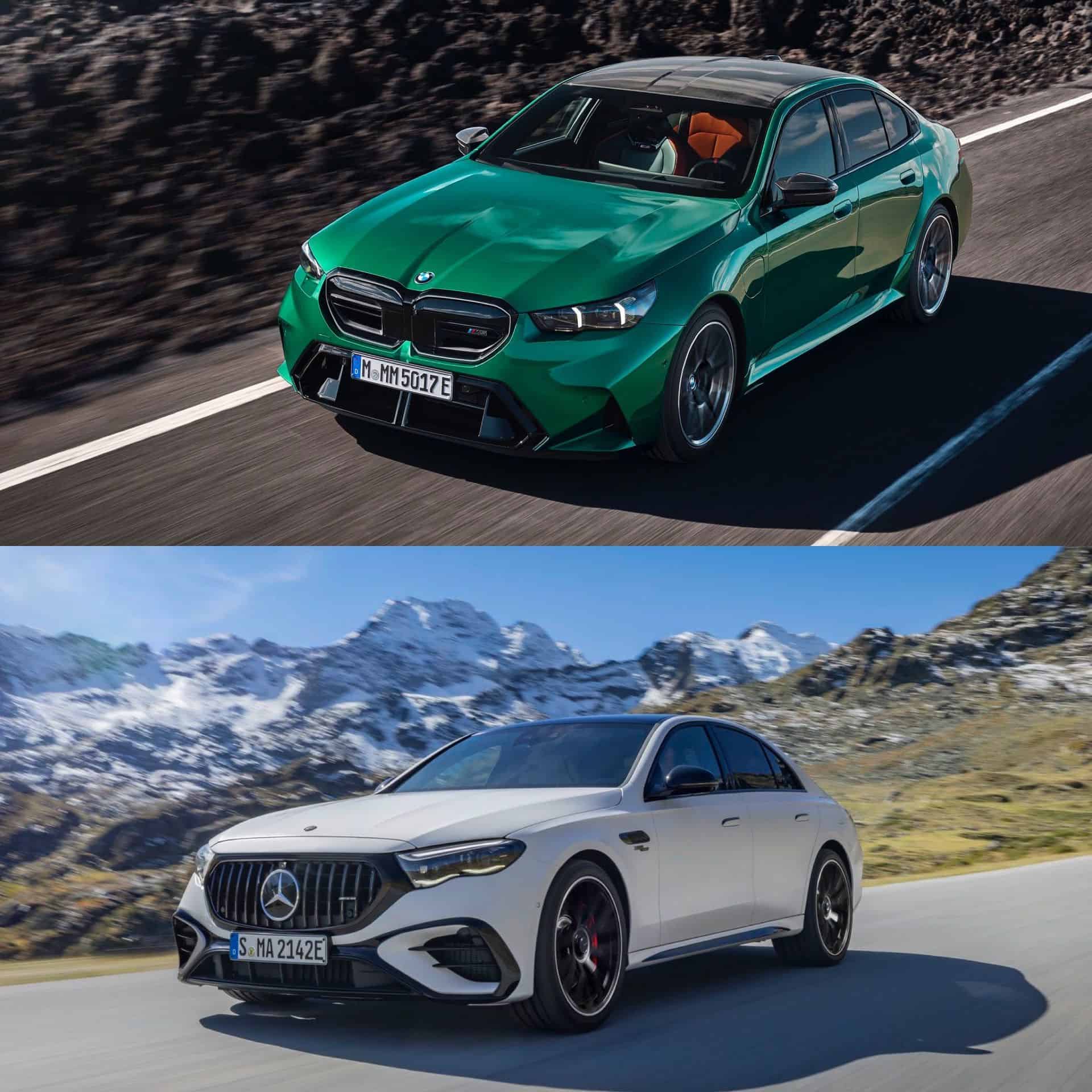
Mercedes-AMG Revives V8 Power for New Models by 2026
Article Summary
- Mercedes-AMG is set to introduce new V8 models before the end of 2026, starting with SUVs and eventually reaching the CLE 63 Coupe.
- The C-Class will no longer feature a V8 engine, transitioning to a six-cylinder AMG variant instead.
- Contrary to Mercedes, BMW retained its V8 engine and enhanced it with electrification, as seen in the G90 M5 generating 717 hp.
Mercedes-AMG is making a bold move by reintroducing V8 power to its lineup, with the arrival of new models expected before the end of 2026. CEO Michael Scheibe announced the division’s renewed focus on combustion engines, marking a shift from the recent trend of removing V8s from vehicles.
The rollout of the new V8 engines will begin with SUVs before expanding to cars. Notably, the C-Class will no longer offer an eight-cylinder option, as it transitions to a six-cylinder AMG version, signaling the end of compact Mercedes models with V8 power.
The upcoming engine is anticipated to be a high-performance iteration of the existing 4.0-liter turbo V8 found in models like the S-Class and GLS, currently producing 530 hp. The CLE 63 Coupe is slated to be the first recipient of this new powerplant, followed by a hardcore Mythos edition. Models like the GLE 63 S and GLS 63 already boast up to 603 hp from the same engine family, setting a benchmark for the rest of the lineup.
Previously, AMG had embraced downsizing with the introduction of a four-cylinder hybrid C63, which faced criticism from traditional AMG enthusiasts. The shift back to V8 power reflects a strategic realignment for the high-performance division.
BMW’s V8 Continuity
While Mercedes explored alternative powertrains, BMW maintained its V8 engine and integrated electrification to enhance performance. The G90 M5 exemplifies this approach, combining a 4.4-liter twin-turbo V8 with an electric motor to achieve 717 hp. BMW’s X5 M, X6 M, and X7 M60i continue to feature eight-cylinder powertrains, showcasing a different strategy compared to Mercedes.
For discerning buyers in this segment, the engine configuration plays a pivotal role in the decision-making process. The enduring presence of V8 engines in BMW’s lineup has distinguished the brand from Mercedes, which appeared to be moving away from this traditional power source.
It is conceivable that some AMG enthusiasts, dissatisfied with the shift to a four-cylinder hybrid C63, may have gravitated towards BMW’s offerings. The engine choice has a significant impact on buyer preferences and brand loyalty, underscoring the importance of powertrain options in the luxury performance segment.
Competition Reignites

With Mercedes-AMG’s V8 resurgence on the horizon, the focus shifts to a renewed rivalry between Mercedes and BMW in the high-performance segment. The upcoming matchups between models like the CLE 63 and M4, as well as a potential E63 revival against the G90 M5, are set to reignite competition between the two brands.
As Mercedes returns to V8 powertrains, the dynamics of the luxury performance market are poised to shift. The competition between AMG and BMW will provide enthusiasts with a compelling choice between pure combustion engines and hybrid-assisted powertrains, catering to diverse preferences within the segment.
Mercedes and BMW’s strategic decisions reflect a broader trend in the automotive industry, where performance brands are reevaluating their engine strategies in response to customer feedback and market demands. The next chapter in the Mercedes-BMW rivalry promises to deliver exciting developments for enthusiasts and consumers alike.











Unveiling the New Adventure Model

Enhanced Precision: The New Surface Mouse with Haptic Feedback and Customizable Action Button

Purdue and University of Illinois Join Forces to Enhance Semiconductor Industry Talent Pool

Unveiling the Secrets of ARC Raiders: Exploring Frozen Trails, Pendola Pass, Weapon Amplification, and Beyond

Samsung Galaxy S25: Unveiling Android 17 in September – Tech Advisor

Top Phones to Run Qualcomm Snapdragon 8 Elite Gen 6 – Tech Advisor’s Picks

Navigating Expansion: Essential Tips for European Founders Entering the US Market (Sponsored)

Unveiling iOS 27.2: Enhanced features, official release date, and much more

THE BEST PHONE HTC EVER MADE?

EU Takes Action Against Instagram and Facebook for Violating Illegal Content Rules

Warning: Facebook Creators Face Monetization Loss for Stealing and Reposting Videos

Facebook’s New Look: A Blend of Instagram’s Style

Facebook Compliance: ICE-tracking Page Removed After US Government Intervention

Facebook and Instagram to Reduce Personalized Ads for European Users

InstaDub: Meta’s AI Translation Tool for Instagram Videos

Reclaim Your Account: Facebook and Instagram Launch New Hub for Account Recovery

Meta discontinues Messenger apps for Windows and macOS

Breaking Updates: Meta Connect 2025 Unveils Latest Developments
THE BEST PHONE HTC EVER MADE?

The Truth about Google?

Samsung S9/ S9+ vs iPhone X vs Galaxy Note 8 Battery Life DRAIN TEST

Samsung S9 / S9+ vs Mate 10 Pro vs iPhone X Charging SPEED Test

The BEST APPS in 2018 – ft. MKBHD, UrAvgConsumer, iJustine + More

The ULTIMATE Smartphone Unboxing!!

HOW GOOD can a $250 Smartphone Camera be!?

10 Android Apps you NEED to try in 2018

They could not believe how cheap this Phone is
-
 Facebook11 months ago
EU Takes Action Against Instagram and Facebook for Violating Illegal Content Rules
-
 Facebook11 months ago
Warning: Facebook Creators Face Monetization Loss for Stealing and Reposting Videos
-
 Facebook10 months ago
Facebook’s New Look: A Blend of Instagram’s Style
-
 Facebook11 months ago
Facebook Compliance: ICE-tracking Page Removed After US Government Intervention
-
 Facebook10 months ago
Facebook and Instagram to Reduce Personalized Ads for European Users
-
 Facebook11 months ago
InstaDub: Meta’s AI Translation Tool for Instagram Videos
-
 Facebook10 months ago
Reclaim Your Account: Facebook and Instagram Launch New Hub for Account Recovery
-
 Apple11 months ago
Meta discontinues Messenger apps for Windows and macOS
