
Amazon
How to Improve the Effectiveness of Your Amazon Order Confirmation Emails

Amazon Customers Concerned About Changes to Order Confirmation Emails
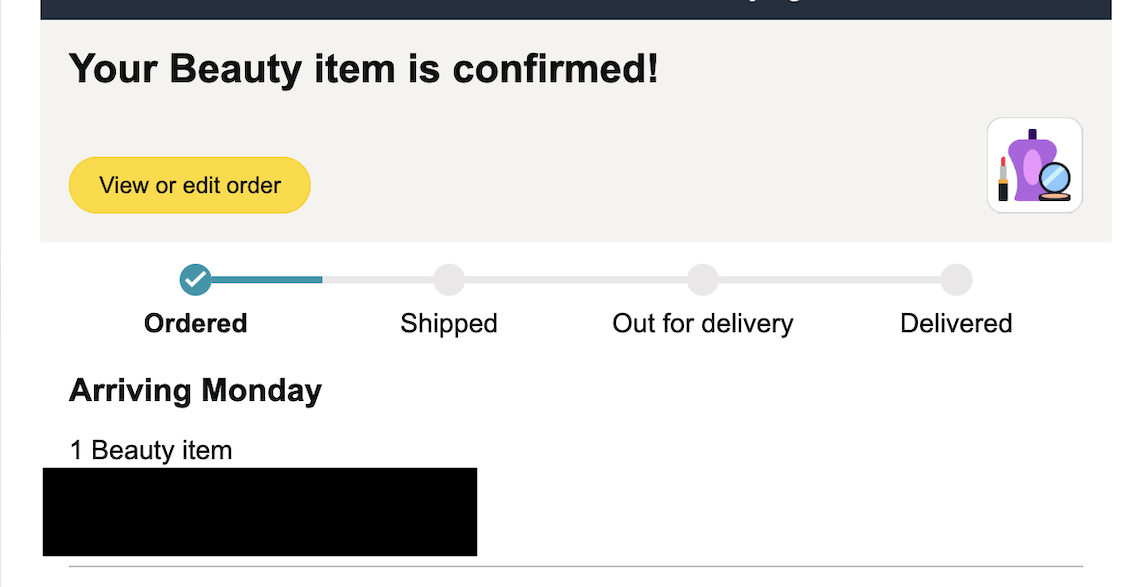
During the summer, Amazon customers noticed a change in their order confirmation emails. Previously, these emails would list specific items purchased, but now they only mention item categories, causing confusion among shoppers.
The dissatisfaction with the vague emails began in July, with orders placed in June still containing detailed information about purchased items. Some customers have expressed their frustration with Amazon’s new email format, stating that it makes it challenging to track their purchases and resembles spam or phishing attempts.
The shift towards this new email system may be attributed to the influence of AI technology.
Tech companies have been promoting the idea of AI agents assisting consumers in various tasks, including shopping. Google, with its vast product catalog, has already implemented AI-powered shopping features like Gemini Spark, which can gather information from a user’s emails to create personalized recommendations and itineraries. This trend towards AI-driven services raises concerns about user privacy and the extent to which individuals are willing to share personal data.
As consumers rely more on AI tools, service providers face a dilemma. If AI agents can efficiently handle tasks on behalf of users, there may be less incentive for customers to visit websites directly. Despite this, major retailers such as Walmart and Target have embraced AI-driven commerce features facilitated by Google, while Amazon has maintained a more guarded approach.
Amazon’s decision to simplify order-related emails and direct customers to their app and website for order details is seen as a move to enhance customer privacy and retain direct engagement with shoppers. By minimizing information shared externally, Amazon aims to ensure that customers interact primarily with their platform.
In essence, the changes in Amazon’s email format serve as a strategic response to the “DoorDash problem,” safeguarding valuable purchase information on their platforms and reinforcing customer loyalty. While this approach benefits the company, it may slightly inconvenience customers in accessing their order details.










The Ultimate BMW N62 V8 Engine Handbook: Troubleshooting, Performance Upgrades, and Durability

Black Salt Games Launches Team Trifold Studio, Unveiling Nothing Lost

Unlocking Your Phone Made Easy: How Android Users Can Use Their Google Account

Bixdo Glossonic Brush Pro: The Ultimate Electric Toothbrush for Whiter Teeth – A Tech Advisor Review

Virtual Me: Engage with My Interactive Avatar

5 Revolutionary Apple Products on the Horizon for 2026

10 Incredible Android DIY Hacks!

Cyberpunk 2077: The Endless Battle with Phantom Liberty’s Chimera Tank

Unlock the Power of Adobe Premiere with a Free App for Android Phones – Tech Advisor

EU Takes Action Against Instagram and Facebook for Violating Illegal Content Rules

Warning: Facebook Creators Face Monetization Loss for Stealing and Reposting Videos

Facebook’s New Look: A Blend of Instagram’s Style

Facebook Compliance: ICE-tracking Page Removed After US Government Intervention

Facebook and Instagram to Reduce Personalized Ads for European Users

InstaDub: Meta’s AI Translation Tool for Instagram Videos

Reclaim Your Account: Facebook and Instagram Launch New Hub for Account Recovery

Meta discontinues Messenger apps for Windows and macOS

Breaking Updates: Meta Connect 2025 Unveils Latest Developments
10 Incredible Android DIY Hacks!

Does a Cheap 2018 Smartphone beat a 2013 Flagship?

Samsung Galaxy S9 & S9+ UNBOXING!

Samsung Galaxy S9 Plus vs iPhone X

The BEST $300 Phone (2018) ft. MKBHD, Technical Guruji, iJustine + More

Samsung Galaxy S9 Plus Gaming Review! (vs OnePlus 5T)

THE BEST PHONE HTC EVER MADE?

The Truth about Google?

Samsung S9/ S9+ vs iPhone X vs Galaxy Note 8 Battery Life DRAIN TEST
-
 Facebook11 months ago
EU Takes Action Against Instagram and Facebook for Violating Illegal Content Rules
-
 Facebook12 months ago
Warning: Facebook Creators Face Monetization Loss for Stealing and Reposting Videos
-
 Facebook10 months ago
Facebook’s New Look: A Blend of Instagram’s Style
-
 Facebook12 months ago
Facebook Compliance: ICE-tracking Page Removed After US Government Intervention
-
 Facebook10 months ago
Facebook and Instagram to Reduce Personalized Ads for European Users
-
 Facebook12 months ago
InstaDub: Meta’s AI Translation Tool for Instagram Videos
-
 Facebook10 months ago
Reclaim Your Account: Facebook and Instagram Launch New Hub for Account Recovery
-
 Apple11 months ago
Meta discontinues Messenger apps for Windows and macOS
