
Startups
The Critical Role of Robust Digital Infrastructure in Driving Startup Innovation

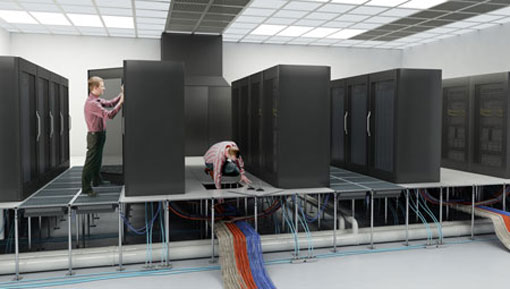
The world of startups often focuses on the visible aspects of success, such as new products, innovative features, funding announcements, and sudden spikes in user numbers. However, what often goes unnoticed is the critical role played by the digital infrastructure behind the scenes.
Digital startups rely on a complex web of infrastructure, including cloud platforms, servers, storage, networks, power systems, data centers, security tools, and supply chains. This infrastructure is essential for the smooth functioning of the company, yet it often goes unnoticed until something goes wrong.
In today’s digital age, a strong digital infrastructure is not just a support system for growth; it is a determining factor in how much growth a company can achieve.
The Importance of Invisible Infrastructure
Customers using digital products rarely think about the underlying infrastructure that powers these services. Good infrastructure is designed to be seamless and transparent, creating the impression that technology simply works without any hiccups.
However, the rise of artificial intelligence (AI) has made the connection between technology and infrastructure more apparent. AI systems require significant computing power, fast networking, reliable electricity, and advanced cooling systems, all of which fall under the umbrella of digital infrastructure.
While startups may not directly manage these infrastructure components, they are heavily reliant on the seamless functioning of the systems that support their digital services.
The Need for Speed in Startups
Speed is a critical advantage for startups, allowing them to quickly identify opportunities, build and test products, and pivot directions without bureaucratic hurdles. Infrastructure should complement this speed by enabling rapid deployment and scalability.
Cloud computing has revolutionized startup economics by eliminating the need for large upfront investments in computing hardware. Startups can now scale their resources based on demand, facilitating experimentation and growth without significant infrastructure costs.
However, moving quickly should not come at the expense of neglecting infrastructure. Neglecting infrastructure can lead to hidden problems that only surface when the startup experiences rapid growth.
Anticipating Growth Challenges
Startups often make compromises in the early stages to prioritize speed over perfecting their technology architecture. However, temporary solutions can become permanent liabilities as the company grows.
Issues such as capacity limitations, operational bottlenecks, and security vulnerabilities can arise if infrastructure is not designed to evolve with the organization. Managing technical debt becomes crucial as startups scale and expand their operations.
While infrastructure does not need to be flawless from the outset, it must have the flexibility to adapt and grow alongside the company’s needs.
The Impact of AI on Infrastructure
The advent of artificial intelligence has introduced new challenges for infrastructure, with AI-focused businesses requiring specialized computing resources such as GPUs. These resources are housed in data centers that demand extensive power, cooling, and connectivity infrastructure to support AI workloads.
As the AI economy expands, the need for scalable and reliable physical infrastructure becomes increasingly crucial. Startups developing AI products must understand and account for the underlying infrastructure that powers their services.
The Role of Cloud Computing
Cloud computing has revolutionized the concept of virtual infrastructure, but behind cloud services lie physical data centers filled with essential components like servers, networking equipment, cooling systems, and storage systems. Understanding the physical infrastructure behind cloud services is vital for startups relying on these platforms.
The recent challenges faced by server manufacturers due to infrastructure constraints highlight the continued importance of physical infrastructure in supporting digital services, especially in the AI sector.
The Significance of Reliability
As startups grow and gain more customers, the importance of infrastructure reliability becomes paramount. Downtime or disruptions can have severe consequences for customer trust, operational efficiency, and overall business performance.
Reliability not only safeguards against technical failures but also preserves the user experience and instills confidence in customers, investors, and regulators. Infrastructure reliability is a critical element of building and maintaining customer trust.
Managing Growth and Complexity
Startup infrastructure tends to become increasingly complex as the company expands and introduces new services and features. This complexity can lead to challenges in resource allocation, cost management, and operational efficiency.
Maintaining visibility and governance over infrastructure is essential to prevent operational risks and ensure scalability. Startups must regularly review and optimize their infrastructure to avoid unnecessary complexity and costs.
Experimentation is crucial for startups, but it should be accompanied by a cleanup process to eliminate outdated or inefficient infrastructure components.
The Impact of Physical Supply Chains
Behind every digital startup is a physical supply chain that supports the infrastructure required for its operations. Data centers, which form the backbone of digital services, rely on a wide range of components and equipment that are manufactured, transported, and installed through industrial supply chains.
As AI infrastructure investment grows, the demand for components beyond servers is also on the rise, highlighting the interconnected nature of digital and physical supply chains in supporting startup innovation.
The Empowering Role of Digital Infrastructure
While infrastructure spending is often viewed as a separate entity from innovation, a strong digital infrastructure is a catalyst for experimentation and growth within startups. Trustworthy deployment systems, scalable resources, and robust data management enable teams to take calculated risks and drive innovation.
For startups, infrastructure should not be a hindrance to change but a facilitator of controlled risk-taking. Room for experimentation is essential in the journey to finding product-market fit and sustaining long-term growth.
Aligning Infrastructure Decisions with Business Strategy
The technical decisions made by startups early on eventually converge with broader business strategies as the company evolves. Infrastructure choices impact margins, product velocity, security practices, and the organization’s ability to respond to new opportunities.
Understanding the interplay between infrastructure and business strategy is essential for startup founders and leadership teams to navigate growth and innovation effectively.
Planning for Scale and Resilience
While startups should build infrastructure based on current needs, they must also anticipate future growth and scalability challenges. Thinking ahead and identifying potential bottlenecks, security risks, and cost implications at scale can prevent infrastructure from becoming a limiting factor in the company’s success.
By balancing short-term needs with long-term vision, startups can build resilient infrastructure that supports innovation and growth without hindering agility.
Enabling Innovation through Robust Infrastructure
Innovation in startups is not just about groundbreaking ideas; it is also about the systems that underpin and enable those ideas to become reality. A robust digital infrastructure forms the foundation for turning innovative concepts into scalable, reliable products that meet the needs of a growing user base.
Every layer of infrastructure plays a crucial role in sustaining startup innovation, from processing requests to storing data, powering AI models, and ensuring seamless operations. By acknowledging the importance of infrastructure in the startup ecosystem, companies can leverage technology to drive sustainable growth and long-term success.












GrayKey Tool Outsmarts iPhone’s 72-Hour Inactivity Reboot

Unleashing Power: The Mercedes-AMG GT 63 Pro Hits Malaysian Roads at RM 2.09 million

Revised Game++: Conquering Bugs and Keeping Pants Intact

Power Players: Europe’s Top AI Influencers

Beware: The Secret iOS 27 Setting That’s Sapping Your Battery Life

Concept Smartphones that are better than Real Smartphones

Unwrapping the Power: A Digital Look at BMW’s Electric M3 Body Wrap

Shadow Ops: Covert Extraction

Mastering the Fundamentals of Business Auditing

EU Takes Action Against Instagram and Facebook for Violating Illegal Content Rules

Warning: Facebook Creators Face Monetization Loss for Stealing and Reposting Videos

Facebook’s New Look: A Blend of Instagram’s Style

Facebook Compliance: ICE-tracking Page Removed After US Government Intervention

Facebook and Instagram to Reduce Personalized Ads for European Users

InstaDub: Meta’s AI Translation Tool for Instagram Videos

Reclaim Your Account: Facebook and Instagram Launch New Hub for Account Recovery

Meta discontinues Messenger apps for Windows and macOS

Breaking Updates: Meta Connect 2025 Unveils Latest Developments
Concept Smartphones that are better than Real Smartphones

Samsung Galaxy SII Unboxing!

The SECRET to Maximise Smartphone Battery Life?

We Designed the Ultimate Gaming Smartphone of 2018!

Using the Cheapest Smartphone in the World.

Samsung Galaxy S9+ Unboxing! (Clone)

Unboxing the First Ever Samsung Galaxy S!!

Huawei P Smart – Huawei’s new Killer Budget Smartphone!

MYSTERY Package from Xiaomi – HUGE UNBOXING!
-
 Facebook11 months ago
EU Takes Action Against Instagram and Facebook for Violating Illegal Content Rules
-
 Facebook12 months ago
Warning: Facebook Creators Face Monetization Loss for Stealing and Reposting Videos
-
 Facebook10 months ago
Facebook’s New Look: A Blend of Instagram’s Style
-
 Facebook12 months ago
Facebook Compliance: ICE-tracking Page Removed After US Government Intervention
-
 Facebook10 months ago
Facebook and Instagram to Reduce Personalized Ads for European Users
-
 Facebook12 months ago
InstaDub: Meta’s AI Translation Tool for Instagram Videos
-
 Facebook10 months ago
Reclaim Your Account: Facebook and Instagram Launch New Hub for Account Recovery
-
 Apple12 months ago
Meta discontinues Messenger apps for Windows and macOS
