The Rise of OAuth Exploitation
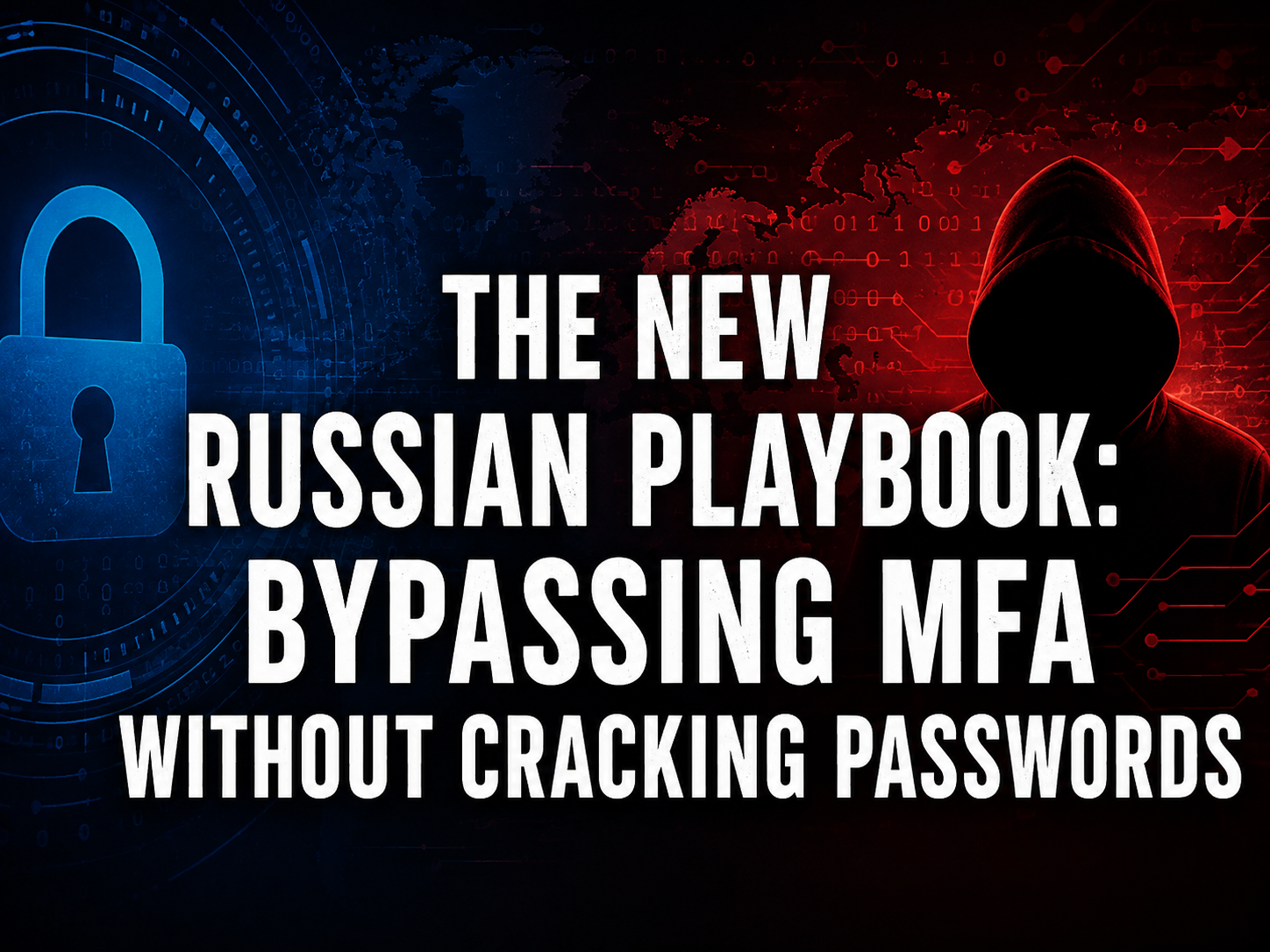
In the realm of cybersecurity, Russian threat actors are gradually shifting their focus from conventional password theft methods to leveraging legitimate platform features such as OAuth permissions. Notably, groups like UNC6293 and UNC7005 are adopting a strategic approach by establishing trust with their targets, often posing as conference organizers or researchers over an extended period. By building rapport, they guide individuals in government, defense, and academia through standard OAuth authorization flows. Through subtle persuasion, victims are encouraged to provide verification codes or complete authentic OAuth authentication processes, enabling the attackers to obtain crucial authentication material that could potentially grant them access to the victim’s account without requiring the password.
Exploiting WhatsApp Device Pairing
This exploitative tactic extends to messaging platforms, where adversaries exploit WhatsApp’s device-pairing functionalities to infiltrate personal conversations. Threat actors craft deceptive landing pages resembling secure meeting invitations or document sharing platforms. When a target interacts with the site, a legitimate device-linking request is triggered, displaying a valid QR or numeric code. Upon scanning or approving the code, the target unwittingly links their account to a device controlled by the attacker. Subsequently, operators can clandestinely monitor messages, pilfer confidential data, and utilize the compromised identity to communicate with other potential targets.
Insights from the Author
Referencing a recent publication by Roncone, G., & Shields, W. on August 20, 2026, titled “Distinct Clusters Target Individuals of Interest to Russia” from the Google Cloud Blog, sheds light on the sophisticated tactics employed by threat actors. For more information, visit: Distinct Clusters Target Individuals of Interest to Russia.
 Carmen Estela, a distinguished Cybersecurity Research Analyst at Cyber Defense Magazine and a nominee for the Women in Cybersecurity Award, possesses a Master of Science degree from the University of Central Florida and a Bachelor’s degree in Criminology from the University of Florida. With certifications in Data Analytics and AI Fundamentals, Carmen actively participates in renowned industry events such as BSides Orlando and BSides Jax, sharing her insights on emerging cyber trends. Committed to enhancing governance, risk, and compliance standards within the cybersecurity domain, Carmen’s diverse background includes roles as an adult protective investigator, police dispatcher, and legal intern, showcasing her investigative prowess across various sectors.
Contact Carmen Estela at [email protected] for further inquiries or collaborations.