
Startups
From Concept to Creation: The Power of Rapid Prototyping in Product Development

The Benefits of Prototyping in Product Development
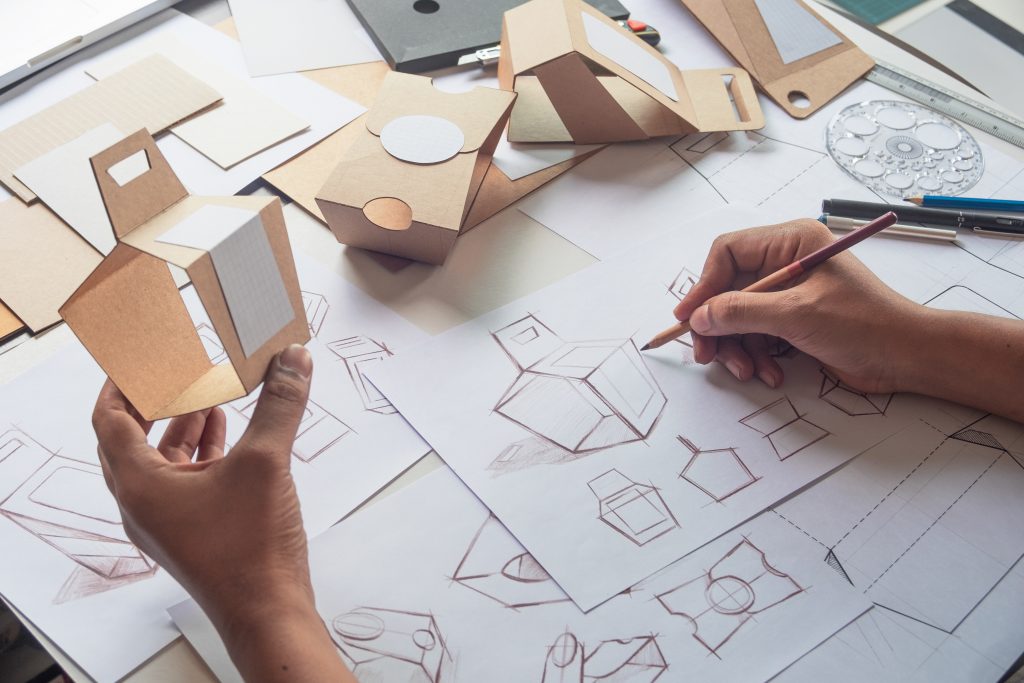
Prototyping is a crucial step in product development that allows ideas to be transformed into tangible, testable items. Unlike a simple drawing, a prototype provides valuable insights into the size, weight, shape, and feel of a product. This early stage in the development process enables teams to uncover and address design and manufacturing issues before significant resources are invested.
Uncovering Hidden Problems with Physical Models
Physical models play a key role in revealing potential issues such as inaccessible buttons, sticky lids, or confusing features. By having a physical representation of the product, teams can have meaningful discussions about its functionality and aesthetics based on observable behavior rather than subjective preferences. Addressing these issues early on makes it easier to make informed decisions and implement effective solutions.
Choosing the Right Prototype for Your Project
Prototypes come in various forms, each serving a specific purpose depending on the project’s discipline and stage. From form models that focus on size and proportion to pre-production models that explore materials and manufacturing processes, selecting the appropriate type of prototype is crucial for successful product development.
- Form models emphasize size, proportion, shape, and balance.
- Functional models test connections, fit, movement, and basic usage.
- Testing products surface ergonomics and other usability issues.
- Pre-production models address material behavior and assembly challenges.
The Importance of Iterative Development
Successful products are the result of an iterative process that involves continuous testing, learning, and refining prototypes. By making incremental changes based on real-world feedback, teams can address design assumptions and challenges early on, leading to more efficient product development.
Key Considerations for Product Testing
Product testing is essential for identifying and resolving issues such as weak joints, poor fits, and usability challenges. By testing prototypes in a realistic manner and documenting results thoroughly, teams can ensure that the final product meets quality standards and user expectations.
Transitioning from Design to Manufacturing
Once a design has been validated through prototyping, the focus shifts to manufacturing considerations such as production processes, materials, and quality control. By addressing these factors early on, teams can streamline the manufacturing process and ensure the final product meets all requirements.
In conclusion, prototyping is a valuable tool in product development that enables teams to uncover hidden issues, make informed decisions, and ultimately create successful products. By prioritizing iterative development, thorough testing, and seamless transition to manufacturing, companies can ensure that their products meet high standards of quality and functionality.












Advancing GWM’s ADAS Technology for the Australian Market

Tokyo Drift: Crazy Taxi Takes on Japan in World Tour Expansion

Exciting News: Samsung Galaxy Phones Set to Receive One UI 9 Update

From Concept to Creation: The Power of Rapid Prototyping in Product Development

Empowering Agents: Fulcra’s Universal Multiplayer Experience

Apple Unveils Groundbreaking iOS 27.2 Developer Beta for iPhone

Huawei P20 Pro vs Samsung S9 Plus!

McLaren P34 to Replace Artura in 2028: A New Era Begins

Microsoft AI CEO Warns of Real AI Threats: Anthropic’s Role in Escalating Danger

EU Takes Action Against Instagram and Facebook for Violating Illegal Content Rules

Warning: Facebook Creators Face Monetization Loss for Stealing and Reposting Videos

Facebook Compliance: ICE-tracking Page Removed After US Government Intervention

Facebook’s New Look: A Blend of Instagram’s Style

Facebook and Instagram to Reduce Personalized Ads for European Users

InstaDub: Meta’s AI Translation Tool for Instagram Videos

Reclaim Your Account: Facebook and Instagram Launch New Hub for Account Recovery

Meta discontinues Messenger apps for Windows and macOS

Breaking Updates: Meta Connect 2025 Unveils Latest Developments
Huawei P20 Pro vs Samsung S9 Plus!

Huawei P20 vs P20 Pro vs iPhone 8 Plus vs S9 Battery Drain Test!

10 Android Mods that Change Everything

I used the first Android Phone in the World.

DOOGEE MIX 4 UNBOXING (PROTOTYPE)!

MYSTERY UNBOXING FROM SAMSUNG!

The Truth about Huawei P20 Pro – REAL Review

How to Love your Android Phone again.

The LG G7 has a Big Problem.
-
 Facebook11 months ago
EU Takes Action Against Instagram and Facebook for Violating Illegal Content Rules
-
 Facebook11 months ago
Warning: Facebook Creators Face Monetization Loss for Stealing and Reposting Videos
-
 Facebook11 months ago
Facebook Compliance: ICE-tracking Page Removed After US Government Intervention
-
 Facebook9 months ago
Facebook’s New Look: A Blend of Instagram’s Style
-
 Facebook9 months ago
Facebook and Instagram to Reduce Personalized Ads for European Users
-
 Facebook11 months ago
InstaDub: Meta’s AI Translation Tool for Instagram Videos
-
 Facebook10 months ago
Reclaim Your Account: Facebook and Instagram Launch New Hub for Account Recovery
-
 Apple11 months ago
Meta discontinues Messenger apps for Windows and macOS
