
Cars
The Ultimate BMW N62 V8 Engine Handbook: Troubleshooting, Performance Upgrades, and Durability

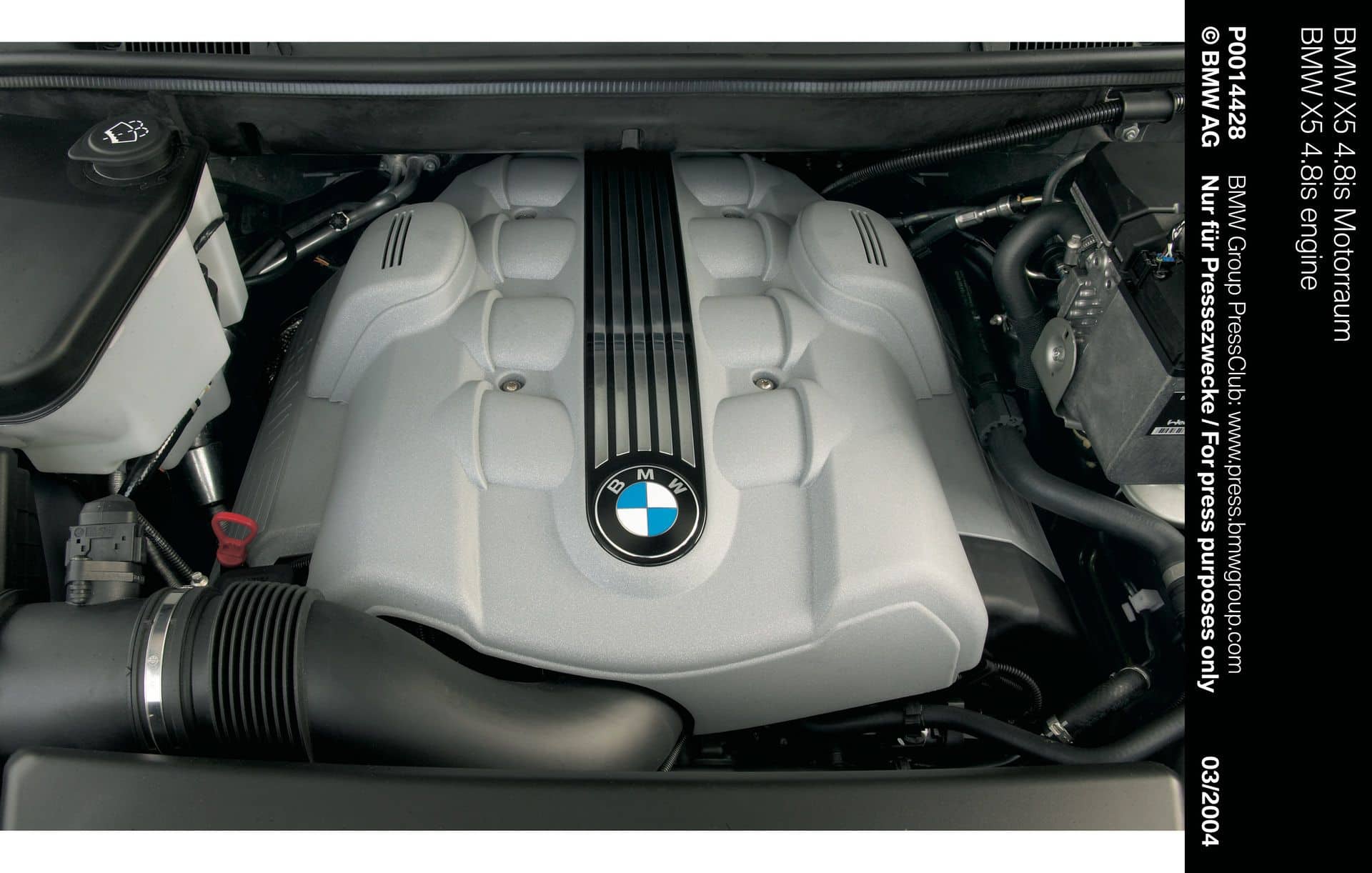
A Comprehensive Look at the BMW N62 Engine
The BMW N62 engine, introduced in 2001, marked a significant advancement in BMW’s V8 technology. This clean-sheet 90-degree V8 boasted innovative features like Valvetronic variable valve lift, double VANOS, and a unique variable-length intake manifold. Despite its accolades, the N62 has become infamous for specific costly repairs, including valve stem seals, alternator bracket gasket, and coolant transfer pipe issues. This article delves into the engine’s history, applications, design, reliability, efficiency, tuning options, pros, and cons.
History and Development
The N62 engine debuted in the 2001 E65 7 Series and featured cutting-edge technologies like Valvetronic and double VANOS. It garnered praise and awards for its engineering excellence but later became known for common repair issues such as failing valve stem seals, alternator bracket gasket leaks, and coolant transfer pipe failures.
Engine Specifications
The N62 engine lineup included variants like the N62B36, N62B40, N62B44, and N62B48, offering different power outputs and displacements. The 4.8-liter N62TU engine, introduced in 2006, addressed some of the original design’s weaknesses by eliminating the secondary air injection system and updating various components.
Applications
The N62 engine powered various BMW models, including the 5 Series, 6 Series, 7 Series, and X5. It also found its way into Morgan’s Aero models, Wiesmann’s MF4, and ALPINA’s high-performance vehicles. The engine’s versatility and power delivery made it a popular choice among luxury car enthusiasts.
Reliability and Common Issues
While the N62 engine showcased impressive performance, it was plagued by reliability issues like valve stem seal leaks, alternator bracket gasket failures, and coolant transfer pipe problems. Regular maintenance and proactive repairs are essential to keep the engine running smoothly and avoid costly repairs down the line.
Efficiency and Tuning
The N62 engine’s Valvetronic technology aimed to improve fuel efficiency by reducing pumping losses. However, real-world fuel economy varied depending on driving conditions. Tuning options for the N62 were limited, with most aftermarket upgrades offering modest power gains. Supercharger kits were available for those seeking significant performance boosts.
Pros and Cons
The N62 engine’s all-aluminum construction, smooth power delivery, and linear response were its standout features. However, its high maintenance costs, limited tuning potential, and poor fuel economy were major drawbacks. Buyers should consider the engine’s repair history and maintenance records before purchasing a vehicle equipped with the N62.
Verdict
As an engineering marvel, the BMW N62 engine deserves recognition for its technological advancements and performance capabilities. However, potential buyers should proceed with caution and ensure proper maintenance to avoid costly repairs associated with common issues like valve stem seal leaks and gasket failures.












The Ultimate BMW N62 V8 Engine Handbook: Troubleshooting, Performance Upgrades, and Durability

Black Salt Games Launches Team Trifold Studio, Unveiling Nothing Lost

Unlocking Your Phone Made Easy: How Android Users Can Use Their Google Account

Bixdo Glossonic Brush Pro: The Ultimate Electric Toothbrush for Whiter Teeth – A Tech Advisor Review

Virtual Me: Engage with My Interactive Avatar

5 Revolutionary Apple Products on the Horizon for 2026

10 Incredible Android DIY Hacks!

Cyberpunk 2077: The Endless Battle with Phantom Liberty’s Chimera Tank

Unlock the Power of Adobe Premiere with a Free App for Android Phones – Tech Advisor

EU Takes Action Against Instagram and Facebook for Violating Illegal Content Rules

Warning: Facebook Creators Face Monetization Loss for Stealing and Reposting Videos

Facebook’s New Look: A Blend of Instagram’s Style

Facebook Compliance: ICE-tracking Page Removed After US Government Intervention

Facebook and Instagram to Reduce Personalized Ads for European Users

InstaDub: Meta’s AI Translation Tool for Instagram Videos

Reclaim Your Account: Facebook and Instagram Launch New Hub for Account Recovery

Meta discontinues Messenger apps for Windows and macOS

Breaking Updates: Meta Connect 2025 Unveils Latest Developments
10 Incredible Android DIY Hacks!

Does a Cheap 2018 Smartphone beat a 2013 Flagship?

Samsung Galaxy S9 & S9+ UNBOXING!

Samsung Galaxy S9 Plus vs iPhone X

The BEST $300 Phone (2018) ft. MKBHD, Technical Guruji, iJustine + More

Samsung Galaxy S9 Plus Gaming Review! (vs OnePlus 5T)

THE BEST PHONE HTC EVER MADE?

The Truth about Google?

Samsung S9/ S9+ vs iPhone X vs Galaxy Note 8 Battery Life DRAIN TEST
-
 Facebook11 months ago
EU Takes Action Against Instagram and Facebook for Violating Illegal Content Rules
-
 Facebook12 months ago
Warning: Facebook Creators Face Monetization Loss for Stealing and Reposting Videos
-
 Facebook10 months ago
Facebook’s New Look: A Blend of Instagram’s Style
-
 Facebook12 months ago
Facebook Compliance: ICE-tracking Page Removed After US Government Intervention
-
 Facebook10 months ago
Facebook and Instagram to Reduce Personalized Ads for European Users
-
 Facebook12 months ago
InstaDub: Meta’s AI Translation Tool for Instagram Videos
-
 Facebook10 months ago
Reclaim Your Account: Facebook and Instagram Launch New Hub for Account Recovery
-
 Apple11 months ago
Meta discontinues Messenger apps for Windows and macOS
