
Inovation
Building a Sustainable Future: Actionable Recommendations from the European Parliament

Empowering Young Consumers: The Need for Consumer Education in European School Curricula
As the world becomes increasingly digital and interconnected, the importance of equipping young people with the knowledge and skills to make informed consumer decisions cannot be overstated. Tiziana Toto, Head of National Consumer Policies, and Mariano Votta, Responsible for EU Affairs at Cittadinanzattiva APS, recently discussed recommendations to embed consumer education in European school curricula.
One of the key recommendations is to integrate consumer rights into existing civic education, digital skills, sustainability, and financial literacy programmes. This integration should go beyond short-term projects by securing multi-annual funding and providing accredited teacher training. Additionally, establishing a common European framework for consumer competences, aligned with DigComp and GreenComp, is crucial. Recognizing civic associations, such as student organizations and consumer groups, as strategic educational partners can bring real-world case studies and methodological support into classrooms.
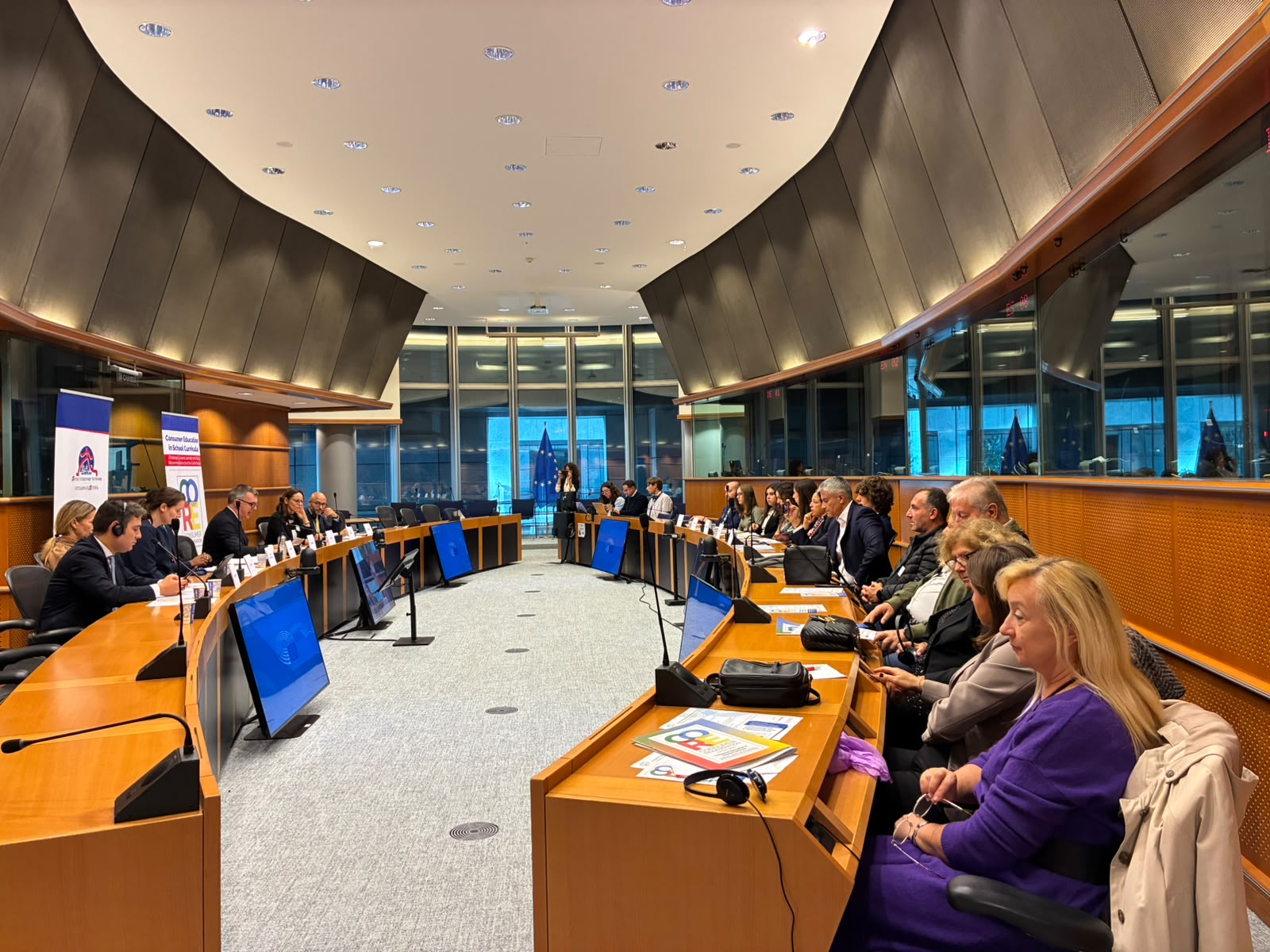
These recommendations were presented at the European Parliament during the event “Consumer Education in School Curricula: Challenges, Lessons Learned and Policy Recommendations.”
Cinzia Pollio, Project Coordination for Consumer Policies at Cittadinanzattiva, emphasized the need for ongoing consumer literacy education to complement regulations aimed at protecting minors online. Regulation alone is not sufficient to foster resilient digital citizens and responsible consumers.
The event marked the final milestone of the CoRe project, co-funded by the European Union through the Single Market Programme. The project, coordinated by Cittadinanzattiva in partnership with consumer associations EEKE (Greece) and InfoCons (Romania), aimed to promote consumer education in schools.
The Position Paper presented during the event highlighted the results of the Italian pilot program, which demonstrated the effectiveness of a practical, participatory approach to consumer education. The pilot showed an increase in knowledge of consumer rights and digital risks among teachers, students, and parents. It also highlighted the importance of engaging students in understanding their rights and responsibilities as consumers.
Testimonies from the School Community
Teachers and students involved in the project shared their perspectives on the impact of consumer education in schools. They emphasized the importance of integrating consumer education into school curricula to help students become responsible, conscious citizens.
Representatives from the European Commission, the European Consumer Union, and the communications sector stressed the significance of digital literacy in protecting young consumers. They highlighted the need for educational initiatives tailored to specific needs and emphasized the role of education in complementing regulatory measures.
Advocating for Long-Term Educational Partnerships
Carmelo Benenti, President of the European Consumer Union, called for consumer associations to be recognized as long-term educational partners. He emphasized the importance of funding programmes that promote consumer education and advocated for including a stable funding line for consumer education in future policy decisions.
For more information on the Position Paper and CoRe project materials, visit the Cittadinanzattiva website.













BMW Unlocks Greater Range for i7 Model Through Innovative Technology

Modern Warfare 4: The Final Chapter and the Birth of a New COD Legacy

Enhanced Sleep Tracking for Samsung Health: Galaxy Watch, Fit, and Ring Upgrade

Building a Sustainable Future: Actionable Recommendations from the European Parliament

Exploring the Superior Camera Quality of the Oppo Find X10 Pro Max: First Impressions from Tech Advisor

Strategies for Reducing Customer Acquisition Costs While Maintaining Lead Quality

Preorder the iPhone Duo for $1,999 and Experience the Ultimate Mobile Duo

Enhancing Google’s AI Responses with Prominent Inline Links

Uncommon ‘Hatfield’ Apple-1 Sets New Auction Record with $1.15M Sale

EU Takes Action Against Instagram and Facebook for Violating Illegal Content Rules

Warning: Facebook Creators Face Monetization Loss for Stealing and Reposting Videos

Facebook’s New Look: A Blend of Instagram’s Style

Facebook Compliance: ICE-tracking Page Removed After US Government Intervention

Facebook and Instagram to Reduce Personalized Ads for European Users

InstaDub: Meta’s AI Translation Tool for Instagram Videos

Reclaim Your Account: Facebook and Instagram Launch New Hub for Account Recovery

Meta discontinues Messenger apps for Windows and macOS

Breaking Updates: Meta Connect 2025 Unveils Latest Developments

$25,000 Gaming Setup – EVOLUTION!

The Maze Alpha X is HERE!

Cool Tech under $100 – December!

MYSTERY UNBOXING FROM GOOGLE!

TOP 6 Smartphones from Companies you NEVER Expected!

A Surprise Smartphone from EE!

DOOGEE MIX 2 VS DOOGEE MIX 1!

INCREDIBLE Smartphone Gadgets on Amazon!

10 Android Apps you NEED to try in 2017 / 2018
-
 Facebook12 months ago
EU Takes Action Against Instagram and Facebook for Violating Illegal Content Rules
-
 Facebook1 year ago
Warning: Facebook Creators Face Monetization Loss for Stealing and Reposting Videos
-
 Facebook10 months ago
Facebook’s New Look: A Blend of Instagram’s Style
-
 Facebook1 year ago
Facebook Compliance: ICE-tracking Page Removed After US Government Intervention
-
 Facebook10 months ago
Facebook and Instagram to Reduce Personalized Ads for European Users
-
 Facebook1 year ago
InstaDub: Meta’s AI Translation Tool for Instagram Videos
-
 Facebook10 months ago
Reclaim Your Account: Facebook and Instagram Launch New Hub for Account Recovery
-
 Apple12 months ago
Meta discontinues Messenger apps for Windows and macOS
