
Video Games
Game Devs Fearful of Copycats: A New Era of GenAI Gloom


The Concerns Behind Drunken Goddess Reflux’s Canceled Public Demo
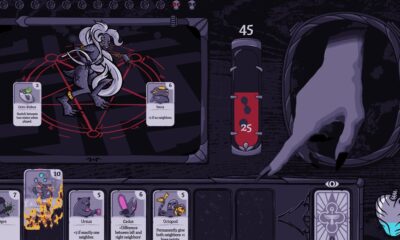
One emerging trend in the gaming industry is developers pulling public demos due to fears of game cloning using generative AI technology. This is the case with Drunken Goddess Reflux, a unique drinking game created by Alliance Arts.
For those unfamiliar with Drunken Goddess Reflux, the game involves trying to make a bouncy and buxom demon throw up before she consumes your soul. However, despite its intriguing concept, the developers recently made the decision to cancel a planned public demo scheduled for October 19th.
Alliance Arts took to Twitter to announce the cancellation, citing concerns over the potential misuse of the demo’s content. They expressed worries about the possibility of AI-generated clones of their game being released before the official launch.
The decision to cancel the public demo was influenced by two main factors. Firstly, the developers realized that they lacked the resources to effectively manage restrictions on gameplay videos and streams. Secondly, they were apprehensive about the risk of their game being replicated using AI or other tools.
It’s worth noting that the mention of AI as a potential threat to game development has become a common marketing tactic in the industry. However, the developers genuinely believe that their game’s content could be at risk of being copied before they have the chance to officially release it.
While the act of copying games is not new, the rise of AI-generated clones has become a growing concern for developers. Recent incidents, such as a viral needle-in-haystack game attracting numerous imitators, highlight the challenges faced by original creators in a rapidly evolving digital landscape.
Some developers have even experienced their projects being copied and released ahead of their own launch dates. For instance, a clone of the Japanese game Typing Magician was created using generative AI technology, based on progress videos of the original game.
This trend of rapid game cloning through AI tools may discourage developers from sharing their work openly, ultimately hindering creative collaboration within the industry. As such, it is crucial for developers to protect their intellectual property and innovative ideas from being exploited by unauthorized imitators.












The Uncertainty of Owning a Tesla Roadster: Why a $250k Reservation Doesn’t Guarantee a Purchase

Game Devs Fearful of Copycats: A New Era of GenAI Gloom

Embracing the Mundane: Finding Beauty in the Ordinary Unicorn

Apple’s Strict Guidelines: Crackdown on Nudify AI Apps

Exclusive: Apple Website Leak Reveals iPad mini 8 Release

Unleashing Potential: Overcoming Limitations

Uncovering the Bystander Problem: Insights from a Former AWS Security Engineer on Amazon’s Bee AI Devices

Arizona Sunshine: Unleashing the Doggy Co-op Mode in January

International Collaboration: Surrey, Sheffield, and Melbourne Join Forces on £3.2m Project to Create Provably Secure Sandbox for AI Agents

EU Takes Action Against Instagram and Facebook for Violating Illegal Content Rules

Warning: Facebook Creators Face Monetization Loss for Stealing and Reposting Videos

Facebook’s New Look: A Blend of Instagram’s Style

Facebook Compliance: ICE-tracking Page Removed After US Government Intervention

Facebook and Instagram to Reduce Personalized Ads for European Users

InstaDub: Meta’s AI Translation Tool for Instagram Videos

Reclaim Your Account: Facebook and Instagram Launch New Hub for Account Recovery

Meta discontinues Messenger apps for Windows and macOS

Breaking Updates: Meta Connect 2025 Unveils Latest Developments

Finally Fixing my Wi-Fi – Zyxel Multy X!

$25,000 Gaming Setup – EVOLUTION!

The Maze Alpha X is HERE!

Cool Tech under $100 – December!

MYSTERY UNBOXING FROM GOOGLE!

TOP 6 Smartphones from Companies you NEVER Expected!

A Surprise Smartphone from EE!

DOOGEE MIX 2 VS DOOGEE MIX 1!

INCREDIBLE Smartphone Gadgets on Amazon!
-
 Facebook12 months ago
EU Takes Action Against Instagram and Facebook for Violating Illegal Content Rules
-
 Facebook1 year ago
Warning: Facebook Creators Face Monetization Loss for Stealing and Reposting Videos
-
 Facebook10 months ago
Facebook’s New Look: A Blend of Instagram’s Style
-
 Facebook1 year ago
Facebook Compliance: ICE-tracking Page Removed After US Government Intervention
-
 Facebook10 months ago
Facebook and Instagram to Reduce Personalized Ads for European Users
-
 Facebook1 year ago
InstaDub: Meta’s AI Translation Tool for Instagram Videos
-
 Facebook11 months ago
Reclaim Your Account: Facebook and Instagram Launch New Hub for Account Recovery
-
 Apple12 months ago
Meta discontinues Messenger apps for Windows and macOS
