
Mobile Tech
Starlink: Your New Full-Time iPhone Carrier

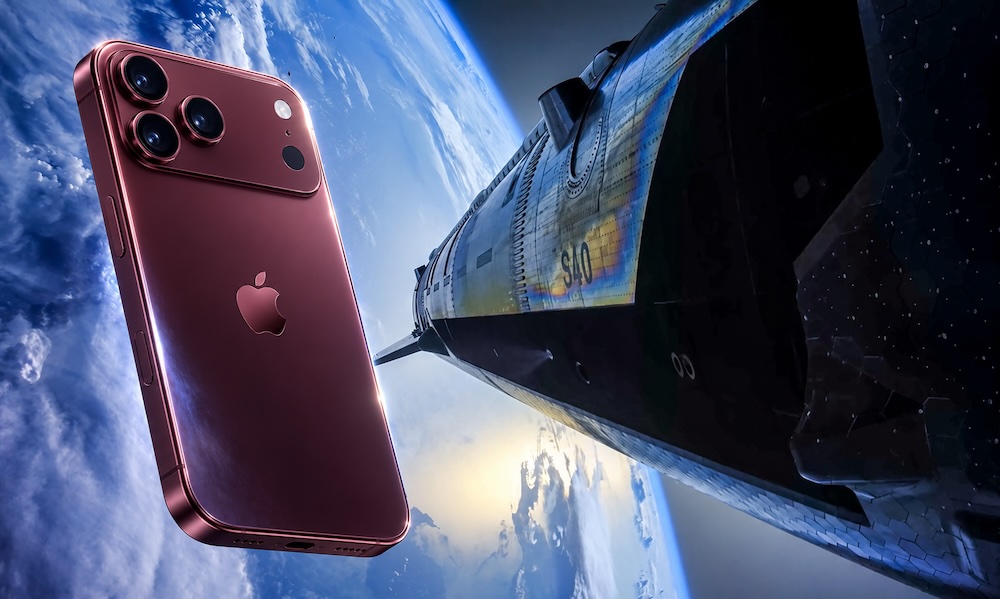
SpaceX has announced its ambition to transition from being just a backup network for iPhones in dead zones to becoming a full-fledged carrier.
Elon Musk, known for his accomplishments in electric cars, space exploration, AI, and social media, is now setting his sights on entering the cellular carrier industry.
SpaceX recently struck a deal to purchase a portion of nationwide low-band spectrum from Grain Management in order to enhance service for Starlink Mobile. This agreement includes up to 14 MHz of paired spectrum in the 800 MHz band, with an estimated value of $8 billion, although specific financial details were not disclosed.
By acquiring this spectrum, SpaceX aims to improve Starlink Mobile’s signal strength for indoor devices.
Starlink Mobile’s global 2 GHz mid-band spectrum offers high-bandwidth capacity in the US, while the new low-band spectrum will enhance coverage by ensuring the signal can penetrate obstacles like walls, providing service to devices even indoors. Most existing mobile devices already support this underutilized band.
Significance of Low-Band Spectrum
Satellite services traditionally struggle to function indoors due to signal interference from buildings. Low-band spectrum addresses this issue by offering better signal penetration through structures, making it ideal for widespread mobile coverage. While low-band spectrum sacrifices speed, SpaceX plans to utilize the 2 GHz mid-band spectrum acquired from EchoStar for high-speed connections, complemented by the new low-band licenses to maintain seamless connectivity indoors.
SpaceX’s strategy involves integrating satellite technology with ground-based cell towers to establish a unified network that caters to indoor, outdoor, and rural areas. Small cellular base stations will be mounted on Starlink dishes, alongside basic ground infrastructure, to create a comprehensive phone coverage network in the US.
Recently, the FCC granted SpaceX approval to deploy 15,000 non-geostationary orbit satellites, a crucial step towards establishing a direct-to-device constellation.
Notably, SpaceX’s initiative won’t require specialized hardware from Apple, as most modern iPhone models already support the necessary frequencies to connect with Starlink services.
Although awaiting FCC approval, SpaceX’s network expansion plan involves addressing factors like network coordination, interference mitigation, and public interest. The timeline for network completion post-FCC approval remains uncertain.
With another iPhone carrier option on the horizon, consumers can anticipate forthcoming details on launch dates, service plans, and pricing from SpaceX. Stay tuned for updates!
global $wp;
. ‘/’;
??>










Marching into the Unknown: A Trailblazer’s Journey

Unbeatable Deal: Save Big on Samsung Galaxy S26 Ultra 512GB with 28% Discount on Amazon

Pixel 11 Plummets to Unprecedented Price Point – Tech Advisor Reports

Streamlining Hair Braiding: Tressfecta’s Solution for Effortless Styling

Starlink: Your New Full-Time iPhone Carrier

TOP 5 BEST UPCOMING SMARTPHONES – 2018!!

BMW Milestone: One Million M Cars and the Future of M3s as Petrol and EV Models Coexist

Black & White Remastered: A Return to Godly Power

Revolutionary Microbiota Therapy Secures €42 Million Funding for Inflammatory Bowel Disease Treatment

EU Takes Action Against Instagram and Facebook for Violating Illegal Content Rules

Warning: Facebook Creators Face Monetization Loss for Stealing and Reposting Videos

Facebook’s New Look: A Blend of Instagram’s Style

Facebook Compliance: ICE-tracking Page Removed After US Government Intervention

Facebook and Instagram to Reduce Personalized Ads for European Users

InstaDub: Meta’s AI Translation Tool for Instagram Videos

Reclaim Your Account: Facebook and Instagram Launch New Hub for Account Recovery

Meta discontinues Messenger apps for Windows and macOS

Breaking Updates: Meta Connect 2025 Unveils Latest Developments
TOP 5 BEST UPCOMING SMARTPHONES – 2018!!

How to Apply a Screen Protector

The Flagship Samsung Smartphone you Never Considered.

Finally Fixing my Wi-Fi – Zyxel Multy X!

$25,000 Gaming Setup – EVOLUTION!

The Maze Alpha X is HERE!

Cool Tech under $100 – December!

MYSTERY UNBOXING FROM GOOGLE!

TOP 6 Smartphones from Companies you NEVER Expected!
-
 Facebook12 months ago
EU Takes Action Against Instagram and Facebook for Violating Illegal Content Rules
-
 Facebook1 year ago
Warning: Facebook Creators Face Monetization Loss for Stealing and Reposting Videos
-
 Facebook10 months ago
Facebook’s New Look: A Blend of Instagram’s Style
-
 Facebook1 year ago
Facebook Compliance: ICE-tracking Page Removed After US Government Intervention
-
 Facebook10 months ago
Facebook and Instagram to Reduce Personalized Ads for European Users
-
 Facebook1 year ago
InstaDub: Meta’s AI Translation Tool for Instagram Videos
-
 Facebook11 months ago
Reclaim Your Account: Facebook and Instagram Launch New Hub for Account Recovery
-
 Apple12 months ago
Meta discontinues Messenger apps for Windows and macOS
