
Startups
Amazon’s Latest Move: Challenging Nvidia with TorchNeuron Development Tool

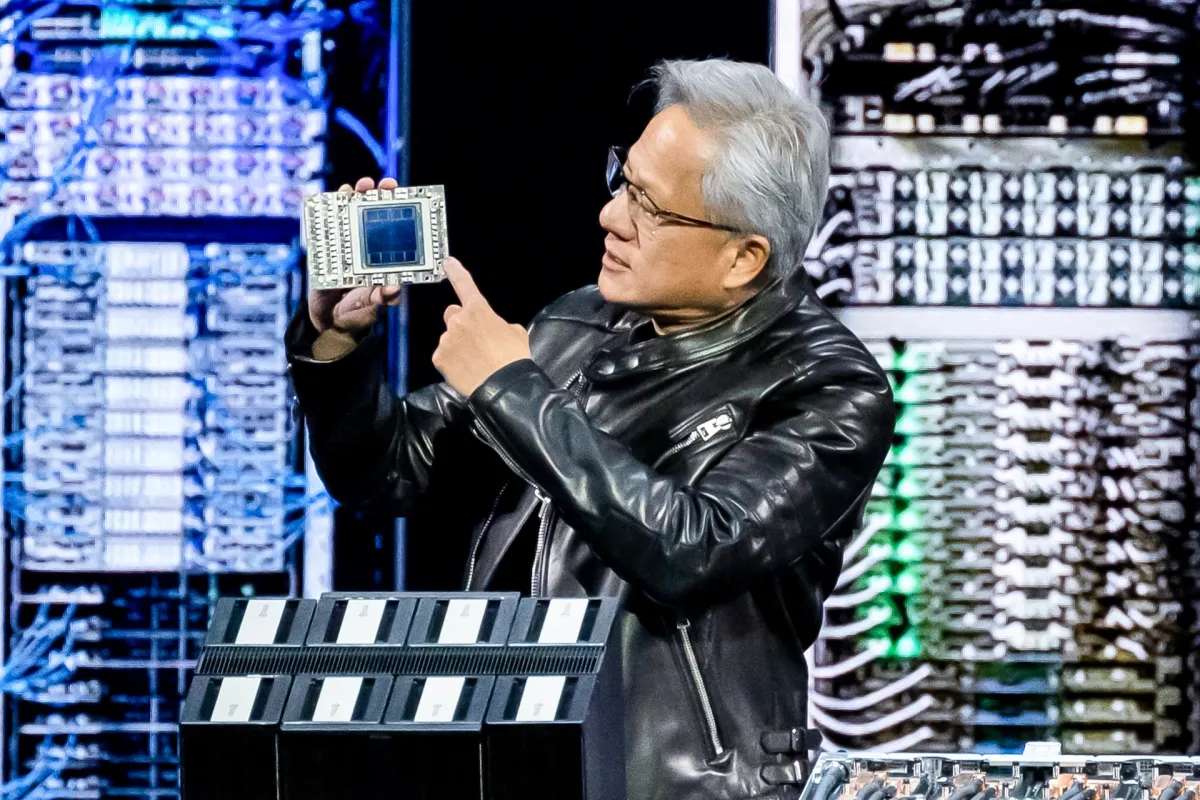
Amazon Web Services Introduces TorchNeuron Tool for AI Startups
On Monday, Amazon Web Services launched TorchNeuron, a tool designed to facilitate the migration of AI applications from various platforms to Amazon’s AI chip Trainium. This move by Amazon directly challenges Nvidia’s dominance in the AI hardware market, as Nvidia has been the preferred choice for AI applications due to its software advantage.
TorchNeuron is compatible with PyTorch, an open-source toolkit used by developers to create, train, and deploy AI models. Amazon claims that by making just a single line of configuration change, AI applications developed with PyTorch can seamlessly run on Trainium without the need for any code rewriting.
According to Amazon, approximately 85% of AI applications are built using PyTorch, which was initially developed by Facebook and is now maintained by the Linux Foundation. Nvidia has invested significant efforts in ensuring that its CUDA software supports AI applications built with PyTorch, establishing Nvidia’s hardware as the default choice for PyTorch users.
Developers familiar with PyTorch will find it easy to adapt to TorchNeuron, as it is based on PyTorch’s framework. While other companies have attempted to make their chips compatible with PyTorch, Amazon emphasizes that porting to Trainium not only simplifies the process but also provides AI startups with access to Amazon’s comprehensive cloud services.
Colin Brace, VP of Technology Software at AWS Annapurna Labs, highlighted the advantages of using Trainium within AWS ecosystem, stating that startups can swiftly transition from prototype to production with the existing infrastructure, enabling rapid scalability.
AWS asserts that utilizing Trainium for both training and inference tasks, combined with seamless integration with cloud infrastructure, offers cost efficiency to startups, despite not offering the lowest per-token price.
Furthermore, Amazon is actively working to reduce PyTorch’s dependency on Nvidia by contributing code changes to the main PyTorch project. This initiative aims to make PyTorch hardware-agnostic, benefiting the entire developer community beyond Trainium users.
Amazon’s strategy of decoupling PyTorch from Nvidia could have significant implications for Nvidia, as it may lead to increased competition and more affordable options for developers. The ultimate goal is to provide developers with a wider range of choices and eliminate vendor lock-in.
Overall, Amazon’s efforts to enhance PyTorch’s compatibility with various hardware platforms demonstrate its commitment to fostering innovation and providing developers with greater flexibility in deploying AI applications.
Disclaimer: This article may contain affiliate links. As an Amazon Associate, we earn from qualifying purchases. This does not impact our editorial integrity.











Amazon’s Investment: Powering the Future with a Nuclear Plant in Indiana

Unseen Threats: How AI Assistants Enable Covert Data Exfiltration

Protecting Originality: Moonlighter Devs Postpone Game Demo to Prevent GenAI Cloning

Master Your Samsung Galaxy: 10 Must-Try Tips and Tricks from Tech Advisor

Google Pixel Watch 4 LTE: Unbeatable Deal at 35% Off!

Amazon’s Latest Move: Challenging Nvidia with TorchNeuron Development Tool

Apple Unveils iOS 27.2 RC Update for iPhone Users

Top 20 BEST Smartphones of 2017!

2027 Toyota Fortuner Spotted Once More in Thailand: Sneak Peek at the Latest Model

EU Takes Action Against Instagram and Facebook for Violating Illegal Content Rules

Warning: Facebook Creators Face Monetization Loss for Stealing and Reposting Videos

Facebook’s New Look: A Blend of Instagram’s Style

Facebook Compliance: ICE-tracking Page Removed After US Government Intervention

Facebook and Instagram to Reduce Personalized Ads for European Users

InstaDub: Meta’s AI Translation Tool for Instagram Videos

Reclaim Your Account: Facebook and Instagram Launch New Hub for Account Recovery

Meta discontinues Messenger apps for Windows and macOS

Breaking Updates: Meta Connect 2025 Unveils Latest Developments
Top 20 BEST Smartphones of 2017!

5 Amazing Upcoming Smartphone Features – 2018 / 2019

ULTIMATE Power Banks / The Best Power Banks (2017-2018)

TOP 5 BEST UPCOMING SMARTPHONES – 2018!!

How to Apply a Screen Protector

The Flagship Samsung Smartphone you Never Considered.

Finally Fixing my Wi-Fi – Zyxel Multy X!

$25,000 Gaming Setup – EVOLUTION!

The Maze Alpha X is HERE!
-
 Facebook12 months ago
EU Takes Action Against Instagram and Facebook for Violating Illegal Content Rules
-
 Facebook1 year ago
Warning: Facebook Creators Face Monetization Loss for Stealing and Reposting Videos
-
 Facebook10 months ago
Facebook’s New Look: A Blend of Instagram’s Style
-
 Facebook1 year ago
Facebook Compliance: ICE-tracking Page Removed After US Government Intervention
-
 Facebook11 months ago
Facebook and Instagram to Reduce Personalized Ads for European Users
-
 Facebook1 year ago
InstaDub: Meta’s AI Translation Tool for Instagram Videos
-
 Facebook11 months ago
Reclaim Your Account: Facebook and Instagram Launch New Hub for Account Recovery
-
 Apple12 months ago
Meta discontinues Messenger apps for Windows and macOS