
Tech News
Maximizing Efficiency: The Advantages, Strategies, and Expenses of EMR/EHR Integration

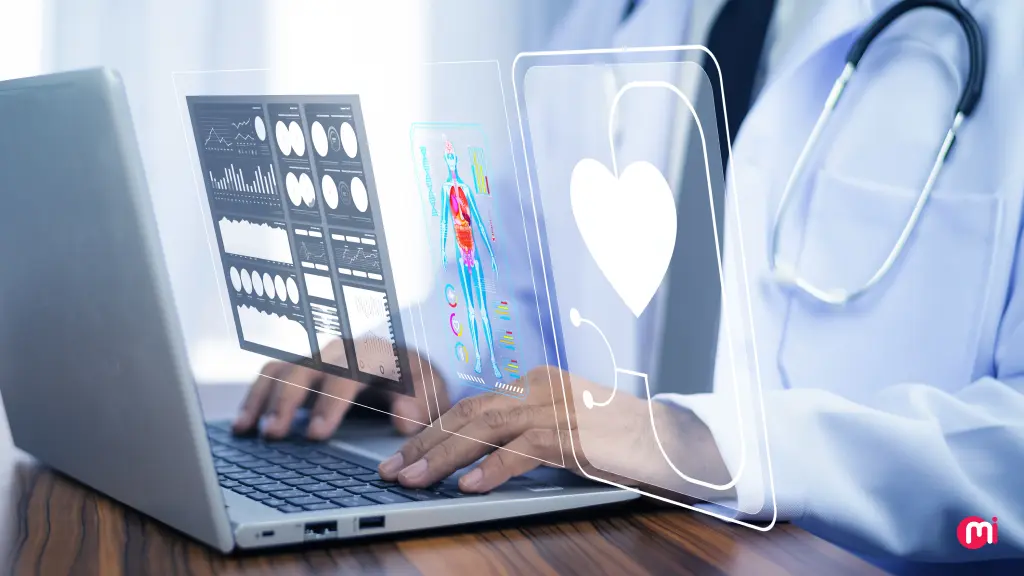
Many hospitals face challenges with fragmented data, such as lab results stored in one system, medication history in another, and billing in a third. This data is scattered across the healthcare ecosystem, making access limited for hospital staff members needing specific patient information for billing or administrative tasks. A single manual error can result in a denied claim or repeated test. This is where the importance of EMR/EHR integration comes in. It provides teams with seamless access to information and supports secure, compliant data handling through features like role-based access controls, automated audit logs, end-to-end encryption, and patient consent management to meet HIPAA and GDPR requirements.
Despite the benefits, many healthcare organizations resist EMR EHR integration due to challenges faced by CTOs at healthcare startups, hospitals, and clinics. This guide delves into the impact of EMR/EHR integration on patient care, offering insights into best practices, costs, challenges, and strategies to overcome them.
What is EMR/EHR Integration and Its Impact on Patient Care?
EMR/EHR integration involves connecting electronic medical records of patients across different healthcare systems in an ecosystem. This integration provides staff with instant access to patient data, leading to increased operational efficiency. With improved accuracy in operations such as patient onboarding, administrative management, and medical billing, the impact of EMR EHR integrations on healthcare systems is significant.
For instance, accurate medical billing is crucial for clinics in the US, especially ensuring the inclusion of ICD-10 and CPT codes in medical bills for seamless claims processing. Some major impacts of EMR EHR integrations on healthcare systems include better compliance information for billing and administrative tasks, personalized care plans for patients, efficient hospital administration, and real-time access to patient data for doctors to make accurate diagnostic decisions, especially for patients with chronic diseases.
Understanding EMR vs. EHR Integration Difference
EMR, or Electronic Medical Record, is a digital record used within a single practice, while EHR, or Electronic Health Record, supports a longitudinal record that moves with the patient across providers and care settings. Before deciding on building a custom record system or connecting with existing platforms, understanding the differences between EMR and EHR is crucial for improving operational efficiency.
The guide further explores three ways to integrate EMR/EHR systems, including standardized FHIR APIs, legacy HL7 v2 and C-CDA messaging, and proprietary APIs with RPA/custom adapters. Each approach addresses different system requirements, ensuring seamless integration for healthcare organizations.
Importance of EMR/EHR Integration and Real-World Impact
By connecting EMR and EHR systems across hospitals, clinics, and labs, the traditional health record transforms into a real-time engine for clinical, financial, and operational performance. The impact is evident in various areas, including cutting administrative and financial waste, improving patient safety and clinical outcomes, easing clinician burnout, and meeting modern patient and caregiver expectations.
The article highlights three projects that demonstrate the effectiveness of integration solutions in solving challenges related to fragmented data across systems. These projects showcase measurable results in revenue cycle management, clinical documentation, and compliance, emphasizing the importance of compliance in healthcare organizations.
Key Standards and Compliance in EMR/EHR Integration
Standards such as HL7 v2 and FHIR play a crucial role in structuring data for interoperability, while compliance rules like HIPAA ensure data security and access control in EHR and EMR data exchange. It is essential for healthcare organizations to embed data privacy and security requirements into their system architecture from the start to ensure compliance with regulations.
Common Challenges and Best Practices in EMR/EHR Integration
The article addresses common challenges in EMR/EHR integration, such as legacy systems, inconsistent interfaces, data quality issues, vendor API limits, and security gaps. It also provides best practices for successful integration, emphasizing the importance of defining scope, standardizing on modern APIs, auditing data and budget realistically, embedding security and governance, and phasing the rollout and managing change effectively.
Cost of EMR/EHR Integration and How to Control It
The cost of EMR/EHR integration varies based on factors such as the number of systems, standards used, data quality, architecture, security requirements, testing, and deployment. The article discusses the cost ranges for different types of integrations, emphasizing the importance of starting with the most valuable workflow, reusing existing APIs, and extending EHR systems instead of replacing them to control costs effectively.
Choosing MindInventory for EMR/EHR Integration Solutions
MindInventory is highlighted as a healthcare software development company with extensive experience in integrating with existing EHR and healthcare systems, offering tailored solutions to fit specific workflows and improve operational efficiency. The article emphasizes the company’s expertise in real-world systems, the right method for each interface, security and compliance, and clinician involvement in the integration process.
Conclusion
In conclusion, EMR/EHR integration plays a vital role in improving patient care, operational efficiency, and compliance in healthcare organizations. By addressing challenges, implementing best practices, and choosing the right integration vendor, healthcare organizations can streamline workflows, enhance data security, and deliver better patient outcomes. MindInventory’s expertise in healthcare IT services makes them a reliable partner for successful EMR/EHR integration solutions.












Top 20 BEST Smartphones of 2017!

2027 Toyota Fortuner Spotted Once More in Thailand: Sneak Peek at the Latest Model

Securing the Future: A Comprehensive Guide to OT Security for Connected Robots

Ascending to the Zenith: Boss Rush Mode and New Game+ in Saros’ Update

Upgrade Alert: Exciting Changes Coming to Your Old Google Home & Nest Speakers

Samsung Galaxy S27+: Why Downgrading Would Be a Mistake

Nordic DeepTech Fund: Bridging Startups and Industry Leaders

Exciting Updates Await: Apple’s MacBook Pro Event Unveiled

Apple Retail Staff Issue Warning on iPhone Duo Walk-In Policy

EU Takes Action Against Instagram and Facebook for Violating Illegal Content Rules

Warning: Facebook Creators Face Monetization Loss for Stealing and Reposting Videos

Facebook’s New Look: A Blend of Instagram’s Style

Facebook Compliance: ICE-tracking Page Removed After US Government Intervention

Facebook and Instagram to Reduce Personalized Ads for European Users

InstaDub: Meta’s AI Translation Tool for Instagram Videos

Reclaim Your Account: Facebook and Instagram Launch New Hub for Account Recovery

Meta discontinues Messenger apps for Windows and macOS

Breaking Updates: Meta Connect 2025 Unveils Latest Developments
Top 20 BEST Smartphones of 2017!

5 Amazing Upcoming Smartphone Features – 2018 / 2019

ULTIMATE Power Banks / The Best Power Banks (2017-2018)

TOP 5 BEST UPCOMING SMARTPHONES – 2018!!

How to Apply a Screen Protector

The Flagship Samsung Smartphone you Never Considered.

Finally Fixing my Wi-Fi – Zyxel Multy X!

$25,000 Gaming Setup – EVOLUTION!

The Maze Alpha X is HERE!
-
 Facebook12 months ago
EU Takes Action Against Instagram and Facebook for Violating Illegal Content Rules
-
 Facebook1 year ago
Warning: Facebook Creators Face Monetization Loss for Stealing and Reposting Videos
-
 Facebook10 months ago
Facebook’s New Look: A Blend of Instagram’s Style
-
 Facebook1 year ago
Facebook Compliance: ICE-tracking Page Removed After US Government Intervention
-
 Facebook10 months ago
Facebook and Instagram to Reduce Personalized Ads for European Users
-
 Facebook1 year ago
InstaDub: Meta’s AI Translation Tool for Instagram Videos
-
 Facebook11 months ago
Reclaim Your Account: Facebook and Instagram Launch New Hub for Account Recovery
-
 Apple12 months ago
Meta discontinues Messenger apps for Windows and macOS