
Microsoft
Microsoft’s Breakthrough in Medical Superintelligence: The Diagnostic Orchestrator Revolution

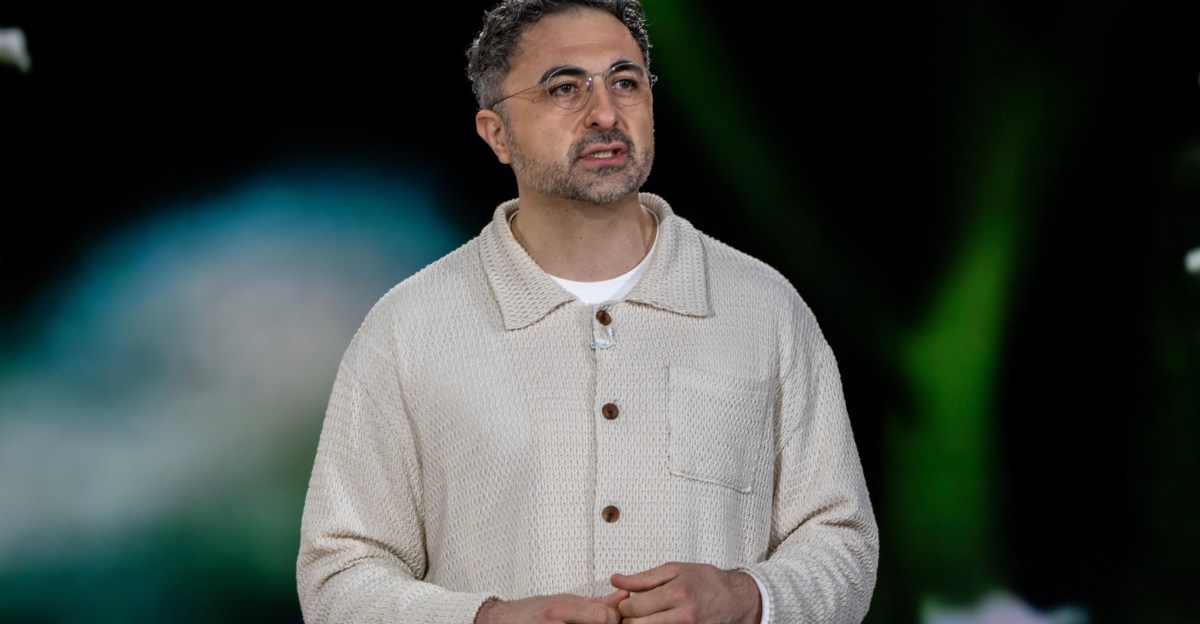
Microsoft AI System Shows Promise in Healthcare
Microsoft’s AI system has made significant strides in the healthcare sector, showcasing the potential of artificial intelligence to enhance medical diagnostics. According to Microsoft AI CEO Mustafa Suleyman, the technology has reached a pivotal point where it can significantly improve patient outcomes.
Groundbreaking AI Tool for Diagnosis
Microsoft has developed an AI-powered tool that boasts the ability to diagnose medical conditions with up to four times greater accuracy than human doctors. The findings, published in the prestigious journal Science, demonstrate the system’s capabilities in accurately diagnosing various conditions.
The AI system, known as the Diagnostic Orchestrator, employs multiple AI agents to analyze symptoms, medical histories, and test results to arrive at a diagnosis. It outperformed human physicians in diagnostic accuracy, achieving an impressive 83 percent accuracy rate on cases from The New England Journal of Medicine.
Future Prospects and Challenges
While the results are promising, Microsoft acknowledges that there is still a long road ahead before the technology can be widely implemented in clinical settings. Clinical validation is crucial to ensure the system’s effectiveness in real-world scenarios.
Microsoft’s ambition to develop “medical superintelligence” underscores its commitment to advancing healthcare through AI. The company aims to address various aspects of healthcare beyond diagnosis, including treatment decisions and patient care coordination.
Path to Commercialization
Although commercialization plans are on the horizon, Microsoft is cautious about the regulatory and compliance requirements in the healthcare industry. The company emphasizes the need for a responsible rollout of the technology to ensure its seamless integration into healthcare systems.
Microsoft plans to test the AI system in hospital settings to evaluate its performance in real clinical environments. The collaboration with the Beth Israel Deaconess Medical Center aims to assess the system’s practicality and efficacy.
Human-Centered Approach to AI
Mustafa Suleyman envisions a future where AI technology complements human clinicians rather than replacing them. He believes that AI can alleviate the administrative burden on doctors, allowing them to focus more on patient care.
As AI continues to evolve, Microsoft remains optimistic about the transformative impact it will have on healthcare delivery. The company’s commitment to building technology that enhances patient care underscores its dedication to advancing medical diagnostics through innovation.












MY NEW CAR?! (Q&A)

Tesla’s Cybertruck Launch Down Under: A Canceled Debut and Deposit Refunds

Microsoft’s Breakthrough in Medical Superintelligence: The Diagnostic Orchestrator Revolution

Virtue and a Sledgehammer: The Cathartic Prelude

EdTech Intuitivo secures €1.35 million funding to streamline teachers’ tasks and enter Brazilian market

Score a Deal on Apple’s Magic Keyboards for iPad – but There’s a Catch

Unfolding Innovation: Coolpad’s $150 Android Phone with iPhone Duo-like Widescreen Display

iPhone Duo Production Surges by 44% to Meet High Demand

Pushing the Limits: Customizing Our Ultimate 2027 BMW 3 Series

EU Takes Action Against Instagram and Facebook for Violating Illegal Content Rules

Warning: Facebook Creators Face Monetization Loss for Stealing and Reposting Videos

Facebook’s New Look: A Blend of Instagram’s Style

Facebook Compliance: ICE-tracking Page Removed After US Government Intervention

Facebook and Instagram to Reduce Personalized Ads for European Users

InstaDub: Meta’s AI Translation Tool for Instagram Videos

Reclaim Your Account: Facebook and Instagram Launch New Hub for Account Recovery

Meta discontinues Messenger apps for Windows and macOS

Breaking Updates: Meta Connect 2025 Unveils Latest Developments
MY NEW CAR?! (Q&A)

Should you buy your Smartphones Refurbished!?

6 Amazing SECRET Android Launchers (2017 / 2018)

6 Value for Money Tech Products you NEED to try!

iPhone X Helicopter 1200ft Drop Test!! + Mous Case Review

7 UNBELIEVABLE Smartphone Magic Tricks!

Oneplus 5T vs Oneplus 1 – 3 Years Later.

Top 20 BEST Smartphones of 2017!

5 Amazing Upcoming Smartphone Features – 2018 / 2019
-
 Facebook12 months ago
EU Takes Action Against Instagram and Facebook for Violating Illegal Content Rules
-
 Facebook1 year ago
Warning: Facebook Creators Face Monetization Loss for Stealing and Reposting Videos
-
 Facebook11 months ago
Facebook’s New Look: A Blend of Instagram’s Style
-
 Facebook1 year ago
Facebook Compliance: ICE-tracking Page Removed After US Government Intervention
-
 Facebook11 months ago
Facebook and Instagram to Reduce Personalized Ads for European Users
-
 Facebook1 year ago
InstaDub: Meta’s AI Translation Tool for Instagram Videos
-
 Facebook11 months ago
Reclaim Your Account: Facebook and Instagram Launch New Hub for Account Recovery
-
 Apple1 year ago
Meta discontinues Messenger apps for Windows and macOS