
Cars
Revolutionizing Electric Vehicles: BMW and Samsung SDI Collaborate with Solid Power to Advance Solid-State Battery Technology

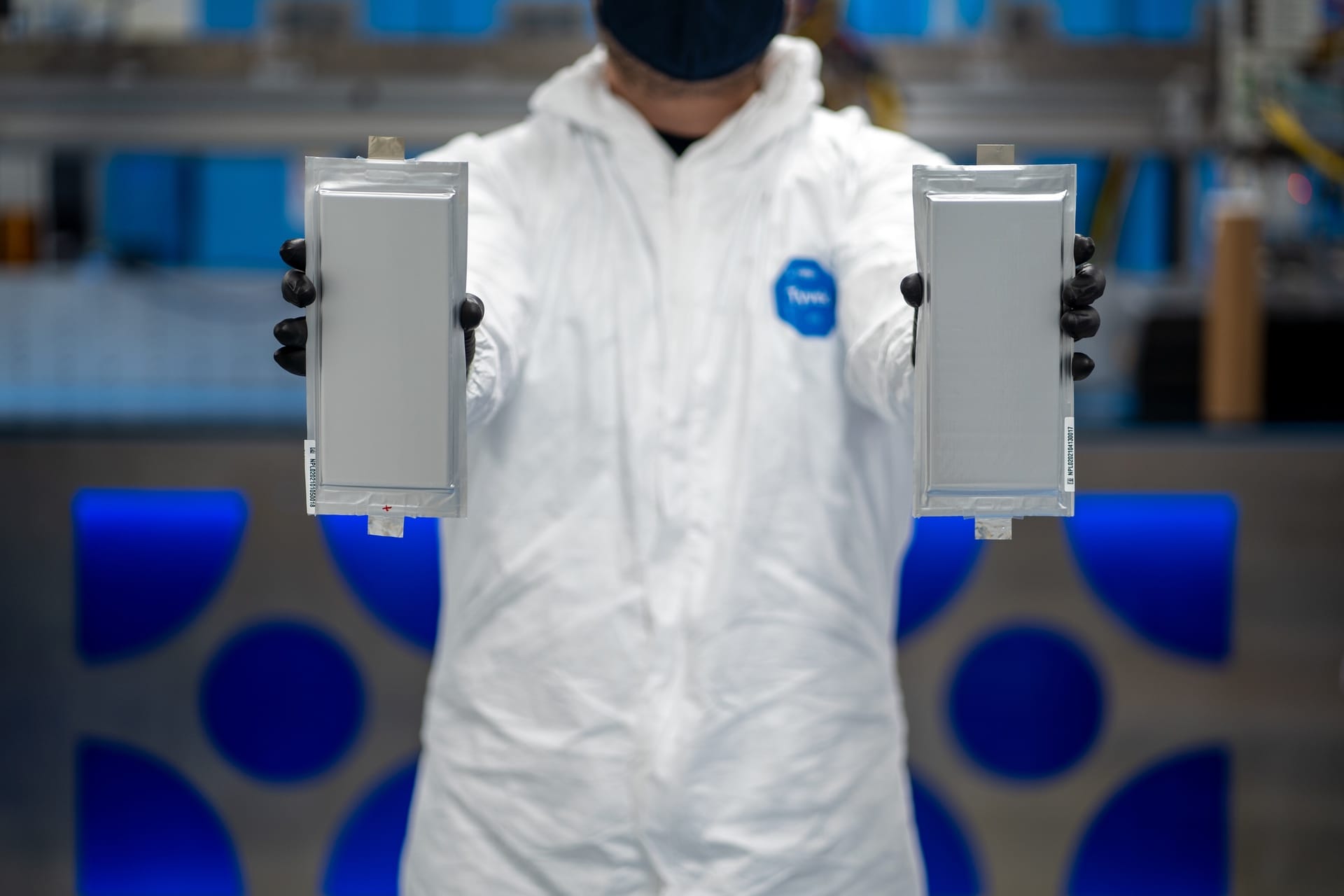
The Future of BMW’s Battery Technology: A Collaboration with Solid Power and Samsung SDI
For years, BMW has been eyeing solid-state batteries as the next big leap in battery technology. Now, with a new partnership with Colorado-based Solid Power and Samsung SDI, the German automaker is taking a significant step towards making this a reality. The goal? To develop and validate a demonstration vehicle powered by all-solid-state battery (ASSB) technology.
This collaboration marks a shift from theoretical research to practical application, as BMW moves from lab samples to actual test cars. It’s a clear sign that the company’s long-term vision for next-generation batteries is gaining momentum.
Building on Past Success
BMW’s journey towards solid-state batteries began in 2017 with their partnership with Solid Power. In 2021, the company received its first prototype cells for testing, which were then evaluated at the Cell Manufacturing Competence Center (CMCC) near Munich. By late 2023, BMW had acquired its first “A-sample” solid-state cells, and recent reports indicate that a BMW i7 prototype incorporating Solid Power’s sulfide-based electrolyte is undergoing testing in Munich.
The latest development sees Samsung SDI joining the collaboration, a crucial move towards scaling up the technology. Under the new agreement, Solid Power will supply its sulfide-based solid electrolyte to Samsung SDI, who will manufacture and test complete cells using the material. BMW and Samsung will then assess the cells based on agreed performance targets, with the ultimate aim of integrating solid-state cells into a demonstration vehicle.
The Promise of Solid-State Batteries
Solid-state batteries represent a significant advancement over traditional lithium-ion packs, offering enhanced energy density, improved safety, and longer lifespan by replacing liquid electrolytes with solid materials. These batteries operate at lower temperatures, store more energy in less space, and reduce the risk of fire, making them ideal for electric vehicles.
Despite these advantages, cost remains a major challenge. BMW anticipates that solid-state cells won’t be ready for production vehicles until around 2030, once the technology becomes more cost-effective and scalable. In the meantime, BMW aims to demonstrate the viability of solid-state chemistry in real-world applications while refining its Gen6 round-cell technology for future Neue Klasse models.
Additionally, the collaboration supports Solid Power’s strategy of supplying electrolyte materials to Tier 1 manufacturers and automakers, rather than directly competing in cell production.
For BMW, the transition to solid-state batteries is a strategic move that requires careful planning and infrastructure development. The company has invested in facilities like the Parsdorf CMCC to ensure readiness for the technology’s eventual mainstream adoption. While solid-state batteries represent the next evolution after lithium-ion, the transition is a gradual process that BMW, Samsung SDI, and Solid Power are now moving from the laboratory to the streets.










Reimagining the Next Generation: A Closer Look at the Apple TV 4K and HomePod Mini

Samsung Galaxy S9 & S9+ UNBOXING!

Revolutionary Safety Feature: Tesla Roadster with Retractable Movable Wing

Microsoft Announces Discontinuation of Copilot Plus PC Brand

Goblin Invasion: Hytale’s Chapter 1 Update Introduces Epic Boss Battles and Intricate Dungeons

Samsung Galaxy S27 Pro and Ultra: Enhanced with Larger Batteries

Innovative Health Benefits for Emerging Businesses

Comparing Apple Home’s AI Camera to Amazon and Google: A Test of Smart Home Technology

AirPods Enhancements: The Long-Awaited Update

EU Takes Action Against Instagram and Facebook for Violating Illegal Content Rules

Warning: Facebook Creators Face Monetization Loss for Stealing and Reposting Videos

Facebook’s New Look: A Blend of Instagram’s Style

Facebook Compliance: ICE-tracking Page Removed After US Government Intervention

Facebook and Instagram to Reduce Personalized Ads for European Users

InstaDub: Meta’s AI Translation Tool for Instagram Videos

Reclaim Your Account: Facebook and Instagram Launch New Hub for Account Recovery

Meta discontinues Messenger apps for Windows and macOS

Breaking Updates: Meta Connect 2025 Unveils Latest Developments
Samsung Galaxy S9 & S9+ UNBOXING!

Samsung Galaxy S9 Plus vs iPhone X

The BEST $300 Phone (2018) ft. MKBHD, Technical Guruji, iJustine + More

Samsung Galaxy S9 Plus Gaming Review! (vs OnePlus 5T)

THE BEST PHONE HTC EVER MADE?

The Truth about Google?

Samsung S9/ S9+ vs iPhone X vs Galaxy Note 8 Battery Life DRAIN TEST

Samsung S9 / S9+ vs Mate 10 Pro vs iPhone X Charging SPEED Test

The BEST APPS in 2018 – ft. MKBHD, UrAvgConsumer, iJustine + More
-
 Facebook11 months ago
EU Takes Action Against Instagram and Facebook for Violating Illegal Content Rules
-
 Facebook12 months ago
Warning: Facebook Creators Face Monetization Loss for Stealing and Reposting Videos
-
 Facebook10 months ago
Facebook’s New Look: A Blend of Instagram’s Style
-
 Facebook12 months ago
Facebook Compliance: ICE-tracking Page Removed After US Government Intervention
-
 Facebook10 months ago
Facebook and Instagram to Reduce Personalized Ads for European Users
-
 Facebook12 months ago
InstaDub: Meta’s AI Translation Tool for Instagram Videos
-
 Facebook10 months ago
Reclaim Your Account: Facebook and Instagram Launch New Hub for Account Recovery
-
 Apple11 months ago
Meta discontinues Messenger apps for Windows and macOS
