
Cars
Electric Excitement: A Quick Drive with the 2026 Suzuki e-Vitara

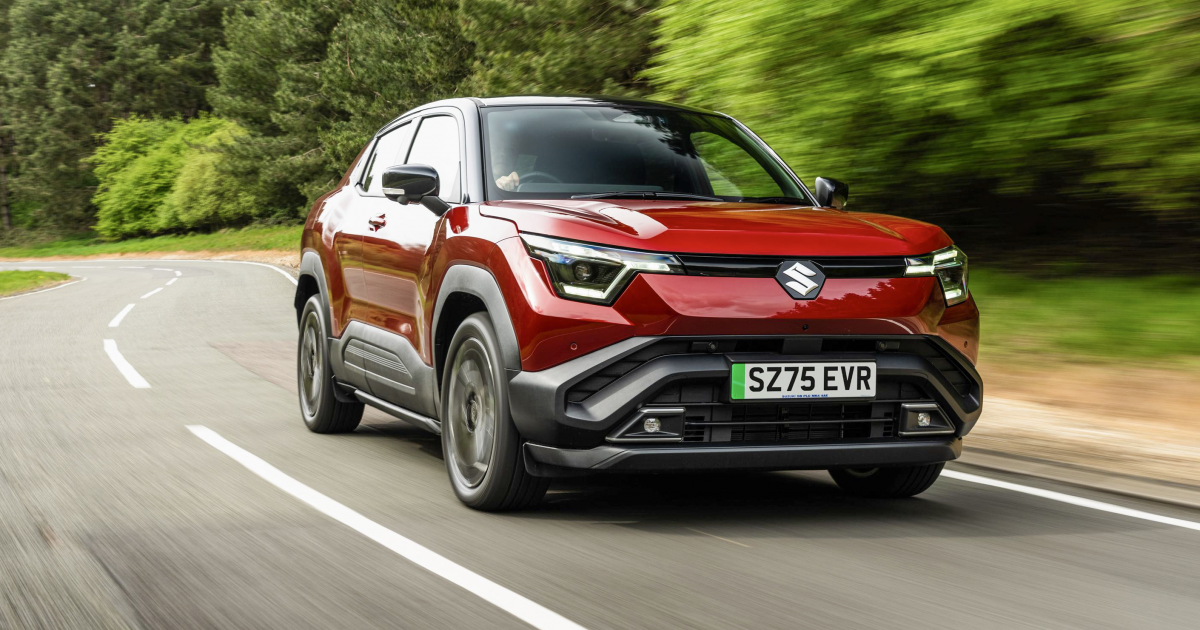
Suzuki and Toyota are currently engaged in a technical collaboration, but the results of this partnership are yet to be seen. Historically, Toyota has taken the lead in this collaboration, offering its vehicles to Suzuki for rebadging. However, Suzuki’s first mass-produced electric vehicle, the e-Vitara, marks a shift in this dynamic. Toyota will now use Suzuki’s work to create the Urban Cruiser from the same building blocks.
In the competitive compact electric SUV sector, the Suzuki e-Vitara faces stiff competition from Chinese EVs and established manufacturers like Kia, Volvo, and Skoda. Despite this, the e-Vitara is set to launch in Australia in early 2026, following its European debut.
The pricing and specifications for the Australian market are yet to be determined, but the e-Vitara will need to be competitively positioned to succeed. With rivals offering longer range, faster DC charging rates, and more power and torque, Suzuki will need to differentiate itself to attract customers.
The interior of the e-Vitara has been designed with attention to detail, featuring solid construction and varied textures. However, some plastic components feel less robust, and the overall ambiance is somewhat dull. The technology interface, consisting of a central touchscreen and digital instrument cluster, has room for improvement, with too much reliance on the infotainment system for basic functions.
Passenger space in the back is decent, with adjustable seating configurations to maximize comfort and cargo capacity. However, the boot space is limited compared to competitors, and the lack of front storage is a drawback.
In terms of powertrains, the e-Vitara offers three main variants based on battery size and drivetrain options. The entry-level model features a smaller battery pack, while the long-range model boasts a higher power output. The top-tier dual-motor Allgrip-e model offers all-wheel drive capability but sacrifices range.
On the road, the e-Vitara delivers a smooth driving experience but lacks the performance of some rivals. The ride quality is a mixed bag, with issues such as excessive wind and tire noise and uncomfortable suspension on rough surfaces. The efficiency of the electric system is also a concern, with higher-than-expected energy consumption during testing.
Standard specifications for the e-Vitara include features like alloy wheels, a display system, privacy glass, parking sensors, LED headlights, and more. Higher trim levels add additional luxury and safety features, making the e-Vitara a well-equipped option in its class.
Safety ratings for the e-Vitara are yet to be determined, but the vehicle comes with a range of safety features as standard. Suzuki offers a comprehensive warranty and aftersales support for the e-Vitara, including extended battery warranties in some markets.
Overall, the Suzuki e-Vitara is a solid entry into the electric SUV market, offering competitive pricing and a range of features. However, it faces tough competition from more established rivals in terms of performance, range, and driving experience. Suzuki will need to address these areas to stand out in the market.








Release Dates Revealed: Mycopunk and Virtue Unleashed with a Sledgehammer

Oppo Find X10: The Next Generation OnePlus 16 Replacement

First Look: Samsung Galaxy Tab S12 Ultra Unveiled

NUS Enterprise Expands Globally with Nova: A Revolutionary AI Platform for Research Commercialisation

Mastering the iPhone 18 Pro’s Aperture: Enhancing Your Photography with These Camera Apps

Reimagining the Next Generation: A Closer Look at the Apple TV 4K and HomePod Mini

Samsung Galaxy S9 & S9+ UNBOXING!

Revolutionary Safety Feature: Tesla Roadster with Retractable Movable Wing

Microsoft Announces Discontinuation of Copilot Plus PC Brand

EU Takes Action Against Instagram and Facebook for Violating Illegal Content Rules

Warning: Facebook Creators Face Monetization Loss for Stealing and Reposting Videos

Facebook’s New Look: A Blend of Instagram’s Style

Facebook Compliance: ICE-tracking Page Removed After US Government Intervention

Facebook and Instagram to Reduce Personalized Ads for European Users

InstaDub: Meta’s AI Translation Tool for Instagram Videos

Reclaim Your Account: Facebook and Instagram Launch New Hub for Account Recovery

Meta discontinues Messenger apps for Windows and macOS

Breaking Updates: Meta Connect 2025 Unveils Latest Developments
Samsung Galaxy S9 & S9+ UNBOXING!

Samsung Galaxy S9 Plus vs iPhone X

The BEST $300 Phone (2018) ft. MKBHD, Technical Guruji, iJustine + More

Samsung Galaxy S9 Plus Gaming Review! (vs OnePlus 5T)

THE BEST PHONE HTC EVER MADE?

The Truth about Google?

Samsung S9/ S9+ vs iPhone X vs Galaxy Note 8 Battery Life DRAIN TEST

Samsung S9 / S9+ vs Mate 10 Pro vs iPhone X Charging SPEED Test

The BEST APPS in 2018 – ft. MKBHD, UrAvgConsumer, iJustine + More
-
 Facebook11 months ago
EU Takes Action Against Instagram and Facebook for Violating Illegal Content Rules
-
 Facebook12 months ago
Warning: Facebook Creators Face Monetization Loss for Stealing and Reposting Videos
-
 Facebook10 months ago
Facebook’s New Look: A Blend of Instagram’s Style
-
 Facebook12 months ago
Facebook Compliance: ICE-tracking Page Removed After US Government Intervention
-
 Facebook10 months ago
Facebook and Instagram to Reduce Personalized Ads for European Users
-
 Facebook12 months ago
InstaDub: Meta’s AI Translation Tool for Instagram Videos
-
 Facebook10 months ago
Reclaim Your Account: Facebook and Instagram Launch New Hub for Account Recovery
-
 Apple11 months ago
Meta discontinues Messenger apps for Windows and macOS
