
Inovation
Revolutionizing Personal Security: The Impact of Biometrics

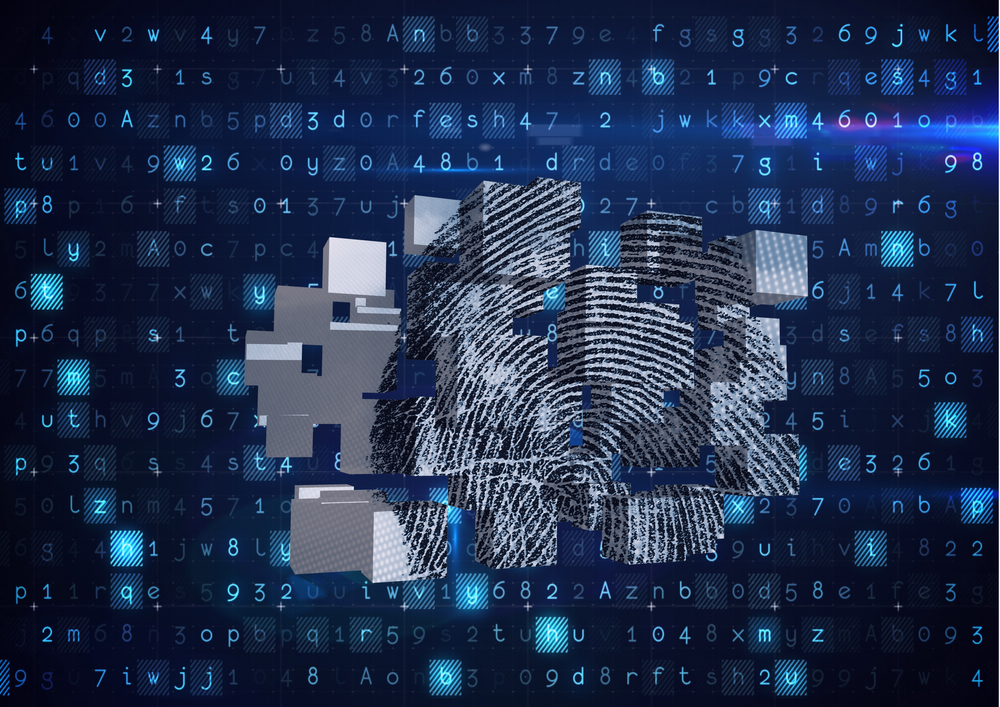
Addressing Heightened Digital Security Concerns: The Rise of Biometric Authentication
With the increasing prevalence of digital threats, traditional password systems are no longer deemed secure enough. As a result, biometric authentication is emerging as a promising alternative, utilizing unique physical characteristics for user verification.
This shift aims to bolster security measures while streamlining access to devices and services. However, the adoption of biometric systems raises important considerations regarding privacy and data protection.
The implications of this technological progression extend beyond mere convenience, prompting a deeper exploration of its potential impact on personal security.
Transitioning from Passwords to Biometrics: A New Security Standard
Amid escalating digital security concerns, the transition from traditional passwords to biometric authentication methods is gaining traction. Users are increasingly challenged by the complexity of passwords and the risks associated with password compromise.
Biometric identification offers a more robust alternative, leveraging unique physical traits like fingerprints, facial recognition, and iris scans. These methods provide enhanced security as they are inherently tied to the individual, making unauthorized access more challenging.
Furthermore, the ease of biometric authentication appeals to users seeking quick access to their devices. It eliminates the need for frequent password changes and reduces susceptibility to phishing attacks.
Organizations are also embracing biometrics for heightened security measures, recognizing the inadequacies of traditional password systems against modern cyber threats. As technology advances, the integration of biometrics into everyday security practices is set to redefine global personal security standards.
Embracing Biometric Identification: The Body as a Key
Biometric identification transforms the body into a key, uniquely linking individuals to their devices and accounts. This technology relies on measurable physical or behavioral traits such as fingerprints, facial recognition, or iris scans to verify identity. Each biometric marker is distinct, making replication or forgery nearly impossible, thereby enhancing security.
Devices equipped with biometric sensors capture these traits and convert them into digital data. This data is then compared against stored templates to authenticate identity, involving multiple stages to ensure accuracy, including feature extraction and matching algorithms.
Moreover, the integration of biometric systems into everyday devices promotes both convenience and security, allowing users swift access without the need for complex passwords, enhancing the overall user experience.
As biometric identification evolves, its application in personal security becomes increasingly crucial in safeguarding sensitive information.
Advancements in Biometric Security: Beyond Fingerprints
While fingerprints have traditionally been central to biometric security, technological advancements are paving the way for more sophisticated identification methods.
Iris recognition, which analyzes unique patterns in the eye’s colored part, offers high accuracy and is increasingly integrated into security systems.
Facial recognition technology, utilizing algorithms to map facial features, has gained prominence for its rapid identity verification capabilities.
Furthermore, voice recognition systems analyze vocal characteristics, providing an additional layer of security that is both convenient and user-friendly.
Emerging technologies like vein pattern recognition explore unique vascular patterns beneath the skin, offering an alternative method for securing sensitive information.
As these innovations progress, they promise to enhance security protocols and reduce reliance on traditional methods, ultimately redefining personal security more securely and efficiently.
Ensuring Responsible Biometric Data Protection in Businesses
Trust is paramount in biometric data management, where businesses bear the critical responsibility of safeguarding sensitive information. To cultivate this trust, companies must implement stringent security measures like encryption and secure storage solutions to prevent unauthorized access to biometric data.
Regular audits and compliance with industry regulations are essential in demonstrating a commitment to responsible data management.
Transparency is key in informing users about the usage, storage, and sharing of their biometric data. Clear privacy policies foster trust, enabling informed decision-making by consumers.
Additionally, ongoing education efforts can raise awareness about the significance of biometric security.
Collaborating with cybersecurity experts can help businesses stay vigilant against potential threats, ensuring the adoption of best practices in biometric data protection.
Shaping Secure Identities in the Future: The Role of Biometrics
Advancements in biometrics are poised to transform secure identities in the future. Introducing multiple biometric modalities like facial recognition, fingerprint scanning, and voice authentication can enhance security while offering users seamless experiences.
Decentralized identity solutions leveraging blockchain technology promise individuals greater control over their data, reducing the risk of data breaches.
Artificial intelligence will play a pivotal role, enabling real-time analysis of biometric data to detect anomalies and prevent identity theft.
As society embraces a digital-first approach, the fusion of biometrics and technology will redefine secure identities, creating a safer environment for personal and financial interactions.
A future with robust, multi-layered security systems will foster trust in digital transactions, ensuring enhanced security for all users.
Upholding Responsible Biometric Data Management for a Secure Future
As personal security landscapes evolve, biometrics emerge as a crucial solution, offering enhanced protection and user convenience. By replacing traditional passwords with unique physical traits, individuals can enjoy seamless access while mitigating risks associated with password vulnerabilities.
Businesses must prioritize responsible biometric data handling to build trust and ensure a secure future for identity verification. The era of secure identities has indeed dawned.











AirPods Enhancements: The Long-Awaited Update

The Evolution of the ALPINA X5: From Secret Prototype to BMW X5 4.6iS

Microsoft’s Revolutionary Copilot: A Game-Changer in the Battle Against Anthropic and OpenAI – GeekWire

Building the Future: The Evolution of Europe’s First Digital Experimentation Infrastructure

Titan Quest II: Rise of the Gods – Official Launch in January 2027

Ultimate Guide to Googlebook: Everything You Need to Know about Price, Release Date, Key Specs & Features

Apple’s Latest Challenge: A Fitbit Air and Whoop Rival in the Works

The Importance of Understanding Your Business’s Value Before Making a Big Financial Move

Google’s Groundbreaking AI Satellite Launching into Space Next Week

EU Takes Action Against Instagram and Facebook for Violating Illegal Content Rules

Warning: Facebook Creators Face Monetization Loss for Stealing and Reposting Videos

Facebook’s New Look: A Blend of Instagram’s Style

Facebook Compliance: ICE-tracking Page Removed After US Government Intervention

Facebook and Instagram to Reduce Personalized Ads for European Users

InstaDub: Meta’s AI Translation Tool for Instagram Videos

Reclaim Your Account: Facebook and Instagram Launch New Hub for Account Recovery

Meta discontinues Messenger apps for Windows and macOS

Breaking Updates: Meta Connect 2025 Unveils Latest Developments

Samsung Galaxy S9 Plus vs iPhone X

The BEST $300 Phone (2018) ft. MKBHD, Technical Guruji, iJustine + More

Samsung Galaxy S9 Plus Gaming Review! (vs OnePlus 5T)

THE BEST PHONE HTC EVER MADE?

The Truth about Google?

Samsung S9/ S9+ vs iPhone X vs Galaxy Note 8 Battery Life DRAIN TEST

Samsung S9 / S9+ vs Mate 10 Pro vs iPhone X Charging SPEED Test

The BEST APPS in 2018 – ft. MKBHD, UrAvgConsumer, iJustine + More

The ULTIMATE Smartphone Unboxing!!
-
 Facebook11 months ago
EU Takes Action Against Instagram and Facebook for Violating Illegal Content Rules
-
 Facebook12 months ago
Warning: Facebook Creators Face Monetization Loss for Stealing and Reposting Videos
-
 Facebook10 months ago
Facebook’s New Look: A Blend of Instagram’s Style
-
 Facebook12 months ago
Facebook Compliance: ICE-tracking Page Removed After US Government Intervention
-
 Facebook10 months ago
Facebook and Instagram to Reduce Personalized Ads for European Users
-
 Facebook12 months ago
InstaDub: Meta’s AI Translation Tool for Instagram Videos
-
 Facebook10 months ago
Reclaim Your Account: Facebook and Instagram Launch New Hub for Account Recovery
-
 Apple11 months ago
Meta discontinues Messenger apps for Windows and macOS
