
Cars
Clean Air Assurance: Polestar’s Emissions Credits for Sustainable Solutions

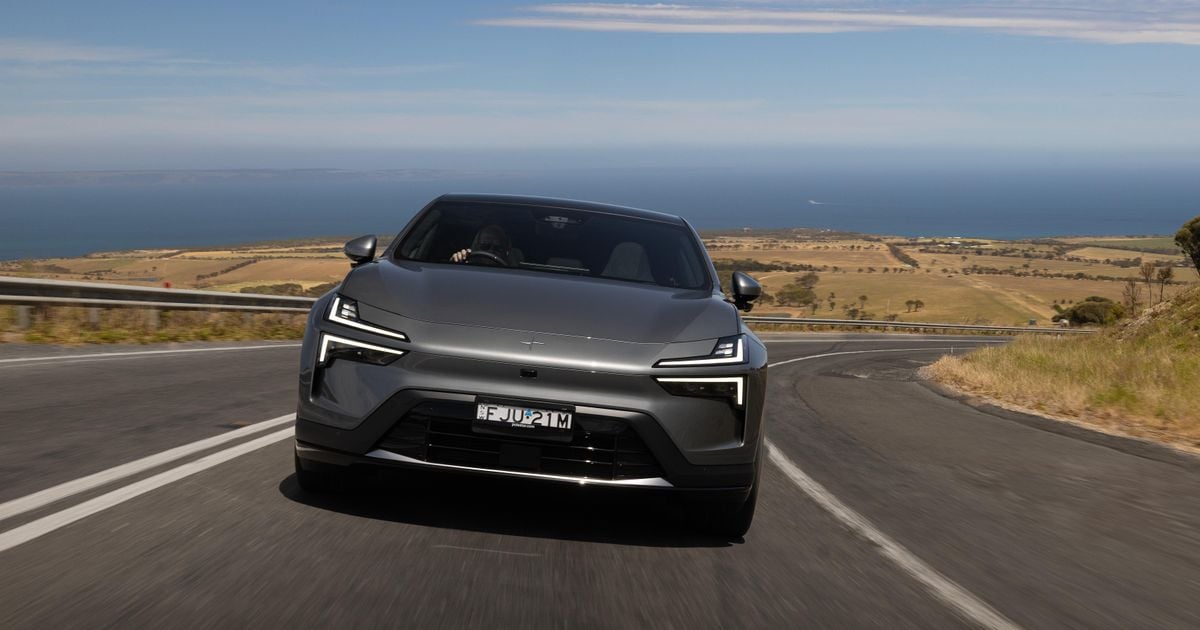
Australia’s New Vehicle Efficiency Standard and Polestar’s Emissions ‘Credits’ Strategy
The recent implementation of Australia’s New Vehicle Efficiency Standard (NVES) has brought about a significant change in the automotive industry. Polestar, an electric vehicle (EV)-only brand, has decided to capitalize on this new regulation by selling the emissions ‘credits’ it earns to other brands struggling to meet their EV targets.
Under the NVES, all car manufacturers in Australia must adhere to annual fleet-wide carbon dioxide emissions targets. Failure to meet these targets will result in fines. On the other hand, brands that surpass their targets, especially those focused on plug-in hybrids and EVs, will accrue ‘credits’ that can be either used to meet future targets or sold to other brands in need.
Polestar, a brand owned by Geely and known for its exclusive electric lineup, is expected to be in high demand for these credits. Scott Maynard, Polestar Australia’s managing director, has confirmed the brand’s intention to sell its credits to interested parties, although the specific brands remain undisclosed.
Some brands, such as Isuzu Ute Australia, lack electrification options and could benefit from purchasing these credits. Additionally, brands like Ford and Subaru, which offer EVs but struggle with sales numbers, could also leverage these credits to meet their targets.
For the year 2026, passenger cars must maintain a fleet-wide average of 117g/km of carbon dioxide emissions, while light commercial vehicles and heavy-duty SUVs are limited to 180g/km. Polestar’s commitment to electric vehicles aligns well with these standards, positioning the brand as a valuable source of emissions credits.
Mr. Maynard emphasized the fairness of transferring credits between brands, noting that it incentivizes continual investment in low-emission technologies. This approach, he believes, promotes authenticity and encourages brands to prioritize eco-friendly practices.
Despite concerns raised by automotive bodies like the Federal Chamber of Automotive Industries (FCAI), Polestar has embraced the NVES and opted to depart from the FCAI in solidarity with Tesla. The brand’s confidence in meeting the standards without passing on additional costs to consumers demonstrates its commitment to sustainability.
Polestar remains optimistic about the impact of the NVES, emphasizing that most brands can comply with the standards without significant challenges. The availability of credits offers a safety net for brands transitioning to cleaner technologies and encourages innovation in the industry.
Overall, Polestar’s proactive approach to the NVES reflects its dedication to environmental responsibility and sets a positive example for the automotive sector. By leveraging emissions credits effectively, the brand not only meets regulatory requirements but also contributes to a greener future for the industry.
Related Articles:
- Polestar won’t rejoin Australia’s top auto industry body
- What the first federal emission standard means for Aussie car buyers
- Explore the Polestar showroom
Transform the following sentence into the past tense:
Original: I am going to the store tomorrow.
Transformed: I was going to the store yesterday.










Ram Trucks Australia Braces for Price Increases Due to Emissions Regulations

Revving Up: Tractor Battle Adventure RPG Expands with Mod Support on Steam Workshop

Troubleshooting Guide: Unable to Access 192.168.0.1

Choosing the Right AI: Ensuring Trust in Multi-Model Translation Systems

Friday Night Baseball Madness: iPhone 18 Pro Edition

Partnership Potential: JAC & Huawei in Talks to Produce Electric Maserati Vehicles

Grand Theft Auto VI: The Soundtrack – Limited Edition Physical Release

The Never-Ending Battle of the Galaxy S27 Ultra Camera: A Tech Advisor’s Perspective

Motorola Signature 27: Unveiled Specs and Vibrant Colour Options – Tech Advisor

EU Takes Action Against Instagram and Facebook for Violating Illegal Content Rules

Warning: Facebook Creators Face Monetization Loss for Stealing and Reposting Videos

Facebook’s New Look: A Blend of Instagram’s Style

Facebook Compliance: ICE-tracking Page Removed After US Government Intervention

Facebook and Instagram to Reduce Personalized Ads for European Users

InstaDub: Meta’s AI Translation Tool for Instagram Videos

Reclaim Your Account: Facebook and Instagram Launch New Hub for Account Recovery

Meta discontinues Messenger apps for Windows and macOS

Breaking Updates: Meta Connect 2025 Unveils Latest Developments

Huawei P20 Pro Unboxing!

Huawei P20 Pro vs Samsung S9 Plus!

Huawei P20 vs P20 Pro vs iPhone 8 Plus vs S9 Battery Drain Test!

10 Android Mods that Change Everything

I used the first Android Phone in the World.

DOOGEE MIX 4 UNBOXING (PROTOTYPE)!

MYSTERY UNBOXING FROM SAMSUNG!

The Truth about Huawei P20 Pro – REAL Review

How to Love your Android Phone again.
-
 Facebook11 months ago
EU Takes Action Against Instagram and Facebook for Violating Illegal Content Rules
-
 Facebook11 months ago
Warning: Facebook Creators Face Monetization Loss for Stealing and Reposting Videos
-
 Facebook9 months ago
Facebook’s New Look: A Blend of Instagram’s Style
-
 Facebook11 months ago
Facebook Compliance: ICE-tracking Page Removed After US Government Intervention
-
 Facebook9 months ago
Facebook and Instagram to Reduce Personalized Ads for European Users
-
 Facebook11 months ago
InstaDub: Meta’s AI Translation Tool for Instagram Videos
-
 Facebook10 months ago
Reclaim Your Account: Facebook and Instagram Launch New Hub for Account Recovery
-
 Apple11 months ago
Meta discontinues Messenger apps for Windows and macOS
