
Microsoft
Bill Gates Sounds the Alarm on AI: Why We Should Listen

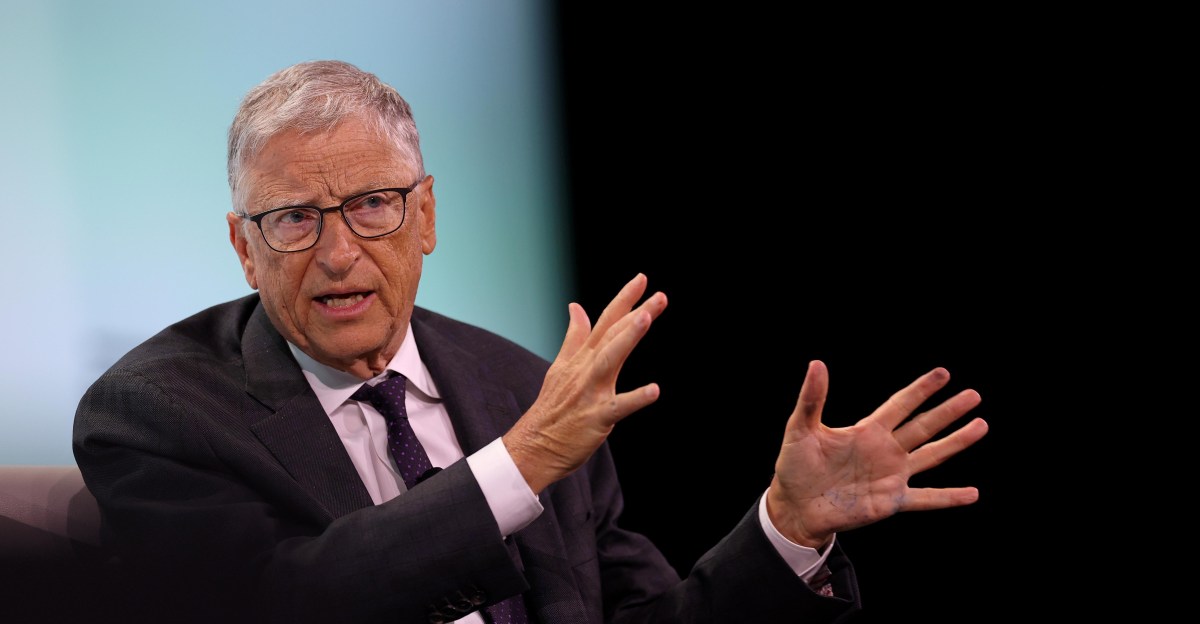
Bill Gates has recently been contemplating the implications of AI, leading to a significant shift in his perspective. Once a strong advocate for AI, the Microsoft co-founder has now become deeply pessimistic about its impact on our future.
Gates, who has been relatively quiet on AI issues in recent times, has returned with a nearly 6,000-word essay aiming to reassert his influence in shaping global AI technology. Titled “The turbulent AI era is here. The choices we make now are critical,” Gates cautions that the world is ill-prepared for the impending developments and is failing to make necessary preparations.
Gates endeavors to outline a way forward, but his essay mostly covers familiar ground, highlighting longstanding systemic challenges in global governance without offering innovative solutions. This marks a stark departure from the optimistic outlook on AI seen in his 2023 essay on the subject. Despite the gloomy tone, Gates remains hopeful that it is not too late to ensure that the benefits of AI outweigh the drawbacks.
Here are some key insights from Gates’ essay:
A transition bigger — and faster — than the world realizes
“AI will either be the greatest equalizer ever invented, or the worst source of injustice,” Gates predicts, emphasizing that the shift to this new AI era will be one of the most turbulent periods in human history. He warns that many underestimate the magnitude of the impact due to misleading comparisons with past innovations like PCs and quick fixes to performance-related issues in current AI models.
“This time really is different,” he asserts, highlighting the need for a credible plan to slow down AI advancements globally, a plan he would likely support.
Tax robots and reserve some jobs for humans
Gates expresses grave concerns about the repercussions of AI on employment, foreseeing widespread, permanent job loss and significant social unrest. He cautions that many jobs will vanish forever, with both white- and blue-collar positions at risk of being replaced.
Gates’ apprehensions about labor issues prompt him to propose concrete policy measures: taxing AI tokens and robots to discourage companies from substituting human workers and to bolster social welfare funds, as well as setting aside specific jobs for humans in a realm dubbed “Human Reserved.”
Political leaders must take action now, Gates insists, to prevent a sharp rise in unemployment, community distress, and erosion of public trust.
Build an international organization
Gates criticizes existing institutions as inadequately equipped for the monumental task of overseeing AI. Given AI’s broad impact across various sectors such as taxation, labor, healthcare, national security, and education, traditional institutions lack the comprehensive view needed. To bridge this gap, Gates advocates for dedicated bodies within countries that can coordinate priorities across government agencies and address every potential risk.
Furthermore, Gates calls for the establishment of a global organization by the international community to manage transnational risks associated with AI, though he does not specify these risks. While he does not provide specific details on the structure of such an organization, he envisions it as a unique entity, drawing inspiration from international agreements on nuclear disarmament, aviation safety, and ozone layer protection.
Gates acknowledges that such a framework would necessitate cooperation between the US and China, without delineating a method for achieving this. Urging swift action, he emphasizes the need to start setting up the international organization without delay.
No longer sitting on the sidelines
Despite his prominent standing in the tech industry and philanthropy, Gates has been notably absent from public discourse on AI, possibly due in part to his association with Jeffrey Epstein, a decision he regrets and hopes will not overshadow his contributions in areas such as global health and AI.
This essay signals Gates’ departure from his previous reticence on AI’s future. He pledges to leverage his time and influence to elevate AI and equity on the public agenda and to raise these issues with policymakers during his visits to Washington, DC, and meetings with world leaders.
Gates also hints at sharing more of his own ideas in the future. Throughout the essay, he alludes to concepts he plans to explore further, including strategies to ensure that the benefits of AI outweigh the harm and insights into how the Gates Foundation is harnessing AI.










Drastic Cut: Valor Mortis’ System Requirements Reduced Before Launch

The Ultimate Guide to Tech Gadgets Unlocking the Secrets of Cutting-Edge Technology Navigating the World of Tech Without Key Features

How to Determine if Your Android Battery Needs Replacing – A Complete Guide

HyLight Secures €13 Million Funding to Expand Autonomous Airship Inspections Across Europe’s Critical Infrastructure

Apple Retail Gears Up for Highly Anticipated iPhone Duo Release

BMW ALPINA Unveils Enhanced V8 Engine for Luxury 7 Series Lineup

Microsoft’s Bold Move: Unveiling New AI Chip to Challenge Nvidia

Alien Appetite: Conquer the Cosmos with a Human-Eating Katamari in Planet Zoo 2 and Valor Mortis

Navigating Multi-Tenant RAG in SaaS: An Essential Handbook

EU Takes Action Against Instagram and Facebook for Violating Illegal Content Rules

Warning: Facebook Creators Face Monetization Loss for Stealing and Reposting Videos

Facebook’s New Look: A Blend of Instagram’s Style

Facebook Compliance: ICE-tracking Page Removed After US Government Intervention

Facebook and Instagram to Reduce Personalized Ads for European Users

InstaDub: Meta’s AI Translation Tool for Instagram Videos

Reclaim Your Account: Facebook and Instagram Launch New Hub for Account Recovery

Meta discontinues Messenger apps for Windows and macOS

Breaking Updates: Meta Connect 2025 Unveils Latest Developments

10 Android Apps you NEED to try in 2017 / 2018

The Most Bizarre Smartphone we’ve seen all year.

Best Tech under $2000 – December 2017 / January 2018!

This could be your next Smartphone.

Top 10 most INSANE Limited Edition Smartphones!

How Smart is the AI-Powered Huawei Mate 10 – with EMUI 8.0?

I used a 2012 Smartphone in 2018 – Here’s what happened.

How to send ANY file Anywhere!

NEW Oneplus 5T Sandstone White Unboxing – The Ultimate Oneplus 5T?
-
 Facebook12 months ago
EU Takes Action Against Instagram and Facebook for Violating Illegal Content Rules
-
 Facebook12 months ago
Warning: Facebook Creators Face Monetization Loss for Stealing and Reposting Videos
-
 Facebook10 months ago
Facebook’s New Look: A Blend of Instagram’s Style
-
 Facebook12 months ago
Facebook Compliance: ICE-tracking Page Removed After US Government Intervention
-
 Facebook10 months ago
Facebook and Instagram to Reduce Personalized Ads for European Users
-
 Facebook12 months ago
InstaDub: Meta’s AI Translation Tool for Instagram Videos
-
 Facebook10 months ago
Reclaim Your Account: Facebook and Instagram Launch New Hub for Account Recovery
-
 Apple12 months ago
Meta discontinues Messenger apps for Windows and macOS
