
AI
Japan’s Innovation: Embracing AI Robots to Bridge the Labor Gap

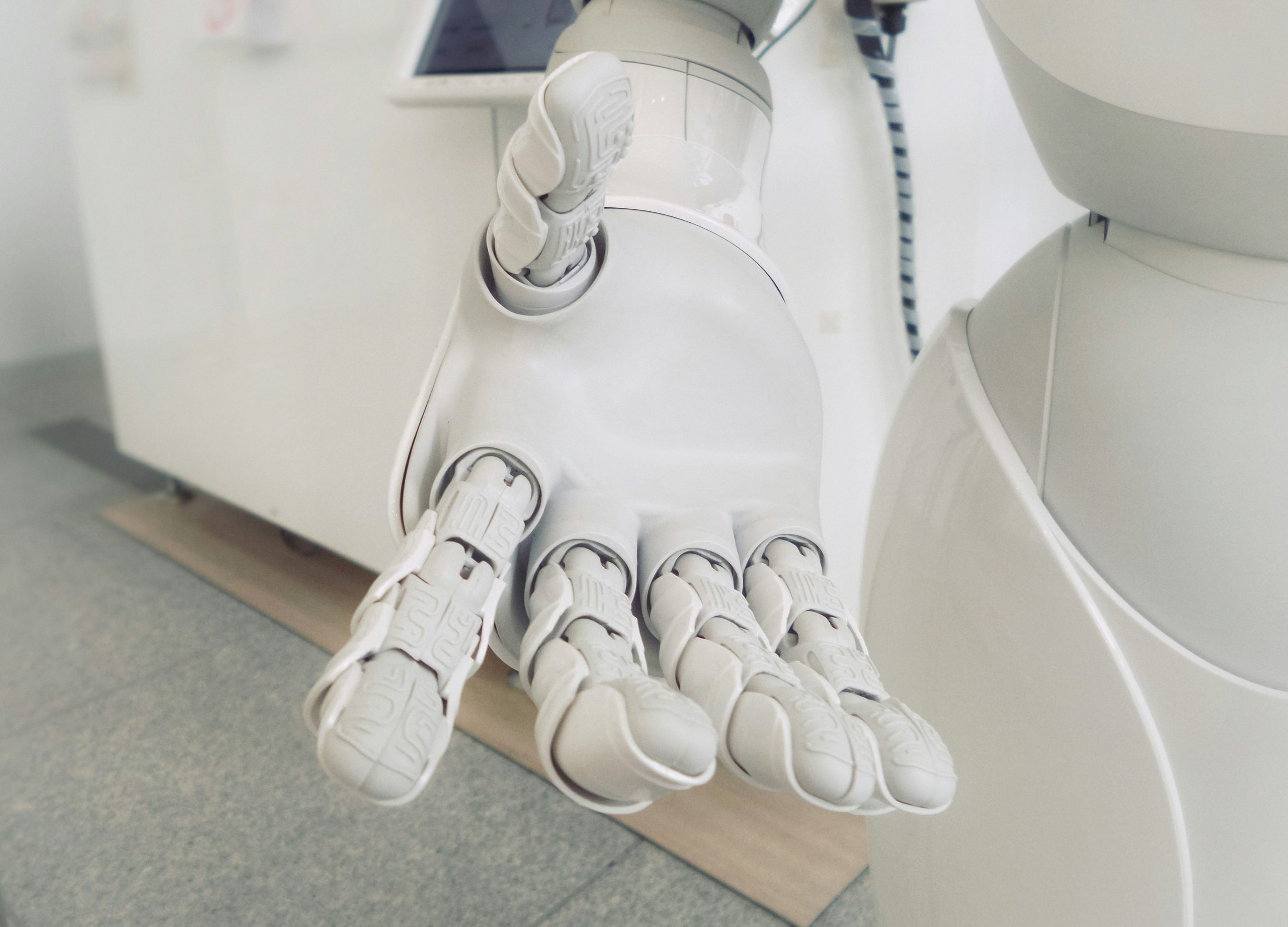
Japan’s national strategy for AI robots has transitioned from a mere talking point to a formal plan, with the government confirming the deployment of 10 million AI-powered robots across 18 industries by 2040. This initiative is supported by public funding of up to one trillion yen (approximately US$6.1 billion) over five years.
The significance of this project goes beyond just being a policy wish list. It has been formally commissioned by the government, with the development entrusted to a company that is relatively unknown outside of Japan.
The project, led by Japan’s industry ministry (METI) and its innovation agency (NEDO), involves the collaboration of Noetra and AIST, a national research lab. They aim to create a “physical AI” model that can interpret language, images, video, and sensor data to enable robots to understand and navigate their surroundings, rather than simply following pre-programmed instructions.
Funding for the project is substantial, with the current fiscal year’s allocation totaling around US$2.3 billion. This funding is sourced from GX Economy Transition Bonds, and future funding will be subject to annual reviews based on the project’s progress.
Noetra, the company responsible for building the AI model, is backed by major players like SoftBank, NEC, Sony Group, and Honda, with potential additional involvement from Fujitsu and Rakuten. The collaboration between these companies reflects Japan’s approach of forming consortiums to leverage existing expertise in hardware development for robotics.
The motivation behind Japan’s push for AI robots is rooted in addressing labor shortages caused by an aging population and restrictive migration policies. By introducing AI-powered robots across various sectors such as restaurants, food manufacturing, and medical care, the government aims to enhance productivity and overcome workforce challenges.
Japan’s long-standing experience in robotics, particularly in areas like elder care, disaster response, and manufacturing, serves as a foundation for this ambitious project. The goal is to not only benefit the domestic economy but also to position Japan as a leader in exporting advanced robotics technology.
The timing of Japan’s AI robot plan coincides with similar initiatives in countries like South Korea, indicating a global trend towards prioritizing physical AI as the next frontier in technological competition.
The success of Japan’s AI robot project will hinge on meeting key milestones, starting with the initial stage-gate review. If Noetra can deliver a functional model this fiscal year, it is likely to attract more investors and expand its partnership network. However, if progress stalls, the funding structure allows the government to reassess its support for the project.
In conclusion, Japan’s ambitious AI robot plan signals a strategic shift towards leveraging advanced technology to address societal challenges and drive economic growth. By harnessing the expertise of leading companies and research institutions, Japan aims to pioneer the development of AI-powered robots that will shape the future of various industries.













Explore the Luxury Options with the New BMW i3 Configurator, Reaching a Price of $78,650

Microsoft Executive’s Warning: The Decline of App Pricing Power

Football Manager 27: Get Ready for Kickoff with the Ultimate Match Day Experience Trailer!

Google Pixel 11a: A Closer Look at the Familiar Design

Cerebras Systems’ Andrew Feldman: A Disruptive Force in 2026

The Halide Camera App Revolutionizes iPhone 18 Pro Photography with Full Aperture Control

Google Explores Paid Partnerships with Publishers for AI-Driven Search Results

Siri Home Hub: Apple’s Latest Smart Assistant Set to Debut on October 13

Revolutionizing the Road: BMW i3 Series Unleashes Impressive Performance and Extended Driving Range in 2027

EU Takes Action Against Instagram and Facebook for Violating Illegal Content Rules

Warning: Facebook Creators Face Monetization Loss for Stealing and Reposting Videos

Facebook’s New Look: A Blend of Instagram’s Style

Facebook Compliance: ICE-tracking Page Removed After US Government Intervention

Facebook and Instagram to Reduce Personalized Ads for European Users

InstaDub: Meta’s AI Translation Tool for Instagram Videos

Reclaim Your Account: Facebook and Instagram Launch New Hub for Account Recovery

Meta discontinues Messenger apps for Windows and macOS

Breaking Updates: Meta Connect 2025 Unveils Latest Developments

Huawei P Smart – Huawei’s new Killer Budget Smartphone!

MYSTERY Package from Xiaomi – HUGE UNBOXING!

5 ways you’re using your Smartphone wrong.

THE INSANE DUAL BATTERY SMARTPHONE!

ELEPHONE U PRO UNBOXING AND REVIEW!

Mrwhosetheboss – 1 Million Subscribers

The Surprising TRUTH about Samsung – 15 things you did not know.

10 Incredible Android DIY Hacks!

Does a Cheap 2018 Smartphone beat a 2013 Flagship?
-
 Facebook11 months ago
EU Takes Action Against Instagram and Facebook for Violating Illegal Content Rules
-
 Facebook12 months ago
Warning: Facebook Creators Face Monetization Loss for Stealing and Reposting Videos
-
 Facebook10 months ago
Facebook’s New Look: A Blend of Instagram’s Style
-
 Facebook12 months ago
Facebook Compliance: ICE-tracking Page Removed After US Government Intervention
-
 Facebook10 months ago
Facebook and Instagram to Reduce Personalized Ads for European Users
-
 Facebook12 months ago
InstaDub: Meta’s AI Translation Tool for Instagram Videos
-
 Facebook10 months ago
Reclaim Your Account: Facebook and Instagram Launch New Hub for Account Recovery
-
 Apple11 months ago
Meta discontinues Messenger apps for Windows and macOS
