
Apple
Thankful Siri AI isn’t my personal trainer

Victoria Song, the senior reviewer at Verge, sends out Optimizer, a weekly newsletter that delves into and explores the latest gadgets and innovations promising to revolutionize your life. This edition is a special early release tied to The Verge’s WWDC coverage, with the next issue expected at its regular time next Friday. To subscribe to Optimizer, click here.
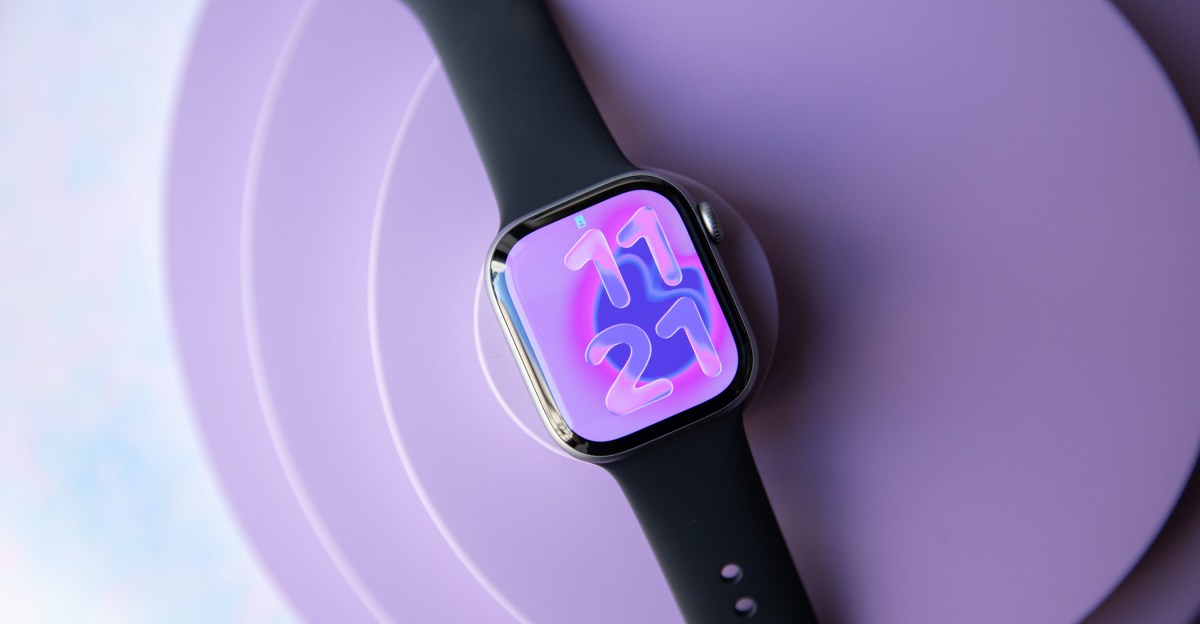
For the past 11 years, Apple has maintained a hands-off approach when it comes to dictating how individuals manage their health. The Health app and Apple Watch allow users to track various metrics like steps, workouts, and sleep quality, as well as monitor long-term trends such as changes in resting heart rate. Users can receive alerts for potential health conditions like sleep apnea, hypertension, and atrial fibrillation based on their devices. However, beyond encouraging users to meet activity goals or seek medical advice if necessary, Apple leaves it up to individuals to interpret and act on their health data.
During this year’s WWDC keynote, Apple’s health approach appeared markedly different from what was showcased at Google I/O. Google is heavily investing in AI health solutions, promoting features like Google Health Coach as a key selling point for devices like the Fitbit Air. Competitors like Oura, Whoop, Garmin, and Withings have also integrated AI into their platforms, offering features such as personalized workout plans, meal tracking, and data interpretation.
At WWDC, health features took a back seat, with the focus primarily on Siri and Apple Intelligence enhancements. While watchOS 27 introduced updates like Workout Buddy available in Spanish and improved fitness data readouts, the spotlight was on improving Siri’s capabilities rather than revolutionizing health features. Apple’s website highlighted several AI health and fitness updates, including more accurate algorithms for treadmill distance and data syncing improvements.
Some industry analysts suggest that Apple may be lagging behind in health AI and wearables. Reports of Project Mulberry, an AI coach and doctor, being scaled back, along with key health executives departing, have raised concerns. Meanwhile, screenless trackers like Whoop and Oura Ring are gaining popularity, leading to calls for Apple to innovate or risk falling behind with the Series 12.
Despite these criticisms, I remain cautious about the proliferation of AI health coaches. Many AI health features are cumbersome to train and require excessive personal data to be effective. Current AI health insights often offer little more than basic summaries of data, failing to provide substantial value beyond what can be achieved through a simple Google search.
While the Health app could benefit from a redesign to reduce clutter, the broader issue lies in consumer fatigue from overwhelming data. A significant portion of current AI health tech is perceived as cash-grabs, lacking meaningful utility for users. The potential of AI to revolutionize consumer health tracking remains largely untapped, with many features underwhelming users and reviewers.
Looking ahead, the future of AI in healthcare holds promise but requires thoughtful implementation. Rushing to incorporate AI may benefit investors but risks alienating users with subpar experiences. A successful AI health solution should prioritize utility for users with various health conditions, providing meaningful support and guidance beyond generic data analysis.
In conclusion, while the allure of quick AI solutions may be tempting, a more deliberate and thoughtful approach is essential. Consumer health tech is currently in a state of disarray, with AI exacerbating data fatigue rather than alleviating it. Big Tech companies like Apple should pause and carefully consider the impact of their AI health implementations to ensure they genuinely add value and enhance user experiences.











Unusual Sight: Quadruple Pipes Spotted in Munich

Wolverine: A Divisive Marvel Adventure

Galaxy Tab S12: Confirmed Release Date Revealed – Tech Advisor

Fitbit Charge 7: The Next Evolution in Fitness Tracking – Tech Advisor

Chift Secures €10.5 Million Series A Funding to Revolutionize Europe’s Financial Connectivity

The Evolution of Multimedia Content Processing Through AI

The Challenges Faced by Enterprise Agent Pilots in Reaching Deployment Success

The LG G7 has a Big Problem.

Score $2000 Cashback on the MG 4 Urban – Drive Away for Only $29,990!

EU Takes Action Against Instagram and Facebook for Violating Illegal Content Rules

Warning: Facebook Creators Face Monetization Loss for Stealing and Reposting Videos

Facebook Compliance: ICE-tracking Page Removed After US Government Intervention

Facebook’s New Look: A Blend of Instagram’s Style

Facebook and Instagram to Reduce Personalized Ads for European Users

InstaDub: Meta’s AI Translation Tool for Instagram Videos

Reclaim Your Account: Facebook and Instagram Launch New Hub for Account Recovery

Meta discontinues Messenger apps for Windows and macOS

Breaking Updates: Meta Connect 2025 Unveils Latest Developments
The LG G7 has a Big Problem.

The most Beautiful Android Games you’ve never played.

Charge your Smartphone in 5 Minutes – How Batteries are about to Change!

10 CHEAP Smartphone Gadgets that Change Everything.

Huawei Mobile Cloud – The Huawei P20 Feature you didn’t know about!

PUBG MOBILE on Android – Disastrous or Revolutionary?

Why you should buy the Galaxy S8 right now.

Customize your Android Smartphone!

Xiaomi Mi Mix 2S Review – Beauty and the BEAST.
-
 Facebook11 months ago
EU Takes Action Against Instagram and Facebook for Violating Illegal Content Rules
-
 Facebook11 months ago
Warning: Facebook Creators Face Monetization Loss for Stealing and Reposting Videos
-
 Facebook11 months ago
Facebook Compliance: ICE-tracking Page Removed After US Government Intervention
-
 Facebook9 months ago
Facebook’s New Look: A Blend of Instagram’s Style
-
 Facebook9 months ago
Facebook and Instagram to Reduce Personalized Ads for European Users
-
 Facebook11 months ago
InstaDub: Meta’s AI Translation Tool for Instagram Videos
-
 Facebook9 months ago
Reclaim Your Account: Facebook and Instagram Launch New Hub for Account Recovery
-
 Apple11 months ago
Meta discontinues Messenger apps for Windows and macOS
