
Cars
Toyota Settles $750 Million Class Action Lawsuit Over HiLux and Prado DPF Issues

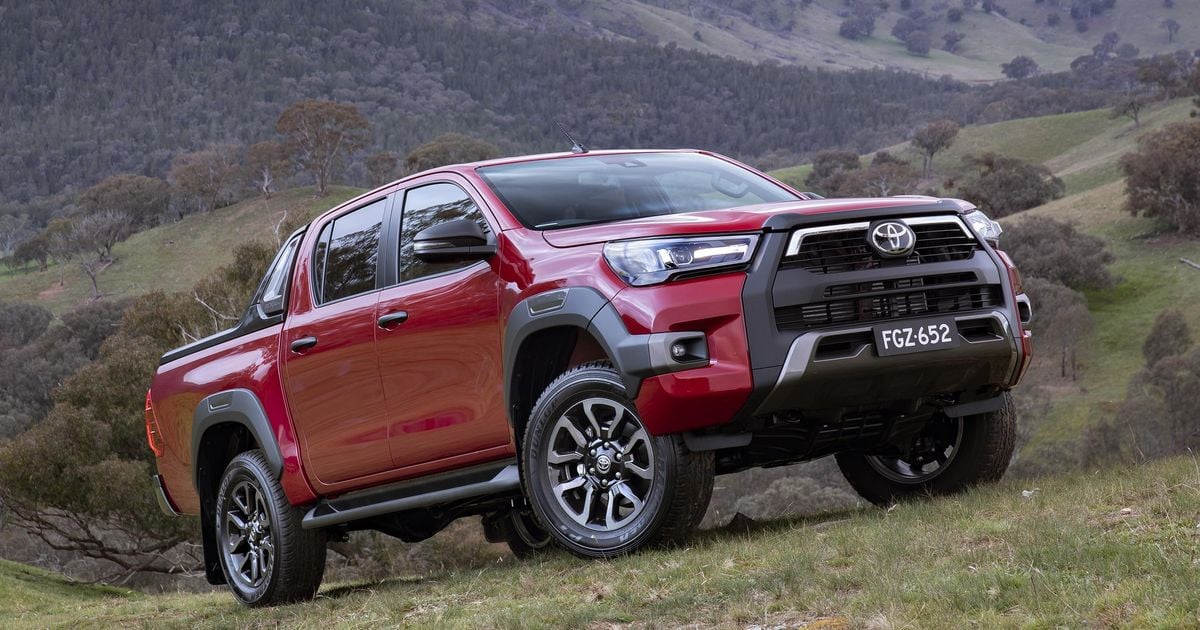
Toyota Australia Settles $750 Million Class Action Over Defective DPFs
Toyota Australia has reached a $750 million settlement agreement to resolve two class action lawsuits involving faulty diesel particulate filters (DPFs) installed in HiLux, Prado, and Fortuner vehicles. The settlement covers 264,170 vehicles purchased in Australia between October 1, 2015, and April 23, 2020, including those subsequently sold by their original owners.
A spokesperson for Toyota Australia confirmed the settlement, pending court approval, emphasizing the company’s commitment to assisting affected customers. The free-of-charge remedy, available since 2020, underscores Toyota’s dedication to customer trust, which has been a cornerstone of the brand for over 70 years.
The original Williams class action, initiated in 2019, encompasses buyers who acquired affected vehicles during the specified period, including second-hand purchasers. The Taylor class action, launched in July 2025, focuses on owners who privately bought affected vehicles between April 24, 2020, and July 31, 2025, directly from the original owners.
Customers impacted by the faulty DPFs are urged to contact their legal representatives for further guidance on the settlement.
Background and Resolution
The $750 million settlement surpasses Toyota Australia’s previous record profit, highlighting the significance of the case. The agreement awaits approval from the Federal Court of Australia.
Diesel particulate filters (DPFs) are designed to trap soot from the exhaust of diesel engines, burning it off periodically through a process called regeneration. Toyota Australia introduced DPFs to diesel HiLux vehicles in October 2015.
Following the class action lawsuits, the Federal Court determined that the affected vehicles did not meet acceptable quality standards due to defective DPF systems. Additionally, Toyota was found to have engaged in misleading conduct during the marketing and sale of these vehicles.
The defects in the DPFs could lead to blockages, causing issues such as excessive white smoke, higher fuel consumption, and frequent unscheduled maintenance and repairs.
The affected HiLux models feature 2.4-litre and 2.8-litre turbo-diesel engines, while the Prado and Fortuner share the 2.8-litre engine family. Toyota implemented several measures to address the issue, including a manual DPF regeneration switch and updated exhaust system hardware and software.
Legal Proceedings and Compensation
The Federal Court initially assessed the vehicles’ diminished value at 17.5% of their average retail price, a figure later reduced to 10% by the Full Federal Court in 2023. However, the High Court ruled in 2024 that the reduction was unwarranted, prompting a reassessment of compensation by the Federal Court.
Despite the challenges posed by the DPF issues, Toyota Australia continues to offer diesel HiLux models powered by the 2.8-litre turbo-diesel engine, now equipped with 48V mild-hybrid technology in select variants. The latest Toyota Prado, introduced in 2024, also features this technology across all trim levels.
Looking ahead, Toyota Australia anticipates a strong finish to 2026, aiming to maintain its position as the country’s top auto brand for the 31st consecutive year. The company remains committed to delivering high-quality vehicles and exceptional customer service.
MORE: Discover the Latest Toyota Models












Toyota Settles $750 Million Class Action Lawsuit Over HiLux and Prado DPF Issues

Microsoft’s AI Chip Reduces Dependence on Nvidia GPUs

The Rise of AI: Epic’s New Disney Shooter with Marvel and Star Wars Characters

Samsung Unveils Exclusive Galaxy Z Fold 8 Limited Edition Model

Say Goodbye to Samsung Headaches with the Galaxy S27: A Tech Advisor Review

WindBorne’s Balloon Data Solution Secures Major US Air Force Contract

The Social Reckoning: A Box Office Bust

Exploring the Universe: No Man’s Sky Lands on iPhone and iPad

INCREDIBLE Smartphone Gadgets on Amazon!

EU Takes Action Against Instagram and Facebook for Violating Illegal Content Rules

Warning: Facebook Creators Face Monetization Loss for Stealing and Reposting Videos

Facebook’s New Look: A Blend of Instagram’s Style

Facebook Compliance: ICE-tracking Page Removed After US Government Intervention

Facebook and Instagram to Reduce Personalized Ads for European Users

InstaDub: Meta’s AI Translation Tool for Instagram Videos

Reclaim Your Account: Facebook and Instagram Launch New Hub for Account Recovery

Meta discontinues Messenger apps for Windows and macOS

Breaking Updates: Meta Connect 2025 Unveils Latest Developments
INCREDIBLE Smartphone Gadgets on Amazon!

10 Android Apps you NEED to try in 2017 / 2018

The Most Bizarre Smartphone we’ve seen all year.

Best Tech under $2000 – December 2017 / January 2018!

This could be your next Smartphone.

Top 10 most INSANE Limited Edition Smartphones!

How Smart is the AI-Powered Huawei Mate 10 – with EMUI 8.0?

I used a 2012 Smartphone in 2018 – Here’s what happened.

How to send ANY file Anywhere!
-
 Facebook12 months ago
EU Takes Action Against Instagram and Facebook for Violating Illegal Content Rules
-
 Facebook12 months ago
Warning: Facebook Creators Face Monetization Loss for Stealing and Reposting Videos
-
 Facebook10 months ago
Facebook’s New Look: A Blend of Instagram’s Style
-
 Facebook12 months ago
Facebook Compliance: ICE-tracking Page Removed After US Government Intervention
-
 Facebook10 months ago
Facebook and Instagram to Reduce Personalized Ads for European Users
-
 Facebook12 months ago
InstaDub: Meta’s AI Translation Tool for Instagram Videos
-
 Facebook10 months ago
Reclaim Your Account: Facebook and Instagram Launch New Hub for Account Recovery
-
 Apple12 months ago
Meta discontinues Messenger apps for Windows and macOS
