
Inovation
Unlocking the Future: NPL Harnesses NVIDIA Ising AI for Quantum Computing Advancements

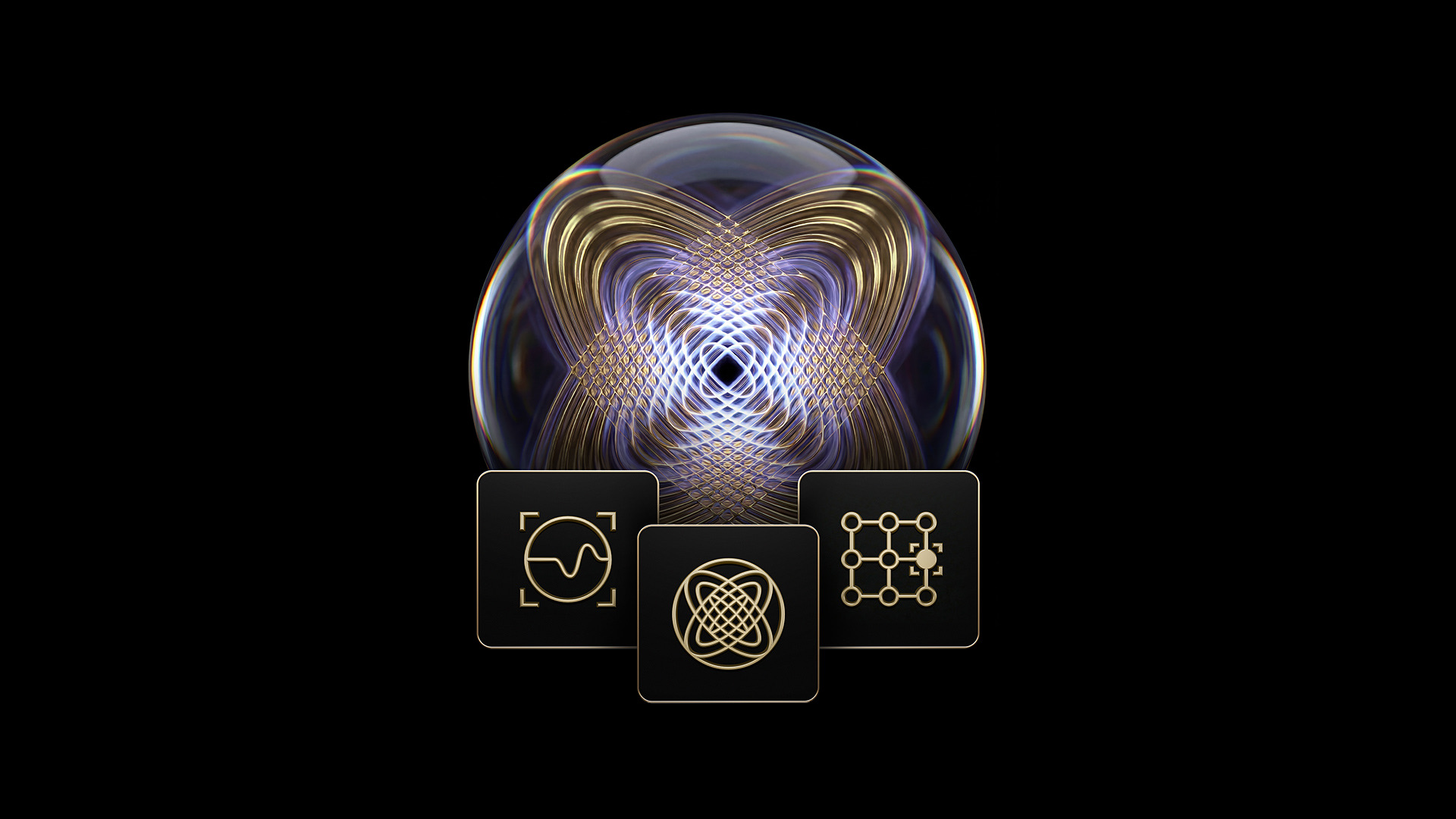
The UK’s National Physical Laboratory (NPL) has implemented NVIDIA Ising AI to streamline quantum calibration.
NPL has integrated NVIDIA-powered artificial intelligence into the measurement and calibration processes of quantum computers, aiming to facilitate the transition of the technology from experimental to scalable platforms.
The incorporation of NVIDIA Ising tools into NPL’s existing quantum measurement infrastructure is at the core of this endeavor.
As the UK’s National Metrology Institute, NPL is entrusted with establishing precise measurement standards for emerging technologies.
Within the Institute for Quantum Standards and Technology (IQST) at NPL, researchers are dedicated to enhancing the characterization, calibration, and benchmarking of quantum devices, particularly quantum computers.
Enhancing Quantum Calibration Efficiency through Automation
One of the primary challenges in quantum computing revolves around managing qubits, the fundamental units of quantum information.
Due to their high sensitivity, qubit performance is affected by environmental noise, instability, and device-level imperfections. As quantum processors scale up, maintaining stable qubit behavior becomes increasingly complex.
NPL’s adoption of NVIDIA Ising technology directly addresses this challenge. By incorporating AI-driven tools into calibration workflows, the organization aims to automate processes that traditionally required manual oversight by specialists.
This transition is expected to reduce operational overhead while enhancing measurement consistency.
Quantifying Qubit Stability
The performance of qubits is often assessed using coherence metrics, with a particular focus on the relaxation time, known as T1.
T1 reflects the duration for which a qubit remains in an excited state before returning to its ground state. However, T1 measurements are dynamic and can fluctuate over time or due to external interference.
Traditionally, monitoring these fluctuations necessitated repetitive manual checks. Through NVIDIA Ising Calibration, NPL has demonstrated the automation of such analyses.
Utilizing a trained vision-language model, the system can determine the stability of qubit coherence and differentiate between various types of instability, including sudden changes and gradual degradation.
This capability enables swift identification of performance issues and offers actionable insights to refine system behavior.
Evaluating AI Performance in Quantum Systems
In conjunction with implementing NVIDIA Ising, NPL has engaged in collaborative efforts to develop a benchmarking suite for assessing AI methods in quantum calibration. The analysis of qubit coherence stability serves as a pivotal test case within this framework.
This benchmarking initiative builds upon prior research indicating that machine learning can expedite the characterization of quantum devices.
Aside from efficiency enhancements, these approaches offer deeper insights into the physical mechanisms contributing to noise in quantum systems.
Empowering the UK Quantum Ecosystem
This collaboration aligns with NPL’s broader objective of establishing transparent benchmarking standards for quantum computing.
Reliable metrics are increasingly recognized as crucial for guiding investment decisions and facilitating the commercialization of quantum hardware.
By integrating NVIDIA Ising into its measurement systems, NPL contributes to the development of robust evaluation frameworks in line with the UK’s National Quantum Technologies Programme (NQTP).
Scaling AI-Driven Calibration
Looking ahead, the upcoming phase of the project will concentrate on expanding AI-based calibration techniques to accommodate larger and more intricate quantum systems.
Equally significant is the establishment of assurance frameworks to validate the outcomes of AI tools utilized in quantum measurement.
Ensuring trust in these systems is imperative as automation becomes more deeply integrated into quantum computing workflows. The integration of NVIDIA Ising represents an initial yet substantial step towards this objective.









Pushing the Limits: Customizing Our Ultimate 2027 BMW 3 Series

AMD’s FSR 4.1 Enhancements Coming to Xbox Consoles and Handhelds

Introducing Kindle Plus: Your All-in-One Reading and Listening Experience

Solidarity in Ashes: A Charcoal Tale of Love and Rebellion

Android 17’s Advanced Security Feature: Safeguarding Stolen Phones

Mastering Property Damage Insurance Claims: A Guide to Navigating the Process

Tech Giants OpenAI, Anthropic, and Nvidia Break Records with Lobbying Quarters

Important Update: Permanent Daylight Saving Time Implemented in Parts of Canada for Android Users

Next-Generation iPhone Duo 2: Revolutionary Under-Display Face ID Technology Put to the Test

EU Takes Action Against Instagram and Facebook for Violating Illegal Content Rules

Warning: Facebook Creators Face Monetization Loss for Stealing and Reposting Videos

Facebook’s New Look: A Blend of Instagram’s Style

Facebook Compliance: ICE-tracking Page Removed After US Government Intervention

Facebook and Instagram to Reduce Personalized Ads for European Users

InstaDub: Meta’s AI Translation Tool for Instagram Videos

Reclaim Your Account: Facebook and Instagram Launch New Hub for Account Recovery

Meta discontinues Messenger apps for Windows and macOS

Breaking Updates: Meta Connect 2025 Unveils Latest Developments

Should you buy your Smartphones Refurbished!?

6 Amazing SECRET Android Launchers (2017 / 2018)

6 Value for Money Tech Products you NEED to try!

iPhone X Helicopter 1200ft Drop Test!! + Mous Case Review

7 UNBELIEVABLE Smartphone Magic Tricks!

Oneplus 5T vs Oneplus 1 – 3 Years Later.

Top 20 BEST Smartphones of 2017!

5 Amazing Upcoming Smartphone Features – 2018 / 2019

ULTIMATE Power Banks / The Best Power Banks (2017-2018)
-
 Facebook12 months ago
EU Takes Action Against Instagram and Facebook for Violating Illegal Content Rules
-
 Facebook1 year ago
Warning: Facebook Creators Face Monetization Loss for Stealing and Reposting Videos
-
 Facebook11 months ago
Facebook’s New Look: A Blend of Instagram’s Style
-
 Facebook1 year ago
Facebook Compliance: ICE-tracking Page Removed After US Government Intervention
-
 Facebook11 months ago
Facebook and Instagram to Reduce Personalized Ads for European Users
-
 Facebook1 year ago
InstaDub: Meta’s AI Translation Tool for Instagram Videos
-
 Facebook11 months ago
Reclaim Your Account: Facebook and Instagram Launch New Hub for Account Recovery
-
 Apple1 year ago
Meta discontinues Messenger apps for Windows and macOS
