
Startups
AI’s Redefinition of the Space Race: Europe’s Looming Obsolescence

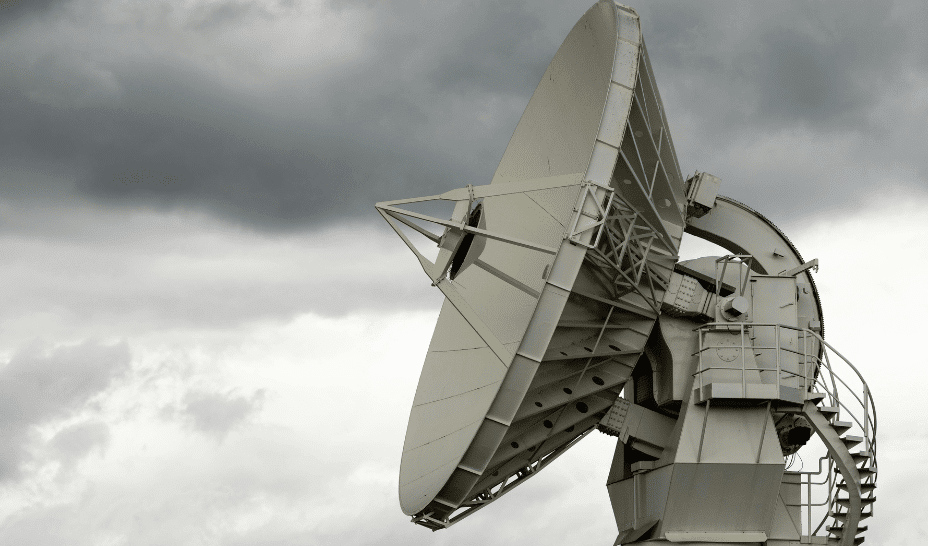
Satellites have come a long way from being large, costly, and stationary in orbit for decades. In the past, these satellites primarily supported navigation, weather tracking, and disaster response. However, in today’s world, satellites have evolved to become essential components for modern armies, providing support for command and control, precision targeting, secure communication, early warning systems, logistics, and intelligence operations.
The current landscape of satellite technology is marked by rapid changes driven by market demands and advancements in technology. Satellites that were once as large as buses are now as small as basketballs. This transformation has pushed satellite operators to refresh their hardware more frequently to keep up with the evolving demands of multiple missions, beam steering, and fluctuating capacity needs.
One of the key drivers of this evolution is the increasing role of artificial intelligence (AI) in space technology. AI has the potential to revolutionize satellite operations by enabling real-time pattern detection, dynamic capacity management, and autonomous decision-making. By leveraging AI, satellites can allocate bandwidth more efficiently, improve network resilience, and enhance overall operational performance in contested environments.
Furthermore, AI is poised to shift the paradigm of data processing in satellite operations. Currently, most data interpretation happens on the ground, requiring massive resources and time. By enabling satellites to process data in orbit and transmit only relevant information, significant cost savings can be achieved. This shift can also accelerate decision-making processes in critical sectors like defense, where timely actions are crucial.
As AI continues to reshape the satellite industry, there is a growing need for AI startups to play a significant role in driving innovation and competitiveness in the space race. Policymakers in Europe, in particular, are urged to prioritize AI adoption to keep pace with global leaders like the US and China. This shift may require a cultural change in Europe’s approach to funding, procurement, and public-private collaboration in space and defense sectors.
In conclusion, the integration of AI into satellite technology is set to revolutionize the way we perceive and utilize space assets. By embracing AI-driven solutions, governments and populations can harness the full potential of satellites for various applications, from defense to logistics. The future of space technology lies in the hands of those who dare to innovate and adapt to the changing landscape of satellite operations. “Change the following”













The Best Android Launcher of 2018?

135 Ultimate Performance Machines: A Collection of 1M Coupes and E30 M3s

ShinyHunters Suspect Rey Held in Jordan, Assisting FBI in Uncovering Group Members

Navigating the Uncharted: A Crimson Desert Expansion

FRITZ!OS 8.50 Launches with Enhanced Features: DNS Filtering, Automatic Prioritization, and Matter Bridge Support

The Future of AI Adoption: Exploring the 2% of Consumers Embracing Super Intelligence

Apple’s Testimony: The Case for Removing ICEBlocks

Tesla’s Groundbreaking Feature: Use at Your Own Risk

NO GAME NO LIFE: Grasshopper Manufacture’s Indie Leap

EU Takes Action Against Instagram and Facebook for Violating Illegal Content Rules

Warning: Facebook Creators Face Monetization Loss for Stealing and Reposting Videos

Facebook’s New Look: A Blend of Instagram’s Style

Facebook Compliance: ICE-tracking Page Removed After US Government Intervention

Facebook and Instagram to Reduce Personalized Ads for European Users

InstaDub: Meta’s AI Translation Tool for Instagram Videos

Reclaim Your Account: Facebook and Instagram Launch New Hub for Account Recovery

Meta discontinues Messenger apps for Windows and macOS

Breaking Updates: Meta Connect 2025 Unveils Latest Developments
The Best Android Launcher of 2018?

Faraday Future FF 91 – 1050 Horsepower Madness!

The Truth about the OnePlus 5T – REAL Review.

Concept Smartphones that are better than Real Smartphones

Samsung Galaxy SII Unboxing!

The SECRET to Maximise Smartphone Battery Life?

We Designed the Ultimate Gaming Smartphone of 2018!

Using the Cheapest Smartphone in the World.

Samsung Galaxy S9+ Unboxing! (Clone)
-
 Facebook12 months ago
EU Takes Action Against Instagram and Facebook for Violating Illegal Content Rules
-
 Facebook12 months ago
Warning: Facebook Creators Face Monetization Loss for Stealing and Reposting Videos
-
 Facebook10 months ago
Facebook’s New Look: A Blend of Instagram’s Style
-
 Facebook12 months ago
Facebook Compliance: ICE-tracking Page Removed After US Government Intervention
-
 Facebook10 months ago
Facebook and Instagram to Reduce Personalized Ads for European Users
-
 Facebook12 months ago
InstaDub: Meta’s AI Translation Tool for Instagram Videos
-
 Facebook10 months ago
Reclaim Your Account: Facebook and Instagram Launch New Hub for Account Recovery
-
 Apple12 months ago
Meta discontinues Messenger apps for Windows and macOS
