
Apple
The Reign of the iPhone: How Apple Dominated the Tech World

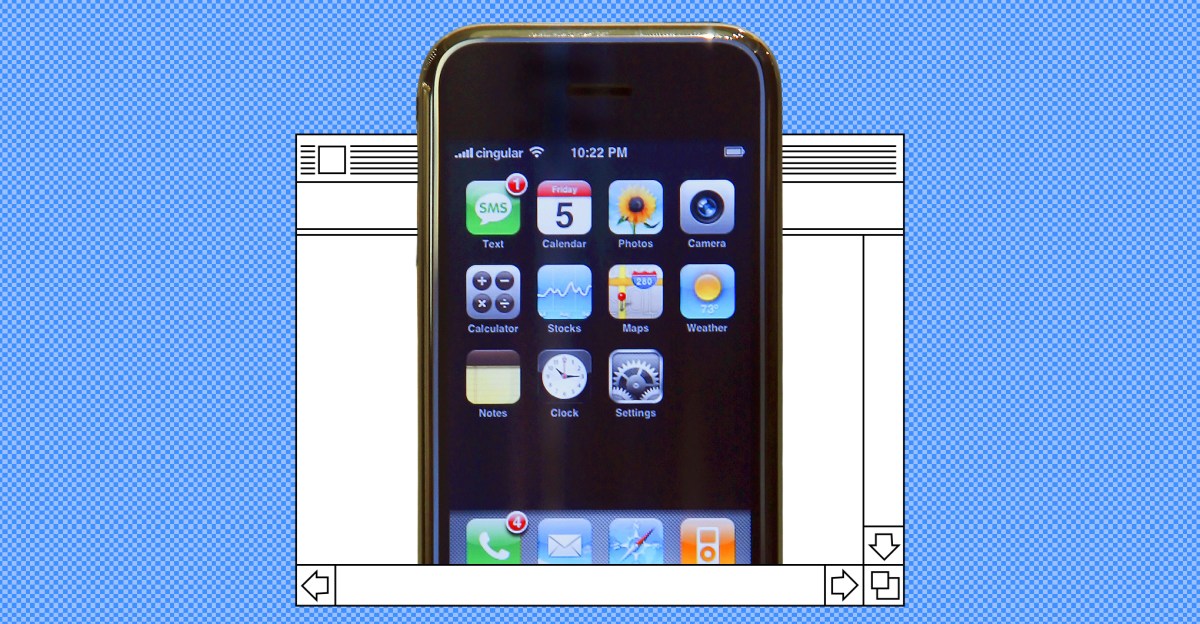
Apple’s 50th Anniversary: A Look Back at the iPhone Revolution
This article is part of our series on Apple’s 50th anniversary. Learn more here.
The iPhone, a device that redefined the tech industry, was a product that exceeded all expectations. It continues to dominate the market even today.
Apple’s first iPhone, launched almost two decades ago, showcased the company’s ability to turn technological limitations into design features. Despite its constraints, the iPhone was a breakthrough in the industry.
“The first iPhone was nothing but limitations, but those limitations became opportunities.”
Apple faced internal debates on the phone’s development, ultimately choosing a cut-down Mac OS X foundation. This decision led to the elimination of certain features to ensure the device’s functionality. For instance, copy and paste was not available until two years later.
During its early days, the iPhone did not have an app store, relying solely on preinstalled apps. Apple even developed its own Google Maps and YouTube apps to control user experience. This strategy allowed the company to focus on perfecting key features like the multitouch display and touchscreen keyboard.
Despite running on an aging 2G network, the iPhone offered full Wi-Fi support and a robust web browser. This exclusivity arrangement with AT&T set it apart from other smartphones of that time.
Apple’s iPhone keynote, highlighting its capabilities as a “widescreen iPod,” “revolutionary mobile phone,” and “breakthrough internet communications device,” set the stage for its transformative impact on the industry.
Competitors like BlackBerry soon realized the iPhone’s potential to redefine the market, leading to a shift in focus towards smartphones as powerful computing devices.
Apple’s ability to turn limitations into opportunities set it apart in the smartphone market. Competing devices failed to match the iPhone’s user experience, leading to their eventual discontinuation.
“Somewhere along the way, Apple literally ran out of people to sell iPhones to.”
Apple’s shift towards maximizing revenue from existing iPhone users reshaped the software economy and influenced global antitrust policies.
The company’s strong-arm tactics with developers and app store policies generated controversy but also drove significant revenue growth.
Apple’s supply chain excellence, driven by Tim Cook, enabled the seamless production of millions of iPhones annually, establishing a manufacturing base that set industry standards.
The iPhone’s impact extended beyond the tech industry, influencing media, culture, and politics. It laid the foundation for the smartphone-dominated world we live in today.
As Apple continues to innovate with each new iPhone release, the question remains: how will we evolve in response to these groundbreaking devices?









Unleashing Potential: Overcoming Limitations

Uncovering the Bystander Problem: Insights from a Former AWS Security Engineer on Amazon’s Bee AI Devices

Arizona Sunshine: Unleashing the Doggy Co-op Mode in January

International Collaboration: Surrey, Sheffield, and Melbourne Join Forces on £3.2m Project to Create Provably Secure Sandbox for AI Agents

Tech Advisor Announces Samsung Galaxy Phones Now Available on Google Play Store

Exploring the Boundaries of Physical AI: Insights from an Nvidia Veteran Turned Investor

The Latest Updates on Apple’s iPhone Duo

Google Unveils Revolutionary ‘Universal’ Online Shopping Cart for Seamless Shopping Experience

Upgrade Alert: HomePod Mini 2 and HomePod 2 Set to Become Default Mac Speakers

EU Takes Action Against Instagram and Facebook for Violating Illegal Content Rules

Warning: Facebook Creators Face Monetization Loss for Stealing and Reposting Videos

Facebook’s New Look: A Blend of Instagram’s Style

Facebook Compliance: ICE-tracking Page Removed After US Government Intervention

Facebook and Instagram to Reduce Personalized Ads for European Users

InstaDub: Meta’s AI Translation Tool for Instagram Videos

Reclaim Your Account: Facebook and Instagram Launch New Hub for Account Recovery

Meta discontinues Messenger apps for Windows and macOS

Breaking Updates: Meta Connect 2025 Unveils Latest Developments

Finally Fixing my Wi-Fi – Zyxel Multy X!

$25,000 Gaming Setup – EVOLUTION!

The Maze Alpha X is HERE!

Cool Tech under $100 – December!

MYSTERY UNBOXING FROM GOOGLE!

TOP 6 Smartphones from Companies you NEVER Expected!

A Surprise Smartphone from EE!

DOOGEE MIX 2 VS DOOGEE MIX 1!

INCREDIBLE Smartphone Gadgets on Amazon!
-
 Facebook12 months ago
EU Takes Action Against Instagram and Facebook for Violating Illegal Content Rules
-
 Facebook1 year ago
Warning: Facebook Creators Face Monetization Loss for Stealing and Reposting Videos
-
 Facebook10 months ago
Facebook’s New Look: A Blend of Instagram’s Style
-
 Facebook1 year ago
Facebook Compliance: ICE-tracking Page Removed After US Government Intervention
-
 Facebook10 months ago
Facebook and Instagram to Reduce Personalized Ads for European Users
-
 Facebook1 year ago
InstaDub: Meta’s AI Translation Tool for Instagram Videos
-
 Facebook11 months ago
Reclaim Your Account: Facebook and Instagram Launch New Hub for Account Recovery
-
 Apple12 months ago
Meta discontinues Messenger apps for Windows and macOS
