
Mobile Tech
Browser-Based AI: Exploring the Possibilities with ChatGPT Atlas

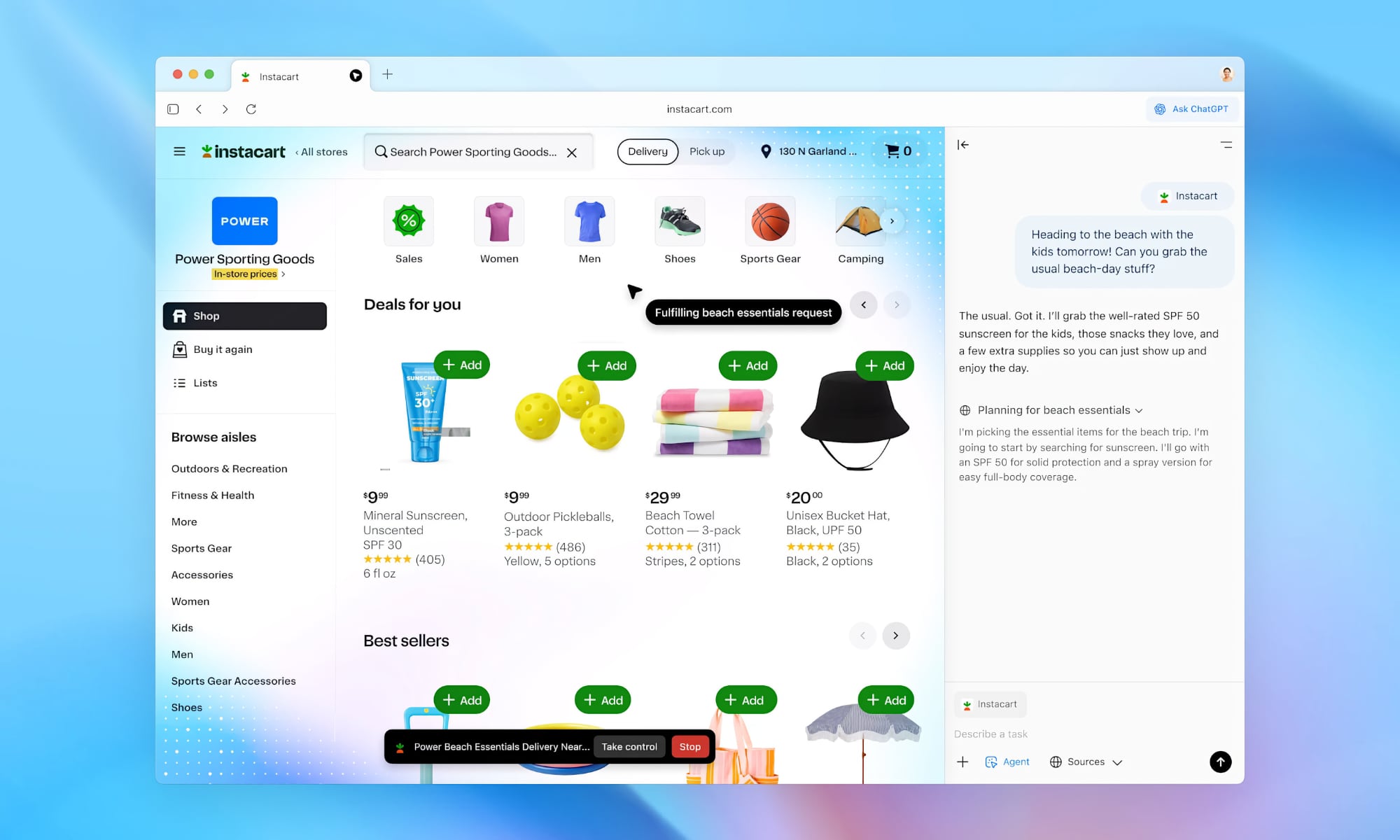
OpenAI has recently introduced a new browsing experience called ChatGPT Atlas, which integrates their AI technology directly into the surfing experience. This new browser is designed to make navigating the web more seamless and efficient, with ChatGPT serving as a companion to help users find relevant information quickly and easily.
While ChatGPT has been available on the web for some time, OpenAI has been expanding its capabilities beyond just conversation. Last year, they introduced “SearchGPT,” a feature that allowed the chatbot to function as a search engine, providing near-real-time information in response to queries. This functionality has since been integrated into ChatGPT as a core feature.
With the launch of ChatGPT Atlas, OpenAI is taking the next step in integrating AI technology into the browsing experience. The browser, which is currently available on macOS with versions for Windows, iOS, and Android coming soon, is designed to revolutionize how people use the internet. OpenAI CEO Sam Altman described Atlas as the future of internet usage, with ChatGPT acting as a guide to help users navigate the web more effectively.
One of the key features of Atlas is its split-screen view, which allows users to view webpages alongside a ChatGPT transcript. This enables users to continue conversing with the chatbot while browsing, making it easier to summarize content or drill down through information. Additionally, ChatGPT’s AI capabilities make it easier to search for content in browser history based on context, rather than just titles or URLs.
Users can access ChatGPT with a keyboard shortcut, allowing them to refine text while composing emails or documents without having to switch tabs. Subscribers to ChatGPT Plus and Pro will also have access to an “agent mode,” which allows ChatGPT to take actions on their behalf, such as making reservations or editing documents.
Altman emphasized that ChatGPT will never take action without explicit permission from the user, and users can control what parts of their browsing experience are monitored or recorded by the AI. As Atlas continues to develop, the OpenAI team plans to add more features to help users focus on finding and doing what they want on the internet without distractions.
Overall, ChatGPT Atlas represents a new way of browsing the web, with AI technology at its core to enhance the user experience. As the project evolves, OpenAI aims to push the boundaries of what is possible with AI-powered browsing, making it easier and more efficient for users to accomplish their tasks online.













Apple TV 4K: A Vintage First-Gen Retrospective

Unbeatable Deals on Australia’s Most Affordable Seven-Seat Diesel SUV

Forza Horizon 6: Revving Up for a 2027 Release on PS5

Embracing Success: A Geek’s Guide to Conquering the Stereotypes of Villainy

Uncovering the Bronze Age Influence in Paradox’s Afterworld: A Deeper Dive Beyond the Top Five Reference Points

iPhone Duo: The Future of Mobile Dominance

Tech Advisor: The Delayed Android 17 QPR1 Update for Pixel 11

Venture Capital Firm Monte Carlo Capital Secures €13 Million for Fund II to Back Early-Stage DeepTech, AI, and SpaceTech Startups

The Battle Over iPhone Driver’s Licenses: Florida and Rhode Island Stand Firm

EU Takes Action Against Instagram and Facebook for Violating Illegal Content Rules

Warning: Facebook Creators Face Monetization Loss for Stealing and Reposting Videos

Facebook’s New Look: A Blend of Instagram’s Style

Facebook Compliance: ICE-tracking Page Removed After US Government Intervention

Facebook and Instagram to Reduce Personalized Ads for European Users

InstaDub: Meta’s AI Translation Tool for Instagram Videos

Reclaim Your Account: Facebook and Instagram Launch New Hub for Account Recovery

Meta discontinues Messenger apps for Windows and macOS

Breaking Updates: Meta Connect 2025 Unveils Latest Developments

How Smart is the AI-Powered Huawei Mate 10 – with EMUI 8.0?

I used a 2012 Smartphone in 2018 – Here’s what happened.

How to send ANY file Anywhere!

NEW Oneplus 5T Sandstone White Unboxing – The Ultimate Oneplus 5T?

HUAWEI P20 – THE SMARTPHONE REVOLUTION IS HERE?

How OnePlus succeeded when they should have failed.

Samsung sent us THIS! #AD

Ulefone Power 3 – Quad Camera Smartphone that last 2 weeks!

EPIC Smartphone FAILS that people will never forget.
-
 Facebook12 months ago
EU Takes Action Against Instagram and Facebook for Violating Illegal Content Rules
-
 Facebook12 months ago
Warning: Facebook Creators Face Monetization Loss for Stealing and Reposting Videos
-
 Facebook10 months ago
Facebook’s New Look: A Blend of Instagram’s Style
-
 Facebook12 months ago
Facebook Compliance: ICE-tracking Page Removed After US Government Intervention
-
 Facebook10 months ago
Facebook and Instagram to Reduce Personalized Ads for European Users
-
 Facebook12 months ago
InstaDub: Meta’s AI Translation Tool for Instagram Videos
-
 Facebook10 months ago
Reclaim Your Account: Facebook and Instagram Launch New Hub for Account Recovery
-
 Apple12 months ago
Meta discontinues Messenger apps for Windows and macOS
