
The Future of AI: Ensuring Survival through Privacy Commitments

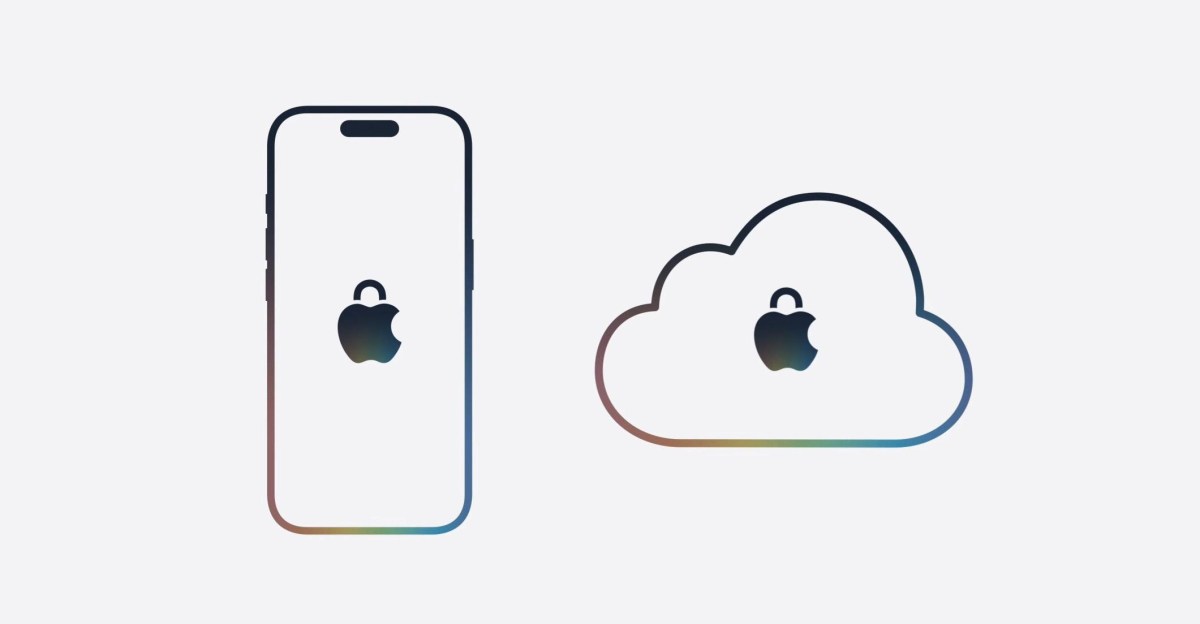
Apple’s Focus on AI with Emphasis on Privacy
During yesterday’s WWDC keynote, Apple showcased its dedication to AI technologies. The company highlighted its deliberate approach to AI development, emphasizing privacy as a core value in its new features.
Apple’s latest advancements in AI, including the updated Siri AI, are designed to seamlessly integrate across multiple devices such as iPhone, iPad, Mac, Apple Watch, and Vision Pro. The new Siri AI app offers a ChatGPT-inspired chatbot experience, AI-powered camera and photo editing capabilities, and the potential for Siri AI to interact with various apps and software on Apple devices.
Apple assures users that regardless of the device used to access the new AI features, data processing will be consistent. Queries will be handled on-device whenever possible, and in the secure Private Cloud Compute system when necessary. Apple emphasizes that user data will not be stored, only used to fulfill requests, and will not be accessible to Apple or any third parties. Conversations logs within the Siri AI app will be stored on-device and in the user’s end-to-end encrypted iCloud account.
Although Apple’s privacy-focused architecture is not new, it has become increasingly important as Apple lags behind competitors in AI development. To bridge this gap, Apple has partnered with Google and Nvidia to enhance its AI capabilities. This collaboration, while beneficial for advancing AI technologies, also poses challenges in maintaining Apple’s stringent privacy standards.
Evolution of Private Cloud Compute
Apple’s Private Cloud Compute, initially announced in 2024, has evolved to incorporate Google Gemini-based cloud AI models. This expansion now utilizes Google Cloud systems with Nvidia GPUs, Intel CPUs, and Google Titan chips. While this change broadens Apple’s AI capabilities, it also introduces concerns about the extended supply chain and potential security vulnerabilities.
Apple’s AI privacy policy, last updated in 2025, highlights the company’s minimal data collection practices for Private Cloud Compute queries. Apple collects limited information such as query size and duration but refrains from gathering content specifics or results. User data and interactions are not used for training foundation models, setting Apple apart from competitors.
Apple’s commitment to privacy stands out amidst the industry’s data collection practices. While Google and other major AI companies gather extensive user data by default, Apple’s more limited data collection approach underscores its dedication to user privacy. This distinction makes Apple an attractive choice for users seeking AI functionality without compromising privacy.
Conclusion
Apple’s emphasis on privacy in its AI developments sets it apart from competitors. The company’s strategic partnerships and evolving AI technologies demonstrate a commitment to providing advanced AI solutions while safeguarding user privacy. As Apple continues to innovate in the AI space, its privacy-centric approach remains a key differentiator in the industry.












HUGE Oneplus 5T Unboxing vs HUGE Oneplus 5 Unboxing – What’s actually changed?

Oneplus 5T vs Samsung Galaxy Note 8!

Samsung Galaxy Note 9 – These features will make it INSANE!

Oneplus 5T vs Pixel 2 XL vs S8 vs iPhone 8 Battery life Drain Test!

Oneplus 5T vs Pixel 2 XL vs S8 vs iPhone 8 Battery Charging Speed Test!

The Affordable Next-Gen Xbox: Debunking the $1,800 Price Tag

Revelation: A New Dawn in the Helldivers Universe

Battery Life Halved by Garmin’s New Voice Controls

Revolutionizing Energy: The Future of Next-Gen Battery Life

EU Takes Action Against Instagram and Facebook for Violating Illegal Content Rules

Warning: Facebook Creators Face Monetization Loss for Stealing and Reposting Videos

Facebook’s New Look: A Blend of Instagram’s Style

Facebook Compliance: ICE-tracking Page Removed After US Government Intervention

Facebook and Instagram to Reduce Personalized Ads for European Users

InstaDub: Meta’s AI Translation Tool for Instagram Videos

Reclaim Your Account: Facebook and Instagram Launch New Hub for Account Recovery

Meta discontinues Messenger apps for Windows and macOS

Breaking Updates: Meta Connect 2025 Unveils Latest Developments
HUGE Oneplus 5T Unboxing vs HUGE Oneplus 5 Unboxing – What’s actually changed?
Oneplus 5T vs Samsung Galaxy Note 8!
Samsung Galaxy Note 9 – These features will make it INSANE!
Oneplus 5T vs Pixel 2 XL vs S8 vs iPhone 8 Battery life Drain Test!
Oneplus 5T vs Pixel 2 XL vs S8 vs iPhone 8 Battery Charging Speed Test!

MY NEW CAR?! (Q&A)

Should you buy your Smartphones Refurbished!?

6 Amazing SECRET Android Launchers (2017 / 2018)

6 Value for Money Tech Products you NEED to try!
-
 Facebook1 year ago
EU Takes Action Against Instagram and Facebook for Violating Illegal Content Rules
-
 Facebook1 year ago
Warning: Facebook Creators Face Monetization Loss for Stealing and Reposting Videos
-
 Facebook11 months ago
Facebook’s New Look: A Blend of Instagram’s Style
-
 Facebook1 year ago
Facebook Compliance: ICE-tracking Page Removed After US Government Intervention
-
 Facebook11 months ago
Facebook and Instagram to Reduce Personalized Ads for European Users
-
 Facebook1 year ago
InstaDub: Meta’s AI Translation Tool for Instagram Videos
-
 Facebook11 months ago
Reclaim Your Account: Facebook and Instagram Launch New Hub for Account Recovery
-
 Apple1 year ago
Meta discontinues Messenger apps for Windows and macOS
