
Gadgets
Unlocking the Potential: Why Google’s Acquisition of Fitbit Air is a Game-Changer

The Fitbit Air has become a sensation in the wearable market, quickly selling out at numerous retailers and sparking a new trend of screen-free fitness tracker bands. This success comes despite the presence of longstanding competitors like Whoop in the market.
Google has achieved this success through a combination of factors, with the affordability of the Fitbit Air being a key selling point at just £84.99/$99. This price point offers a more budget-friendly option compared to other premium fitness trackers like Whoop.
Additionally, the Fitbit brand still holds considerable influence in the market, despite facing challenges in the past. Google’s acquisition of Fitbit and the release of the Air have rejuvenated the brand, with plans to phase out Fitbit devices in favor of Pixel Watch models in the future.
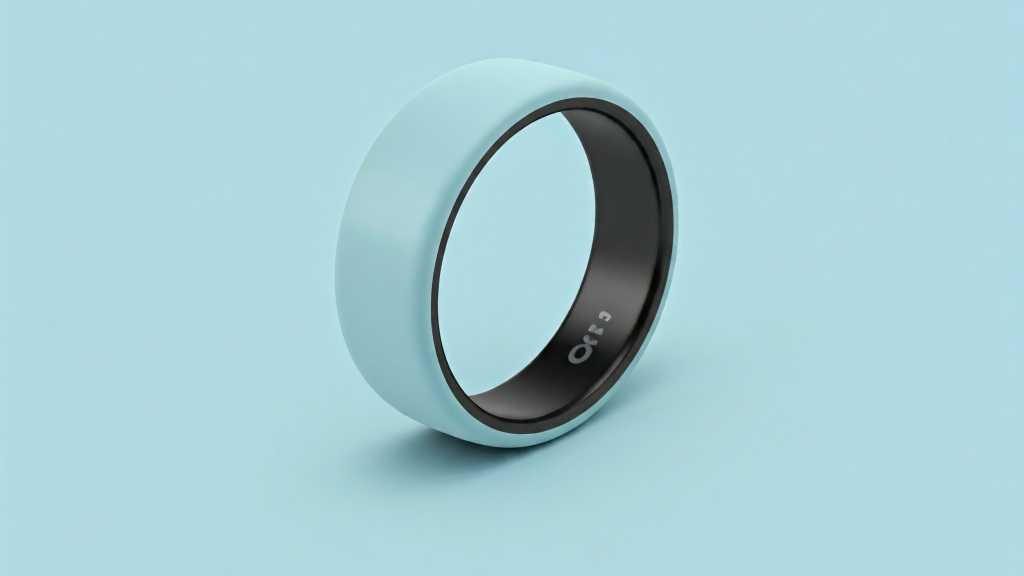
The positive reception and early success of the Fitbit Air present Google with a significant opportunity to expand its wearable technology offerings. One potential product that could capitalize on this momentum is a Fitbit smart ring.
For some time, there have been discussions about Google launching a Pixel Ring, but the Fitbit brand may be a more suitable fit for such a product. Leveraging the strong association of Fitbit with fitness tracking, a Fitbit smart ring could resonate well with consumers.
Utilizing the Fitbit Air Technology
With the Fitbit Air’s technology already established and well-received, Google could easily adapt it for a smart ring design. The transition from a fitness band to a ring form factor would be a straightforward process for a company like Google.
Smart rings typically consist of sensors for data tracking, a battery, and wireless connectivity, components that Google already possesses expertise in. The conversion to a smart ring format would be a natural progression for the Fitbit Air technology.
Google’s existing capabilities put it in a strong position to develop a Fitbit smart ring and expand its wearable product lineup.
Competitive Pricing Strategy
The Fitbit Air’s competitive pricing at under £100/$100 has made it an attractive option for many consumers. By offering a smart ring at a similar price point, Google could capture a significant portion of the market share.
A Fitbit smart ring priced competitively would appeal to consumers looking for an affordable wearable device. Compared to premium smart rings like the Oura Ring and Samsung Galaxy Ring, a Fitbit ring would offer similar functionality at a much lower price.
In addition, affordable devices like the Fitbit Air can serve as entry points for users to subscribe to Google Health services, making them valuable additions to Google’s ecosystem.
Google has the opportunity to fill a gap in the market with a competitively priced Fitbit smart ring.
Complementary Device Strategy
While some may argue that consumers who own a Fitbit Air may not see the need for a smart ring, the two devices can coexist and complement each other. Using both devices simultaneously can provide more comprehensive data insights and potentially extend battery life.
Alternatively, users could switch between the Fitbit Air and a smart ring based on their activities and preferences. This flexibility allows for a personalized approach to wearable technology usage.
For example, wearing the Fitbit Air during physical activities and switching to a smart ring for social occasions or when wearing a traditional watch can cater to different needs throughout the day.
A Fitbit smart ring could also appeal to users who already own a Pixel Watch and are looking for additional tracking capabilities without the need for a Fitbit Air.
The Case for a Fitbit Ring
The concept of a Fitbit Ring aligns well with Google’s data-focused, screen-free approach seen in the Fitbit Air. By offering an affordable smart ring with similar principles, Google could tap into a new market segment and drive subscriptions to Google Health.
A Fitbit Ring would not only attract new users but also complement existing Fitbit Air and Pixel Watch owners, creating a cohesive wearable ecosystem. The potential synergies between these devices could enhance user experiences and promote overall health and wellness.
As Google continues to innovate in the wearable technology space, the introduction of a Fitbit smart ring seems like a logical next step to strengthen its position in the market.









Apple TV 4K: A Vintage First-Gen Retrospective

Unbeatable Deals on Australia’s Most Affordable Seven-Seat Diesel SUV

Forza Horizon 6: Revving Up for a 2027 Release on PS5

Embracing Success: A Geek’s Guide to Conquering the Stereotypes of Villainy

Uncovering the Bronze Age Influence in Paradox’s Afterworld: A Deeper Dive Beyond the Top Five Reference Points

iPhone Duo: The Future of Mobile Dominance

Tech Advisor: The Delayed Android 17 QPR1 Update for Pixel 11

Venture Capital Firm Monte Carlo Capital Secures €13 Million for Fund II to Back Early-Stage DeepTech, AI, and SpaceTech Startups

The Battle Over iPhone Driver’s Licenses: Florida and Rhode Island Stand Firm

EU Takes Action Against Instagram and Facebook for Violating Illegal Content Rules

Warning: Facebook Creators Face Monetization Loss for Stealing and Reposting Videos

Facebook’s New Look: A Blend of Instagram’s Style

Facebook Compliance: ICE-tracking Page Removed After US Government Intervention

Facebook and Instagram to Reduce Personalized Ads for European Users

InstaDub: Meta’s AI Translation Tool for Instagram Videos

Reclaim Your Account: Facebook and Instagram Launch New Hub for Account Recovery

Meta discontinues Messenger apps for Windows and macOS

Breaking Updates: Meta Connect 2025 Unveils Latest Developments

How Smart is the AI-Powered Huawei Mate 10 – with EMUI 8.0?

I used a 2012 Smartphone in 2018 – Here’s what happened.

How to send ANY file Anywhere!

NEW Oneplus 5T Sandstone White Unboxing – The Ultimate Oneplus 5T?

HUAWEI P20 – THE SMARTPHONE REVOLUTION IS HERE?

How OnePlus succeeded when they should have failed.

Samsung sent us THIS! #AD

Ulefone Power 3 – Quad Camera Smartphone that last 2 weeks!

EPIC Smartphone FAILS that people will never forget.
-
 Facebook12 months ago
EU Takes Action Against Instagram and Facebook for Violating Illegal Content Rules
-
 Facebook12 months ago
Warning: Facebook Creators Face Monetization Loss for Stealing and Reposting Videos
-
 Facebook10 months ago
Facebook’s New Look: A Blend of Instagram’s Style
-
 Facebook12 months ago
Facebook Compliance: ICE-tracking Page Removed After US Government Intervention
-
 Facebook10 months ago
Facebook and Instagram to Reduce Personalized Ads for European Users
-
 Facebook12 months ago
InstaDub: Meta’s AI Translation Tool for Instagram Videos
-
 Facebook10 months ago
Reclaim Your Account: Facebook and Instagram Launch New Hub for Account Recovery
-
 Apple12 months ago
Meta discontinues Messenger apps for Windows and macOS
