
Mobile Tech
The Evolution of Modern Technology: Understanding the New Screen Interface

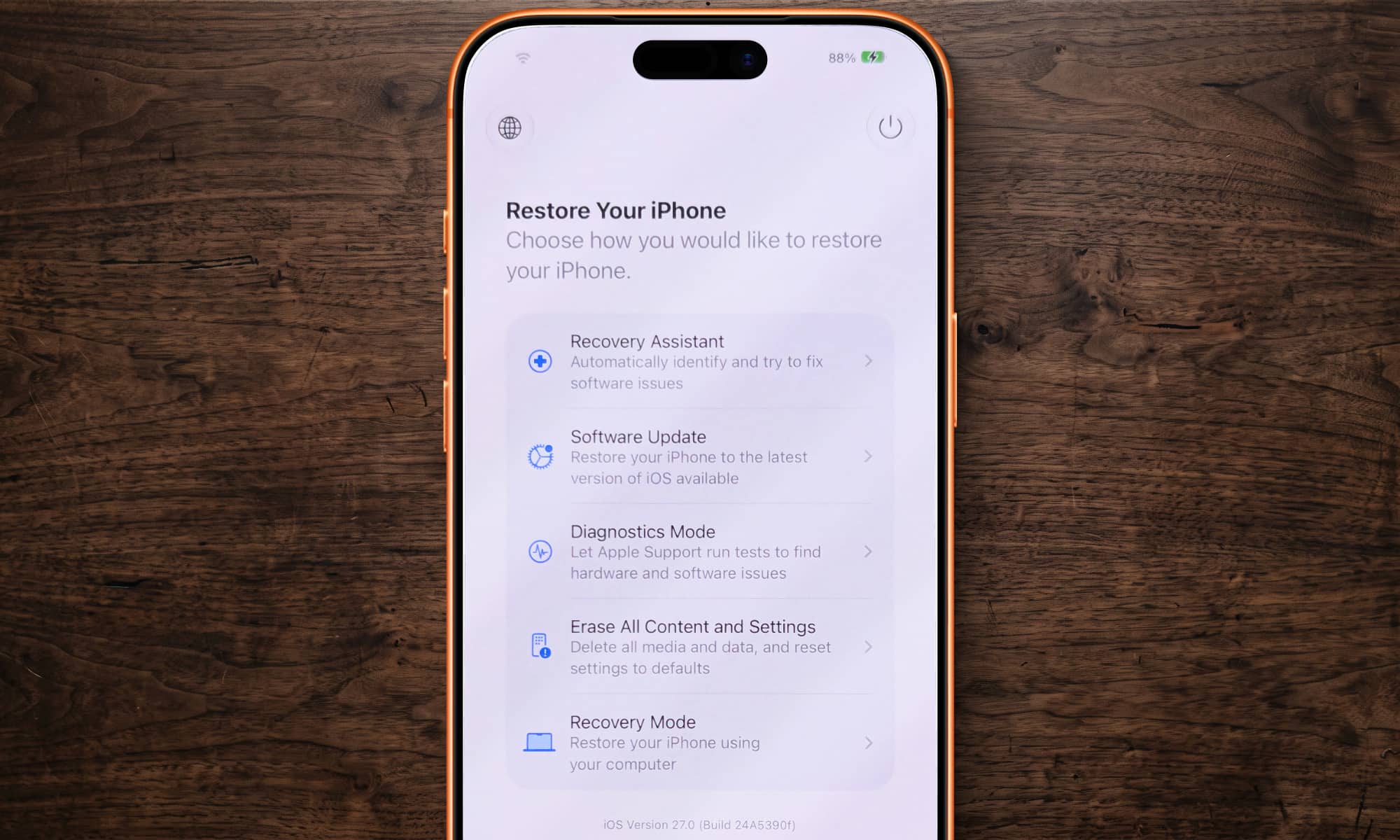
When troubleshooting an iPhone that was not starting up properly, it used to be a complex process of knowing the exact buttons to press and when to press them to restart or restore the device. However, in iOS 26, Apple introduced a new Recovery Assistant to simplify this process, and now in iOS 27, they are enhancing the recovery experience to be more like that of a Mac.
In iOS 26, if an iPhone failed to start up properly, it would automatically enter a new Recovery Assistant, guiding you through diagnosing the issue and restoring your device, even if it meant erasing and starting over.
This was a significant improvement from the previous method, where users would be left confused with a stuck Apple logo or directed to connect to a Mac or PC for restoration using iTunes, Finder, or Apple Devices app for Windows.
The new Recovery Assistant allowed for Wi-Fi connection, automatic diagnostics, and sending diagnostic data to Apple for support. It would initiate automatically in case of a problem or could be triggered manually if necessary.
Enhanced Recovery Features
With iOS 27, Apple is introducing a full recovery screen similar to what has been standard on Macs for years, and accessing it is now simpler than ever. By holding down the side button during startup, you can easily enter the new recovery screen without the need for any special button combinations.
Once in the recovery screen, you will have five options:
- Recovery Assistant: Helps in automatically fixing issues with your iPhone.
- Software Update: Checks for and applies new iOS releases through another nearby iPhone or iPad.
- Diagnostics Mode: Restarts the iPhone and launches the diagnostics & repair tool from iOS 17.
- Erase All Content and Settings: Allows for a factory reset of the iPhone.
- Recovery Mode: Enables connection to a Mac or PC for restoration, without the usual button sequences.
While most recovery and diagnostic modes can be exited easily, the Nearby Device Recovery option requires linking to another iPhone for exit. This remote iPhone can also be used to exit recovery mode, or you can force restart your iPhone using the button shuffle.













The BMW iX5 Hydrogen: Lightning Fast Performance Await

Xbox Secures Kojima’s Physint After PlayStation Passes on It

Amazon Luna Levels Up: Enhanced Multiplayer Capabilities and Free Games Added to Gaming Service

Join the Warhammer 40,000 Saga: Creative Assembly’s Strategy to Welcome Newcomers to the Grimdark Universe

Apple iPhone 18: Everything You Need to Know – Release Date, Price & Specs

Bending Spoons Acquires Collaboration Tools Maker Miro at a Steep Discount

Long Live the Camera-Free AirPods: Why We Don’t Need Them

Revolutionizing Logistics: JD.com’s Expansion of Physical AI with 3 Million Robots

Advanced Photography: Variable Aperture Techniques with the A20 Pro

EU Takes Action Against Instagram and Facebook for Violating Illegal Content Rules

Warning: Facebook Creators Face Monetization Loss for Stealing and Reposting Videos

Facebook’s New Look: A Blend of Instagram’s Style

Facebook Compliance: ICE-tracking Page Removed After US Government Intervention

Facebook and Instagram to Reduce Personalized Ads for European Users

InstaDub: Meta’s AI Translation Tool for Instagram Videos

Reclaim Your Account: Facebook and Instagram Launch New Hub for Account Recovery

Meta discontinues Messenger apps for Windows and macOS

Breaking Updates: Meta Connect 2025 Unveils Latest Developments

Xiaomi Mi Mix 2S Review – Beauty and the BEAST.

Samsung Galaxy X – New Info!

RED MAGIC UNBOXING – The Ultimate Gaming Phone?

12 Incredible Android SECRETS, TIPS and TRICKS

The Ultimate Smartphone Camera Comparison.

Top 10 Android Launchers you’ve NEVER tried.

Our Bezel-less future! Q&A 5.0

The $200 OnePlus phone? Lenovo S5 is HERE!

OnePlus 6 vs Samsung Galaxy S9 Plus
-
 Facebook11 months ago
EU Takes Action Against Instagram and Facebook for Violating Illegal Content Rules
-
 Facebook11 months ago
Warning: Facebook Creators Face Monetization Loss for Stealing and Reposting Videos
-
 Facebook9 months ago
Facebook’s New Look: A Blend of Instagram’s Style
-
 Facebook11 months ago
Facebook Compliance: ICE-tracking Page Removed After US Government Intervention
-
 Facebook9 months ago
Facebook and Instagram to Reduce Personalized Ads for European Users
-
 Facebook11 months ago
InstaDub: Meta’s AI Translation Tool for Instagram Videos
-
 Facebook9 months ago
Reclaim Your Account: Facebook and Instagram Launch New Hub for Account Recovery
-
 Apple11 months ago
Meta discontinues Messenger apps for Windows and macOS
