
AI
Breaking the Speed Barrier: Siemens’ Physics AI Races Ahead, But Safety First for Airbags

Physics AI Speed vs. Safety: Exploring the Limits
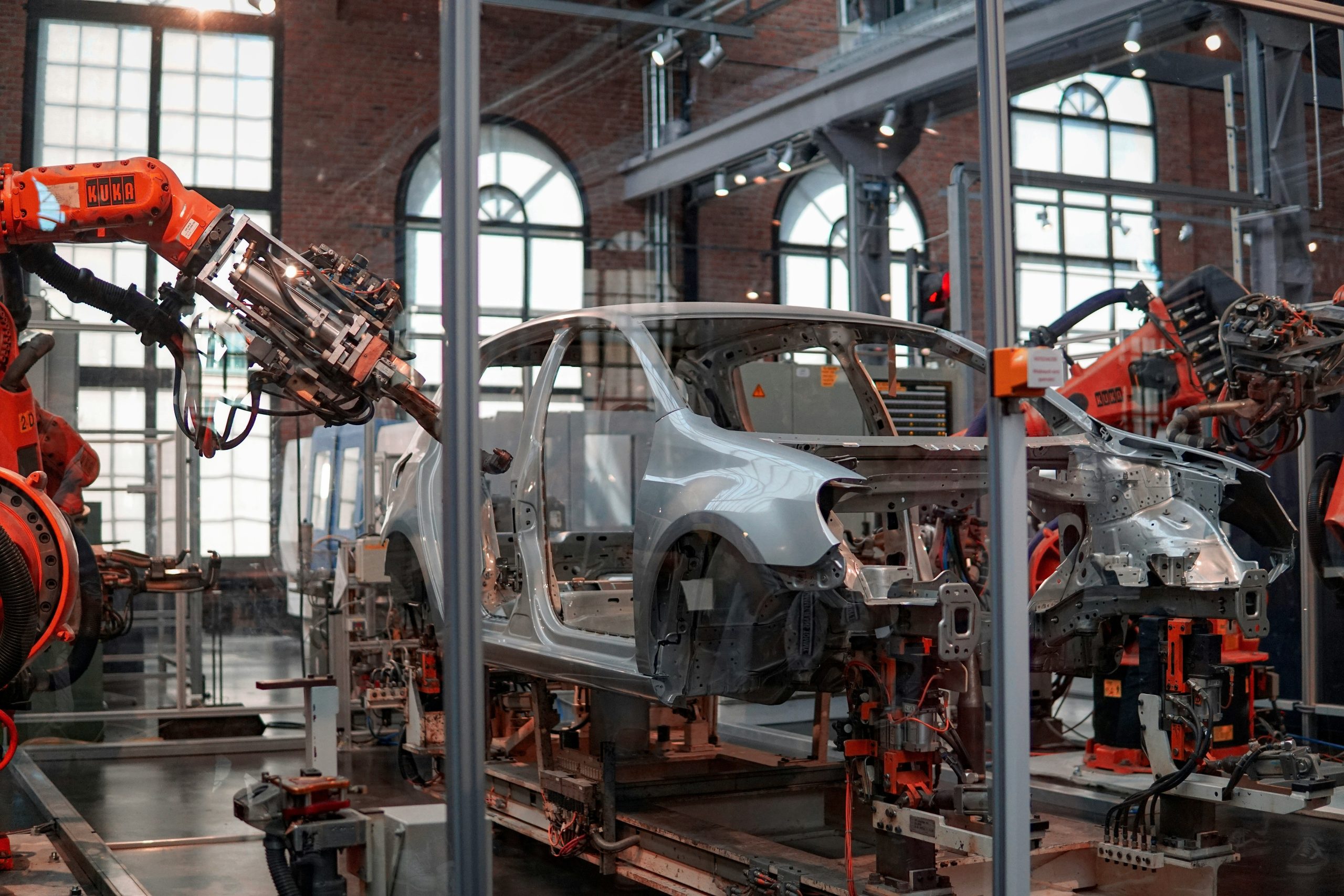
Siemens has developed a groundbreaking Physics AI technology that can revolutionize design processes by exploring thousands of design variations in a fraction of the time it takes traditional simulations to analyze just a few. This innovation, known as Simcenter PhysicsAI, is claimed to be up to 1,000 times faster, offering engineers a significant advantage in terms of efficiency and productivity.
However, while the speed and efficiency of Physics AI are impressive, there are crucial limitations that need to be acknowledged. According to Sam Mahalingam, the leader of Siemens Digital Industries Software, Physics AI is not suitable for certifying safety-critical components. This distinction is vital, as it highlights the boundary where speed must yield to the necessity of rigorous validation for critical applications.
Understanding the Capabilities of Physics AI
Simcenter PhysicsAI operates on a unique premise of geometric deep learning, enabling it to predict design outcomes rapidly by leveraging historical simulation data. Rather than recalculating physics parameters for each design iteration, the software uses a surrogate model to provide quick estimates. While this approach accelerates the design exploration process, it does not replace the need for thorough validation through traditional physics-based simulations.
One of the primary concerns with Physics AI is the accuracy of its predictions. Mahalingam emphasizes that the technology’s performance is benchmarked against physics-based solvers, with a reported variation of 1% to 3% in Siemens’ case studies. This close alignment with traditional simulation results instills confidence in the reliability of Physics AI for initial design exploration.
The Dependency on Training Data
Another critical aspect to consider is the dependency of Physics AI models on the training data they receive. Companies like Magna and Continental have utilized AI trained on synthetic data generated by Siemens’ solvers. This raises questions about the model’s ability to surpass the accuracy of its training simulations.
Mahalingam acknowledges this potential limitation and explains that the surrogate model’s effectiveness is contingent on the quality of the underlying simulation data. To prevent erroneous predictions, guardrails are implemented to alert engineers when the model encounters unfamiliar scenarios outside its training scope.
The Importance of Transparency
Siemens’ candid approach to delineating the capabilities and constraints of Physics AI sets a precedent for honesty and transparency in the AI industry. While many vendors tout the autonomy and infallibility of AI technologies, Siemens emphasizes the complementary role of Physics AI as a rapid design exploration tool rather than a standalone validation solution.
By acknowledging the boundaries of Physics AI and advocating for human validation in critical decision-making processes, Siemens aims to instill trust and credibility among engineers. The company’s focus on delineating the technology’s role in enhancing, rather than replacing, traditional simulation methods underscores a pragmatic and sustainable approach to innovation.
Explore more: Siemens introduces AI system for automation engineering
Discover the latest insights on AI and big data from industry leaders at the AI & Big Data Expo in Amsterdam, California, and London. This comprehensive event is part of TechEx and is co-located with other leading technology events including the Cyber Security & Cloud Expo. Click here for more information.
AI News is powered by TechForge Media. Explore other upcoming enterprise technology events and webinars here.












Microsoft Announces Discontinuation of Copilot Plus PC Brand

Goblin Invasion: Hytale’s Chapter 1 Update Introduces Epic Boss Battles and Intricate Dungeons

Samsung Galaxy S27 Pro and Ultra: Enhanced with Larger Batteries

Innovative Health Benefits for Emerging Businesses

Comparing Apple Home’s AI Camera to Amazon and Google: A Test of Smart Home Technology

AirPods Enhancements: The Long-Awaited Update

The Evolution of the ALPINA X5: From Secret Prototype to BMW X5 4.6iS

Microsoft’s Revolutionary Copilot: A Game-Changer in the Battle Against Anthropic and OpenAI – GeekWire

Building the Future: The Evolution of Europe’s First Digital Experimentation Infrastructure

EU Takes Action Against Instagram and Facebook for Violating Illegal Content Rules

Warning: Facebook Creators Face Monetization Loss for Stealing and Reposting Videos

Facebook’s New Look: A Blend of Instagram’s Style

Facebook Compliance: ICE-tracking Page Removed After US Government Intervention

Facebook and Instagram to Reduce Personalized Ads for European Users

InstaDub: Meta’s AI Translation Tool for Instagram Videos

Reclaim Your Account: Facebook and Instagram Launch New Hub for Account Recovery

Meta discontinues Messenger apps for Windows and macOS

Breaking Updates: Meta Connect 2025 Unveils Latest Developments

Samsung Galaxy S9 Plus vs iPhone X

The BEST $300 Phone (2018) ft. MKBHD, Technical Guruji, iJustine + More

Samsung Galaxy S9 Plus Gaming Review! (vs OnePlus 5T)

THE BEST PHONE HTC EVER MADE?

The Truth about Google?

Samsung S9/ S9+ vs iPhone X vs Galaxy Note 8 Battery Life DRAIN TEST

Samsung S9 / S9+ vs Mate 10 Pro vs iPhone X Charging SPEED Test

The BEST APPS in 2018 – ft. MKBHD, UrAvgConsumer, iJustine + More

The ULTIMATE Smartphone Unboxing!!
-
 Facebook11 months ago
EU Takes Action Against Instagram and Facebook for Violating Illegal Content Rules
-
 Facebook12 months ago
Warning: Facebook Creators Face Monetization Loss for Stealing and Reposting Videos
-
 Facebook10 months ago
Facebook’s New Look: A Blend of Instagram’s Style
-
 Facebook12 months ago
Facebook Compliance: ICE-tracking Page Removed After US Government Intervention
-
 Facebook10 months ago
Facebook and Instagram to Reduce Personalized Ads for European Users
-
 Facebook12 months ago
InstaDub: Meta’s AI Translation Tool for Instagram Videos
-
 Facebook10 months ago
Reclaim Your Account: Facebook and Instagram Launch New Hub for Account Recovery
-
 Apple11 months ago
Meta discontinues Messenger apps for Windows and macOS
