
Cars
BMW’s Survey Reveals Surprising EV Range Preferences Among Americans

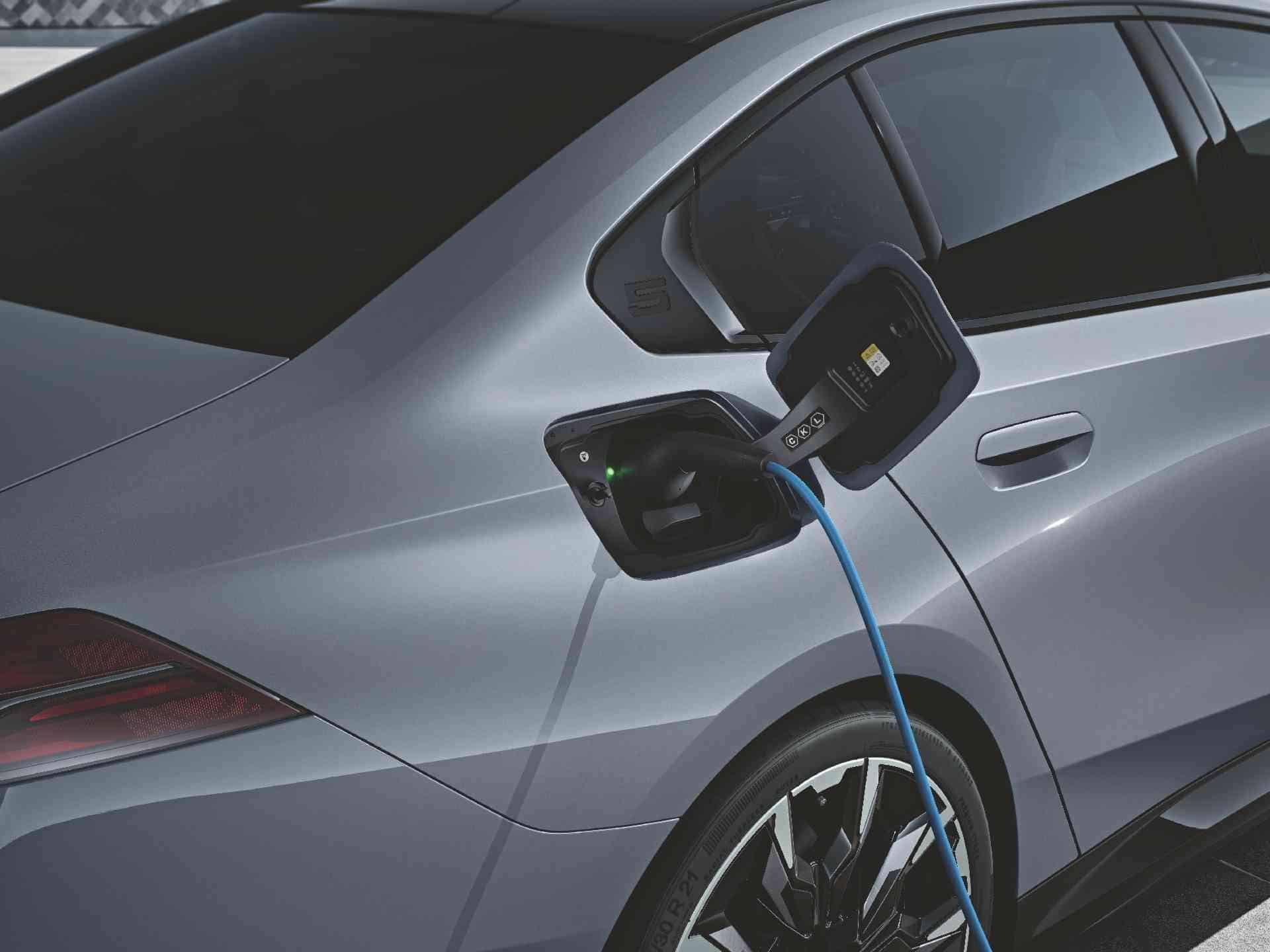
Americans’ Desire for Long-Range Electric Vehicles
A recent survey conducted by BMW reveals that Americans have a strong preference for electric cars with extended driving ranges, even though their daily commuting needs may not require such extensive mileage capabilities. The survey, which involved 1,005 U.S. adults, highlights the persistent concern of range anxiety among potential electric vehicle (EV) buyers, despite advancements in battery technology.
The survey findings indicate that while 73% of respondents believe that 75 miles or less would suffice for their daily driving, a significant 42% expressed a desire for a minimum range of 300 miles before considering an EV. Notably, 18% of participants stated that they would prefer a range of 400 miles or more.
It is evident that there is a disparity between what drivers perceive as necessary and what they aspire to have in an electric vehicle. The survey also emphasizes that driving range remains a critical factor for 72% of respondents when shopping for an EV, underscoring the importance of the ability to travel beyond their regular commuting distances.
The Appeal of Faster Charging
The BMW survey suggests that the implementation of faster charging solutions could bridge the gap between consumer expectations and everyday driving requirements. Approximately 53% of participants indicated that they would be more inclined to consider an EV if it could add around 150 miles of range in just 10 minutes at a fast-charging station.
Interestingly, this inclination towards faster charging was particularly prominent among Gen Z and Millennial respondents, with 70% and 65% respectively expressing interest, compared to 52% among Gen X and 30% among Baby Boomers. Younger drivers, in particular, seem keen on minimizing charging durations to a few minutes rather than prolonged periods.
Moreover, the survey reveals a shift in charging-time acceptability, with 55% of Americans now deeming 30 minutes or less as an appropriate charging duration, up from 48% in 2025. Additionally, 76% of participants indicated their willingness to accept a charging stop of up to an hour, compared to 71% in the previous year.
Price as a Barrier to EV Adoption
Aside from driving range, the survey identifies upfront purchase price as the primary obstacle preventing American drivers from transitioning to electric mobility, with 51% of respondents citing cost as a significant concern.
Battery longevity and replacement costs, charging time, driving range, and public charging availability were among the other factors that raised apprehensions among participants. Despite these challenges, 27% of Americans expressed that reduced ownership and operating costs could motivate them to consider an EV.
Interestingly, the survey indicates that the used-car market could play a pivotal role in encouraging EV adoption, with 55% of respondents open to considering a certified pre-owned or used electric vehicle if substantial savings were offered.
Changing Perceptions and Growing Interest
Despite the existing hurdles, the survey suggests a positive shift in Americans’ attitudes towards electric vehicles, with 68% expressing potential interest in purchasing an EV. The perception of EV buyers as early adopters has also evolved, with only 56% currently viewing them as such, down from 62% in 2025.
There is a growing appreciation for the performance of electric vehicles, with 38% of respondents believing that EVs offer superior acceleration compared to gasoline-powered cars. This sentiment is particularly strong among Gen Z and Millennials, indicating a generational shift in perception.
Enhanced Charging Experiences and Future Prospects
The survey delves into the activities individuals might engage in during a public charging stop, revealing preferences for communication, refreshments, relaxation, and entertainment. Additionally, 57% of participants expressed a heightened interest in EVs that can serve as backup power sources during electrical outages.
BMW’s commitment to advancing EV technology is evident through products like the iX3, which boasts rapid charging capabilities, and upcoming models like the iX5 and iX4. These developments aim to address consumer needs for extended range, faster charging, and affordable pricing, ultimately making electric mobility more accessible and appealing to a wider audience.
In conclusion, the survey underscores the evolving landscape of EV adoption in the U.S. and the importance of addressing consumer preferences and concerns to drive widespread acceptance of electric vehicles. As technologies continue to mature and charging infrastructure expands, automakers are poised to meet the demands of discerning consumers seeking sustainable and efficient transportation solutions.










BMW’s Survey Reveals Surprising EV Range Preferences Among Americans

Enhancing Efficiency: The Power of Windows Search in Windows 11

Revving Up for Forza Horizon 6: Drift Edition on PS5 with Epic Expansion Pack

Advancing Robotics and Automation: DOE’s National Laboratory Projects

Maximizing AI ROI: A Comprehensive Guide to Metrics, Formulas, and Frameworks

Oppo Find X10 Unveiled: Global Launch Set for October 21st

AI Leaderboard Arena Surges to $3.1B Valuation in Record Time

Outpacing OpenAI: Meta’s Rise to the Top in the AI Agent Race

Get Ready for the Next Generation: The OLED iPad Mini 8 with a 60Hz Surprise!

EU Takes Action Against Instagram and Facebook for Violating Illegal Content Rules

Warning: Facebook Creators Face Monetization Loss for Stealing and Reposting Videos

Facebook’s New Look: A Blend of Instagram’s Style

Facebook Compliance: ICE-tracking Page Removed After US Government Intervention

Facebook and Instagram to Reduce Personalized Ads for European Users

InstaDub: Meta’s AI Translation Tool for Instagram Videos

Reclaim Your Account: Facebook and Instagram Launch New Hub for Account Recovery

Meta discontinues Messenger apps for Windows and macOS

Breaking Updates: Meta Connect 2025 Unveils Latest Developments

I used a 2012 Smartphone in 2018 – Here’s what happened.

How to send ANY file Anywhere!

NEW Oneplus 5T Sandstone White Unboxing – The Ultimate Oneplus 5T?

HUAWEI P20 – THE SMARTPHONE REVOLUTION IS HERE?

How OnePlus succeeded when they should have failed.

Samsung sent us THIS! #AD

Ulefone Power 3 – Quad Camera Smartphone that last 2 weeks!

EPIC Smartphone FAILS that people will never forget.

The Best Android Launcher of 2018?
-
 Facebook12 months ago
EU Takes Action Against Instagram and Facebook for Violating Illegal Content Rules
-
 Facebook12 months ago
Warning: Facebook Creators Face Monetization Loss for Stealing and Reposting Videos
-
 Facebook10 months ago
Facebook’s New Look: A Blend of Instagram’s Style
-
 Facebook12 months ago
Facebook Compliance: ICE-tracking Page Removed After US Government Intervention
-
 Facebook10 months ago
Facebook and Instagram to Reduce Personalized Ads for European Users
-
 Facebook12 months ago
InstaDub: Meta’s AI Translation Tool for Instagram Videos
-
 Facebook10 months ago
Reclaim Your Account: Facebook and Instagram Launch New Hub for Account Recovery
-
 Apple12 months ago
Meta discontinues Messenger apps for Windows and macOS
