
Tech News
Comparing Sky Q, Glass, Stream, and Now: Finding the Ultimate TV Experience


If you reside in the UK, Sky offers one of the top entertainment platforms for enjoying the latest hit shows and must-watch films. Unlike similar services such as Netflix or Disney+, Sky provides multiple ways to access its extensive content library.
If you’re uncertain about which Sky TV package suits you best, our informative guide can simplify the decision-making process.
Until recently, customers could choose between Sky Q, Sky Glass, Sky Stream, and the company’s streaming service, Now. However, Sky Q has been discontinued for sale after nearly a decade on the market, making it unavailable for new purchases online.
Despite the impending phase-out of Sky Q, we have included it here until it is completely phased out.
For students, budget-conscious consumers, or individuals who prefer watching TV on laptops or phones, Now may be the ideal choice. On the other hand, for those who enjoy traditional TV viewing experiences, Sky Glass and Sky Stream are the preferred options. Each service has unique features that differentiate them, so continue reading to explore what each offers.
If you’re not fully committed to upgrading to Sky, consider exploring our roundup of the best streaming sticks as an alternative. Additionally, if you want to compare Sky with its competitors, check out our guide to the best TV streaming services for comprehensive information.
In a hurry? Here’s a quick overview of the key differences between Sky’s major platforms:
| Sky Q | Sky Glass Gen 2 | Sky Stream | Now | Sky Glass Air | |
| Starting price | £31pm | £14 + £15pm | £15pm | £4.99pm | £6 + £15pm |
| Long-term contract required? | Y | Y | Optional – monthly rolling available | No – monthly rolling | Y |
| Min contract | 18 months | 24 months | 1 month | 1 month | 24 months |
| Requires dish | Y | N | N | N | N |
| Physical device | Y | Y | Y | N | Y |
| Picture quality (max, may cost extra) | 4K Ultra HD | 4K Ultra HD | 4K Ultra HD | Full HD | 4K Ultra HD |
| Netflix Basic (HD) included | Y | Y | Y | N | Y |
| Sky Sports included | N | N | N | N | N |
| Offers recordings | Y | N | N | N | N |
| Remote control | Y | Y | Y | N | Y |
Price & Contracts
The cost of Sky services depends on various factors, including the desired TV channels and additional features.
Sky Essential TV starts at £15 a month for the Entertainment & Netflix package. This includes Essential TV, offering a slightly smaller content library than the premium tier but still providing access to Sky Atlantic (featuring shows like The Last of Us), along with Netflix with Ads and Discovery+. The included Netflix plan is the Basic option, offering HD streaming on one device with no simultaneous streams.
For full access to all Sky content, the Ultimate TV package is recommended. Priced at £22 per month, this option includes subscriptions to Netflix, Disney Plus, and all TV channels offered by Sky.
These prices apply to Sky Stream and Sky Glass, with additional costs for Glass related to the TV itself. Sky Glass offers two TV options: the premium-level Sky Glass Gen 2 and the more affordable Sky Glass Air, available in 43-, 55-, and 65-inch sizes. TVs can be purchased outright, starting at £699 for Gen 2 and £309 for Air, or through monthly payments starting at £10.25pm/£4.24pm after a £20 upfront fee. Sky Q was priced slightly higher at £31 per month.
For additional features beyond the basic package, consider adding Sky Sports, Ultra HD picture quality, and Multiscreen. Here’s a breakdown of common add-ons:
Complete pricing overview for subscription inclusions:
Glass/Stream prices per month
- Sky Sports – £20
- Sky Cinema – £10
- TNT Sports – £31 rolling
- Sky Kids – £8 rolling
- Paramount+ – Free with Sky Cinema
- Ultra HD & Dolby Atmos – £6 rolling
- Ad skipping – £6 rolling
- Netflix Standard – £4.50 rolling
- Whole Home – £10
As evident from the pricing, costs can escalate once additional features are added to the Essentials TV package. Incorporating Sky Sports and Ultra HD will result in an extra £26 monthly expense.
The flexibility of Sky services allows for customization tailored to individual preferences.
Sky
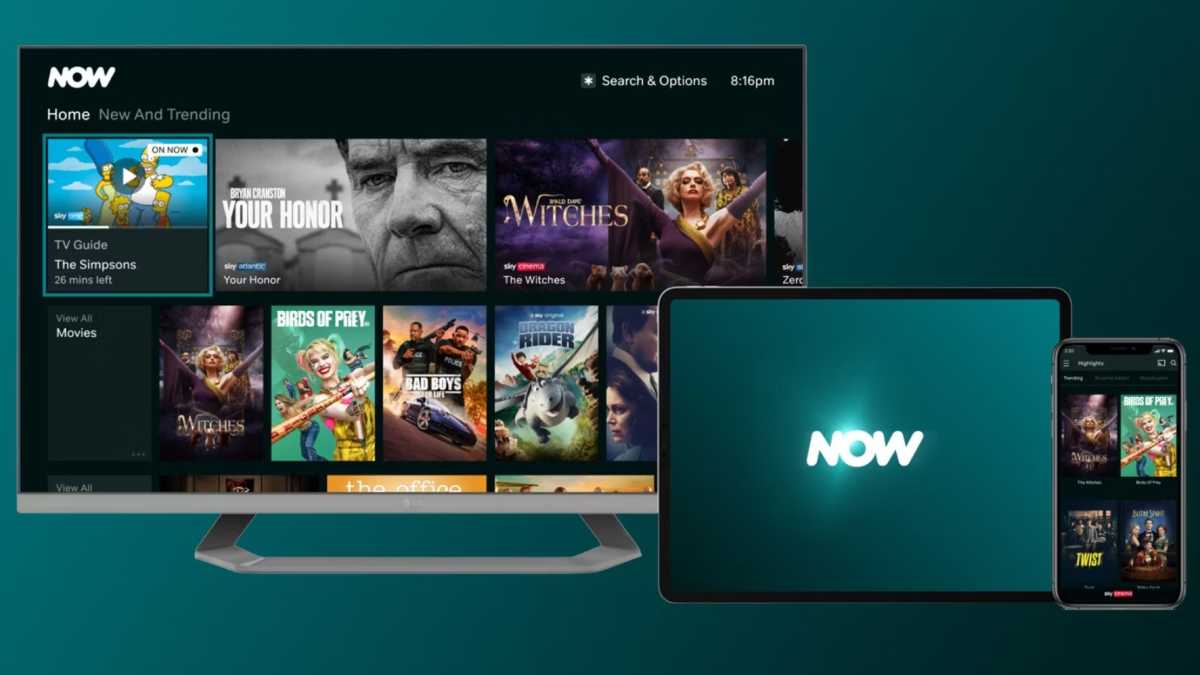
If the pricing discourages you, Now emerges as a cost-effective solution. This standalone streaming service from Sky eliminates the need for additional hardware. Similar to Netflix or Amazon Prime Video, Now allows viewing on various devices such as smartphones, gaming consoles, and smart TVs.
Costs can add up when opting for multiple features, but for specific offerings like Sky Sports, Now proves to be a more economical choice compared to Q or Glass. Various Membership options are available:
- Entertainment – £9.99pm
- Cinema – £9.99pm
- Entertainment + Cinema – £11.98pm (12-months)
- Sports – £14.99 (24 hours)
- Sports – £34.99pm
- Hayu – £5.99pm
- Boost – £6pm
- Ultra Boost – £9pm
Most of these packages are self-explanatory, offering access to Sky channels within their respective categories. Hayu specializes in US reality shows like Real Housewives, Million Dollar Listing, and Below Deck.
Boost isn’t a channel package but an add-on for enhanced viewing experience in Full HD quality, ad removal, Dolby Digital 5.1 sound, streaming on two devices simultaneously, and Sky Sports in 50fps. Ultra Boost elevates the experience to 4K with Dolby Atmos surround sound and streaming on up to three devices. Note that some features may have hardware requirements.
Now frequently offers deals and bundles, especially during sale seasons like Black Friday. Canceling and re-signing up for Now may also lead to discounts as an incentive.
Sky
In conclusion, Sky Glass Gen 2 stands as the priciest option, factoring in the TV cost alongside the content subscription. Sky Stream/Sky Air strike a balance for those seeking an extensive content library without breaking the bank, while Now emerges as the budget-friendly choice for individuals without a TV or looking to minimize expenses.
Hardware
Now is excluded from this section as it’s a pure online streaming service that requires users to provide their own hardware. Sky’s other products, however, present distinct differences in terms of hardware:
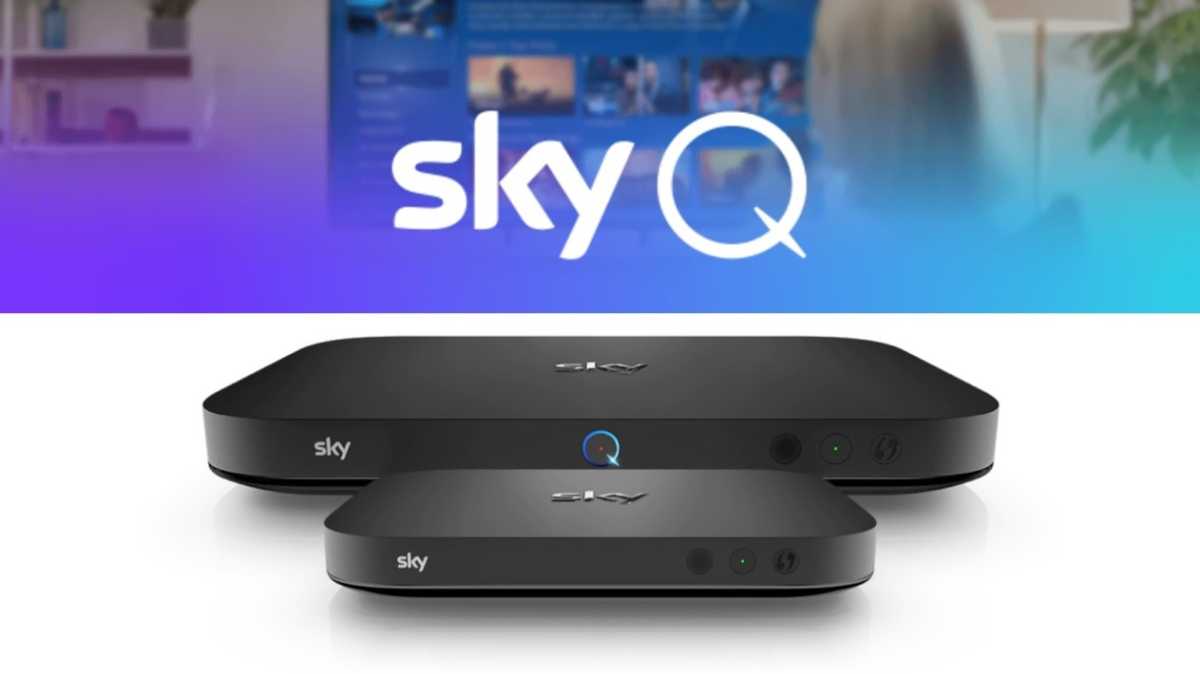
Sky Q functions as a traditional set-top box that connects to your TV and satellite dish, enabling TV viewing without relying on broadband or Wi-Fi. It includes a hard drive for recording and storing broadcast television.
Sky Q Mini, an optional addition primarily designed for Multiscreen functionality, also serves as a Wi-Fi network extender in conjunction with Sky Wi-Fi.
Sky
Sky Glass functions as a smart TV with integrated Sky services. Simply plug it in and connect to your Wi-Fi network to start streaming. The user interface differs from Sky Q, focusing more on streaming-based content delivery.
No satellite dish is required for Sky Glass, but a reliable broadband connection is essential to prevent buffering. Recommended speeds are 10Mbps for HD and 25Mbps for UHD. Both Glass and Stream feature Ethernet ports for wired connections, offering an alternative to Wi-Fi. Wi-Fi speeds can be checked for optimal performance.
Switching from Sky Q to Sky Glass introduces a broadcast delay of approximately 22 seconds. While inconsequential for most content, this delay may impact live sports or real-time shows where immediate interaction is crucial to avoid spoilers








The Lord of the Rings: War in the North Legacy Edition – Patch One: The Beginning of a New Journey

Revolutionizing Android: 5 Innovative Features That Will Transform User Experience

Xiaomi 18 Pro: Global Launch Set for 2026, Confirmed by Tech Advisor

Comparing Farmtech Solutions: Poly Tape vs Electric Fence Wire

Unbeatable Deals on Top-tier Apps: Own Them Forever at a Fraction of the Cost

Does a Cheap 2018 Smartphone beat a 2013 Flagship?

Expert Tips for Buying a BMW X5: Insights from a Seasoned Owner of 103 Models

Microsoft’s Bold Vision: The Copilot ‘Super App’ Set to Rival Office in Influence

Lost in the Fantasia: The Rise and Fall of a Colourful JRPG

EU Takes Action Against Instagram and Facebook for Violating Illegal Content Rules

Warning: Facebook Creators Face Monetization Loss for Stealing and Reposting Videos

Facebook’s New Look: A Blend of Instagram’s Style

Facebook Compliance: ICE-tracking Page Removed After US Government Intervention

Facebook and Instagram to Reduce Personalized Ads for European Users

InstaDub: Meta’s AI Translation Tool for Instagram Videos

Reclaim Your Account: Facebook and Instagram Launch New Hub for Account Recovery

Meta discontinues Messenger apps for Windows and macOS

Breaking Updates: Meta Connect 2025 Unveils Latest Developments
Does a Cheap 2018 Smartphone beat a 2013 Flagship?

Samsung Galaxy S9 & S9+ UNBOXING!

Samsung Galaxy S9 Plus vs iPhone X

The BEST $300 Phone (2018) ft. MKBHD, Technical Guruji, iJustine + More

Samsung Galaxy S9 Plus Gaming Review! (vs OnePlus 5T)

THE BEST PHONE HTC EVER MADE?

The Truth about Google?

Samsung S9/ S9+ vs iPhone X vs Galaxy Note 8 Battery Life DRAIN TEST

Samsung S9 / S9+ vs Mate 10 Pro vs iPhone X Charging SPEED Test
-
 Facebook11 months ago
EU Takes Action Against Instagram and Facebook for Violating Illegal Content Rules
-
 Facebook12 months ago
Warning: Facebook Creators Face Monetization Loss for Stealing and Reposting Videos
-
 Facebook10 months ago
Facebook’s New Look: A Blend of Instagram’s Style
-
 Facebook12 months ago
Facebook Compliance: ICE-tracking Page Removed After US Government Intervention
-
 Facebook10 months ago
Facebook and Instagram to Reduce Personalized Ads for European Users
-
 Facebook12 months ago
InstaDub: Meta’s AI Translation Tool for Instagram Videos
-
 Facebook10 months ago
Reclaim Your Account: Facebook and Instagram Launch New Hub for Account Recovery
-
 Apple11 months ago
Meta discontinues Messenger apps for Windows and macOS
