
Inovation
Northern Lights: The Fusion of Baltic and Nordic Chip Competence Centers


Collaborative Efforts Strengthen Chip Competence in Nordic and Baltic Regions
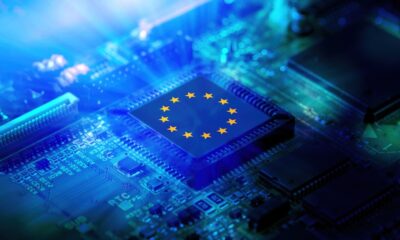
A recent memorandum of understanding (MoU) signed by chip competence centres in the Nordic and Baltic regions marks a significant milestone in advancing research, skills, and industrial capacity. The signatories, including Finland, Sweden, Norway, Denmark, and the three Baltic states, aim to enhance education, research, and industrial support through coordinated efforts.
The agreement, formalised during a meeting of Nordic chip centres, outlines a shared vision to promote cross-border collaboration. This MoU signifies a crucial step towards establishing a unified Northern European semiconductor ecosystem.
By aligning strategies and exchanging expertise, the participating countries seek to amplify their collective impact, enhance global visibility, and effectively address supply chain and technology challenges within Europe’s chip industry.
Building on Existing Collaborations in the Baltic Region
The Nordic agreement complements previous collaborations among the Baltic states themselves. Latvia, Lithuania, and Estonia previously signed an MoU to consolidate regional efforts in microelectronics and semiconductor innovation.
This agreement focused on aligning national strategies, consolidating research capabilities, and accelerating innovation in line with the objectives of the European Chips Act.
Together, these cooperative frameworks create a multi-layered model of collaboration: strong national ecosystems, reinforced by Baltic coordination, and now expanded through Nordic–Baltic partnership.
The ultimate aim is to boost the region’s competitiveness in the global semiconductor market while contributing to Europe’s technological sovereignty.
Shared Focus on Innovation, Skills, and Industry Support
The core areas of cooperation outlined in the new MoU revolve around fostering innovation, elevating the international standing of Nordic and Baltic chip competence centres, and enhancing joint initiatives and outreach.
Additionally, the agreement emphasizes the strengthening of education and research development through collaborative study programs, enhanced knowledge sharing, and improved access to research infrastructure. Addressing Europe’s growing skills gap in microelectronics and related fields is a key priority.
Furthermore, there is a strong emphasis on supporting startups and small to medium-sized enterprises (SMEs) by facilitating access to pilot production lines and advanced research infrastructure, particularly through the EU’s Chips Joint Undertaking program.
Growth in the Baltic Semiconductor Market
The timing of this agreement corresponds with positive market trends in the region. The semiconductor sectors in Estonia and Lithuania are projected to experience an annual growth rate of approximately 5% between 2023 and 2028, increasing their combined market value from around €41m to €53m.
Similarly, Latvia’s chip exports are expected to grow by about 6% annually between 2021 and 2026. These trends underscore the increasing importance of chip competence centres as vital hubs connecting research, education, and industry.
Future Initiatives and Collaborative Strategies
Looking ahead, the Baltic partners intend to jointly apply for a Horizon Europe Coordination and Support Action (Horizon-CSA). This proposed project aims to map the regional semiconductor ecosystem and establish a unified Baltic-Nordic chip alliance.
Such a strategy would unlock EU-funded projects to bolster research infrastructure and provide targeted support for startups and SMEs across Estonia, Latvia, and Lithuania.
Latvia’s Advancements in Chip Competence
Latvia has taken proactive steps at the national level by establishing the Latvian Chip Competence Center in March 2025. Developed in collaboration between Riga Technical University (RTU) and the University of Latvia (UL), the centre builds on a national memorandum from 2022 involving universities, government ministries, industry leaders, and research institutions to enhance Latvia’s chip capabilities.
Positioned to be part of the broader European network of chip competence centres, the Latvian hub focuses on semiconductor microelectronics, silicon and polymer photonics, quantum technologies, and open-source chip design. Its primary objective is to offer comprehensive support to industry players, particularly startups and SMEs.
Strategic Positioning for Long-Term Impact
RTU, in close collaboration with UL, has assumed the role of coordinating Latvia’s semiconductor ecosystem. Future plans include establishing a dedicated chip design and testing laboratory, a crucial area in the chip supply chain where Latvia possesses a competitive edge in skills and technology.
As Nordic and Baltic chip competence centres deepen their collaboration, the region is evolving from fragmented markets into a unified innovation powerhouse, poised to play a significant role in Europe’s semiconductor landscape.










McLaren’s Legacy: The Remuera and Muriwai Trademarks

Cloudscape Chronicles: A Fumito Ueda-inspired Parkour Adventure

Rising Prices: Samsung Galaxy Tab S12 and Xiaomi Pad 9 Series

Uncovering the Hidden Profit Potential: Startup Lessons from Healthy Averages

Apple’s Costly Conundrum: $5.7 Billion Damages for Haptic Patent Infringement

Snack Time and Screen Time: Free Peanuts and Fresh Shows

The Ultimate BMW N62 V8 Engine Handbook: Troubleshooting, Performance Upgrades, and Durability

Black Salt Games Launches Team Trifold Studio, Unveiling Nothing Lost

Unlocking Your Phone Made Easy: How Android Users Can Use Their Google Account

EU Takes Action Against Instagram and Facebook for Violating Illegal Content Rules

Warning: Facebook Creators Face Monetization Loss for Stealing and Reposting Videos

Facebook’s New Look: A Blend of Instagram’s Style

Facebook Compliance: ICE-tracking Page Removed After US Government Intervention

Facebook and Instagram to Reduce Personalized Ads for European Users

InstaDub: Meta’s AI Translation Tool for Instagram Videos

Reclaim Your Account: Facebook and Instagram Launch New Hub for Account Recovery

Meta discontinues Messenger apps for Windows and macOS

Breaking Updates: Meta Connect 2025 Unveils Latest Developments

10 Incredible Android DIY Hacks!

Does a Cheap 2018 Smartphone beat a 2013 Flagship?

Samsung Galaxy S9 & S9+ UNBOXING!

Samsung Galaxy S9 Plus vs iPhone X

The BEST $300 Phone (2018) ft. MKBHD, Technical Guruji, iJustine + More

Samsung Galaxy S9 Plus Gaming Review! (vs OnePlus 5T)

THE BEST PHONE HTC EVER MADE?

The Truth about Google?

Samsung S9/ S9+ vs iPhone X vs Galaxy Note 8 Battery Life DRAIN TEST
-
 Facebook11 months ago
EU Takes Action Against Instagram and Facebook for Violating Illegal Content Rules
-
 Facebook12 months ago
Warning: Facebook Creators Face Monetization Loss for Stealing and Reposting Videos
-
 Facebook10 months ago
Facebook’s New Look: A Blend of Instagram’s Style
-
 Facebook12 months ago
Facebook Compliance: ICE-tracking Page Removed After US Government Intervention
-
 Facebook10 months ago
Facebook and Instagram to Reduce Personalized Ads for European Users
-
 Facebook12 months ago
InstaDub: Meta’s AI Translation Tool for Instagram Videos
-
 Facebook10 months ago
Reclaim Your Account: Facebook and Instagram Launch New Hub for Account Recovery
-
 Apple11 months ago
Meta discontinues Messenger apps for Windows and macOS
