
AI
Google Pay’s Next Frontier: Enabling AI Agents with Universal Commerce Protocol

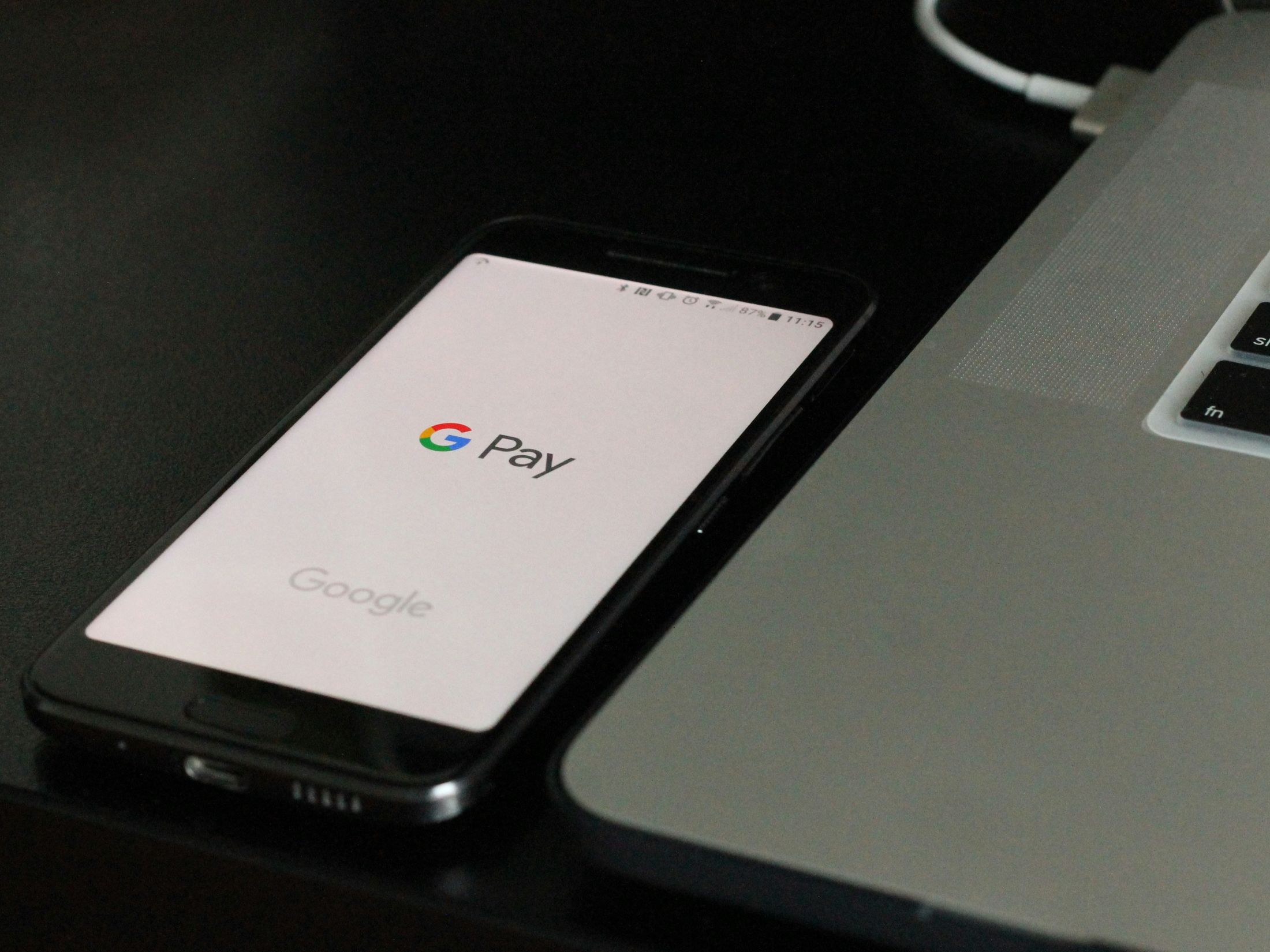
Google Pay is undergoing a significant transformation to accommodate a surge in transactions from AI agents in the near future.
The recent enhancements include the implementation of the Universal Commerce Protocol and a revamped server architecture, positioning Google Pay as a central hub for transactions carried out by autonomous agents rather than human users.
AI agents, programmed to handle tasks such as flight bookings or ordering supplies, face challenges navigating the multi-step, visually-oriented checkout processes designed for human interaction. Google aims to replace this user interface-dependent model with a robust, API-driven backend tailored for machines.
The restructuring of Google Pay introduces several key components:
- Universal Commerce Protocol (UCP): A new specification that aims to standardize how AI agents interact with payment and merchant systems. It establishes a common language for initiating transactions, confirming inventory, and managing fulfillment details, eliminating the need for custom integrations for each merchant or payment provider.
- New Merchant Commerce Platform (MCP) server: A new server-side system acting as an intermediary to manage merchant integrations and analyze transaction patterns. It simplifies the commerce backend complexity for developers building agents and centralizes transactional data from agent-driven activities for Google.
- Dynamic callbacks for Android native: Google enables dynamic callbacks in its Android Pay API for more intricate checkouts, allowing real-time adjustments to orders without restarting the entire process, enhancing transaction flow resilience.
- Expanded WebView support: Extending payment support within WebViews enables transactions to be completed within third-party applications, particularly social media platforms, enhancing the execution of payments within these environments by agents.
Realities of machine-to-machine commerce
The traditional customer journey, once reliant on clicks and page views, now extends to an agent’s ability to process product data and execute transactions through an API.
Marketing leaders must now focus on “search engine optimization” for machines, presenting product data, pricing, and availability in a machine-readable format. Failure to do so may render a business invisible in this new commercial landscape.
The introduction of the MCP server raises concerns regarding data governance and vendor reliance, as Google gains insight into commerce trends through its platform.
CIOs need to evaluate the long-term implications of depending on a proprietary protocol and centralized data aggregation point, weighing the convenience of a universal standard against the risk of platform lock-in.
New architectures for security and trust
Authorizing transactions initiated by autonomous agents introduces new security challenges, with Google introducing cross-device biometric authentication to mitigate risks.
This approach establishes a “human-in-the-loop” security model for sensitive transactions, requiring human verification for certain actions, bridging business policy with software behavior.
These updates to Google Pay signal the necessary architectural changes to support a machine-driven economy, urging enterprises to adapt to this evolution in commerce.
See also: Google integrates Display Ads into AI-first Demand Gen platform
Interested in learning more about AI and big data from industry experts? Explore the AI & Big Data Expo happening in Amsterdam, California, and London, part of TechEx, alongside other top technology events like the Cyber Security & Cloud Expo. Click here for more details.
AI News is brought to you by TechForge Media. Discover upcoming enterprise technology events and webinars here.
Transform the following:
Original: “I will go to the store to buy some groceries.”
Transformed: “To buy some groceries, I will go to the store.”












Lost in the Living Maze: Unraveling Hidden Terrain Magic Through Copy-Paste

Samsung Unveils Exclusive Galaxy Z Fold 8 BTS Edition

Navigating the Digital World: Expert Tech Advice for Everyman

OMass Therapeutics Secures €275 Million Funding to Advance Innovative Small-Molecule Therapies

The Evolution of Apple’s Smart Home Strategy: A Closer Look at Their Own Devices

Unveiling the Imposter: The Truth Behind the Fake WhatsApp Clone on the Play Store

Digital Protection: How a 1988 Law Could Safeguard Your Online Viewing Experience

BMW Unlocks Greater Range for i7 Model Through Innovative Technology

Modern Warfare 4: The Final Chapter and the Birth of a New COD Legacy

EU Takes Action Against Instagram and Facebook for Violating Illegal Content Rules

Warning: Facebook Creators Face Monetization Loss for Stealing and Reposting Videos

Facebook’s New Look: A Blend of Instagram’s Style

Facebook Compliance: ICE-tracking Page Removed After US Government Intervention

Facebook and Instagram to Reduce Personalized Ads for European Users

InstaDub: Meta’s AI Translation Tool for Instagram Videos

Reclaim Your Account: Facebook and Instagram Launch New Hub for Account Recovery

Meta discontinues Messenger apps for Windows and macOS

Breaking Updates: Meta Connect 2025 Unveils Latest Developments

$25,000 Gaming Setup – EVOLUTION!

The Maze Alpha X is HERE!

Cool Tech under $100 – December!

MYSTERY UNBOXING FROM GOOGLE!

TOP 6 Smartphones from Companies you NEVER Expected!

A Surprise Smartphone from EE!

DOOGEE MIX 2 VS DOOGEE MIX 1!

INCREDIBLE Smartphone Gadgets on Amazon!

10 Android Apps you NEED to try in 2017 / 2018
-
 Facebook12 months ago
EU Takes Action Against Instagram and Facebook for Violating Illegal Content Rules
-
 Facebook1 year ago
Warning: Facebook Creators Face Monetization Loss for Stealing and Reposting Videos
-
 Facebook10 months ago
Facebook’s New Look: A Blend of Instagram’s Style
-
 Facebook1 year ago
Facebook Compliance: ICE-tracking Page Removed After US Government Intervention
-
 Facebook10 months ago
Facebook and Instagram to Reduce Personalized Ads for European Users
-
 Facebook1 year ago
InstaDub: Meta’s AI Translation Tool for Instagram Videos
-
 Facebook11 months ago
Reclaim Your Account: Facebook and Instagram Launch New Hub for Account Recovery
-
 Apple12 months ago
Meta discontinues Messenger apps for Windows and macOS
