
Gadgets
Google Pixel’s Big Face ID Disadvantage: A Potential Solution in Sight

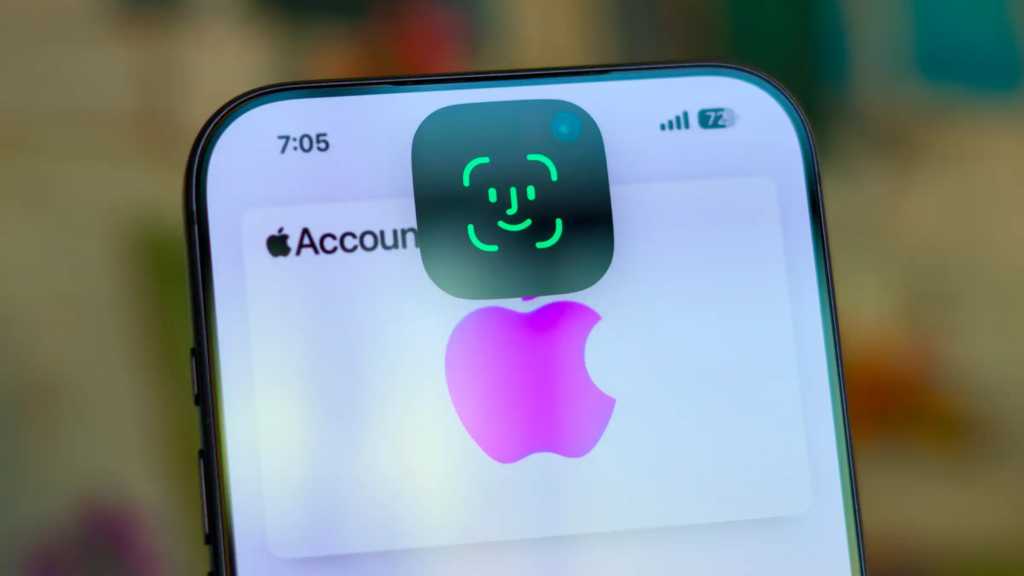
A Breakthrough in Smartphone Security
In 2019, Google’s attempt at 3D facial recognition fell short, but it wasn’t until the release of the Pixel 8 and Pixel 8 Pro four years later that Android users finally experienced a true 3D solution. This advancement allowed for secure authentication of payments and access to banking apps using facial recognition alone.
The convenience of facial recognition was a game-changer, until users encountered difficulties in low-light settings. While Apple’s Face ID functioned flawlessly, Pixel devices struggled to recognize faces in the dark. However, a solution may be on the horizon.
A Promising Software Update
Android Authority has discovered references to “Face Active Illumination” in the beta version of Android 17’s upcoming QPR3 update. Further examination of the code revealed terms like “dark”, “brightness scale”, and “bedtime”, indicating a focus on improving face unlock functionality.
Despite the absence of dedicated infrared technology found in iPhones, recent Pixel models are expected to rely on software enhancements to illuminate faces in low-light conditions. This software-based approach aims to enhance facial recognition performance under challenging lighting circumstances.
The anticipated update is likely to include a feature that detects low-light environments and prompts users to brighten the screen, providing adequate illumination for the facial recognition system to operate effectively.












Unlocking Innovation: The Dial-Powered Smart Lock by Ring

The Kyoto Conundrum: A Detective’s Disappearance in the Shadows of Dark Alley

Tech Advisor: Unveiling the Latest Release Date, Specs, and Rumours

Google Pixel’s Big Face ID Disadvantage: A Potential Solution in Sight

Revolutionizing Drug Discovery: France’s Rivercell Secures €22 Million for AI-Powered Infrastructure

Save Big on the Apple Watch Series 12 – Now $50 Off!

Googlebooks Revives Physical Navigation Buttons: A Surprising Twist

Revolutionizing the MacBook Pro Experience: macOS 27.2 Introduces Touchscreen Code Hints

HUAWEI P20 – THE SMARTPHONE REVOLUTION IS HERE?

EU Takes Action Against Instagram and Facebook for Violating Illegal Content Rules

Warning: Facebook Creators Face Monetization Loss for Stealing and Reposting Videos

Facebook’s New Look: A Blend of Instagram’s Style

Facebook Compliance: ICE-tracking Page Removed After US Government Intervention

Facebook and Instagram to Reduce Personalized Ads for European Users

InstaDub: Meta’s AI Translation Tool for Instagram Videos

Reclaim Your Account: Facebook and Instagram Launch New Hub for Account Recovery

Meta discontinues Messenger apps for Windows and macOS

Breaking Updates: Meta Connect 2025 Unveils Latest Developments
HUAWEI P20 – THE SMARTPHONE REVOLUTION IS HERE?

How OnePlus succeeded when they should have failed.

Samsung sent us THIS! #AD

Ulefone Power 3 – Quad Camera Smartphone that last 2 weeks!

EPIC Smartphone FAILS that people will never forget.

The Best Android Launcher of 2018?

Faraday Future FF 91 – 1050 Horsepower Madness!

The Truth about the OnePlus 5T – REAL Review.

Concept Smartphones that are better than Real Smartphones
-
 Facebook12 months ago
EU Takes Action Against Instagram and Facebook for Violating Illegal Content Rules
-
 Facebook12 months ago
Warning: Facebook Creators Face Monetization Loss for Stealing and Reposting Videos
-
 Facebook10 months ago
Facebook’s New Look: A Blend of Instagram’s Style
-
 Facebook12 months ago
Facebook Compliance: ICE-tracking Page Removed After US Government Intervention
-
 Facebook10 months ago
Facebook and Instagram to Reduce Personalized Ads for European Users
-
 Facebook12 months ago
InstaDub: Meta’s AI Translation Tool for Instagram Videos
-
 Facebook10 months ago
Reclaim Your Account: Facebook and Instagram Launch New Hub for Account Recovery
-
 Apple12 months ago
Meta discontinues Messenger apps for Windows and macOS
