
Tech News
Maximizing ROI with Use Cases: A Comprehensive Guide

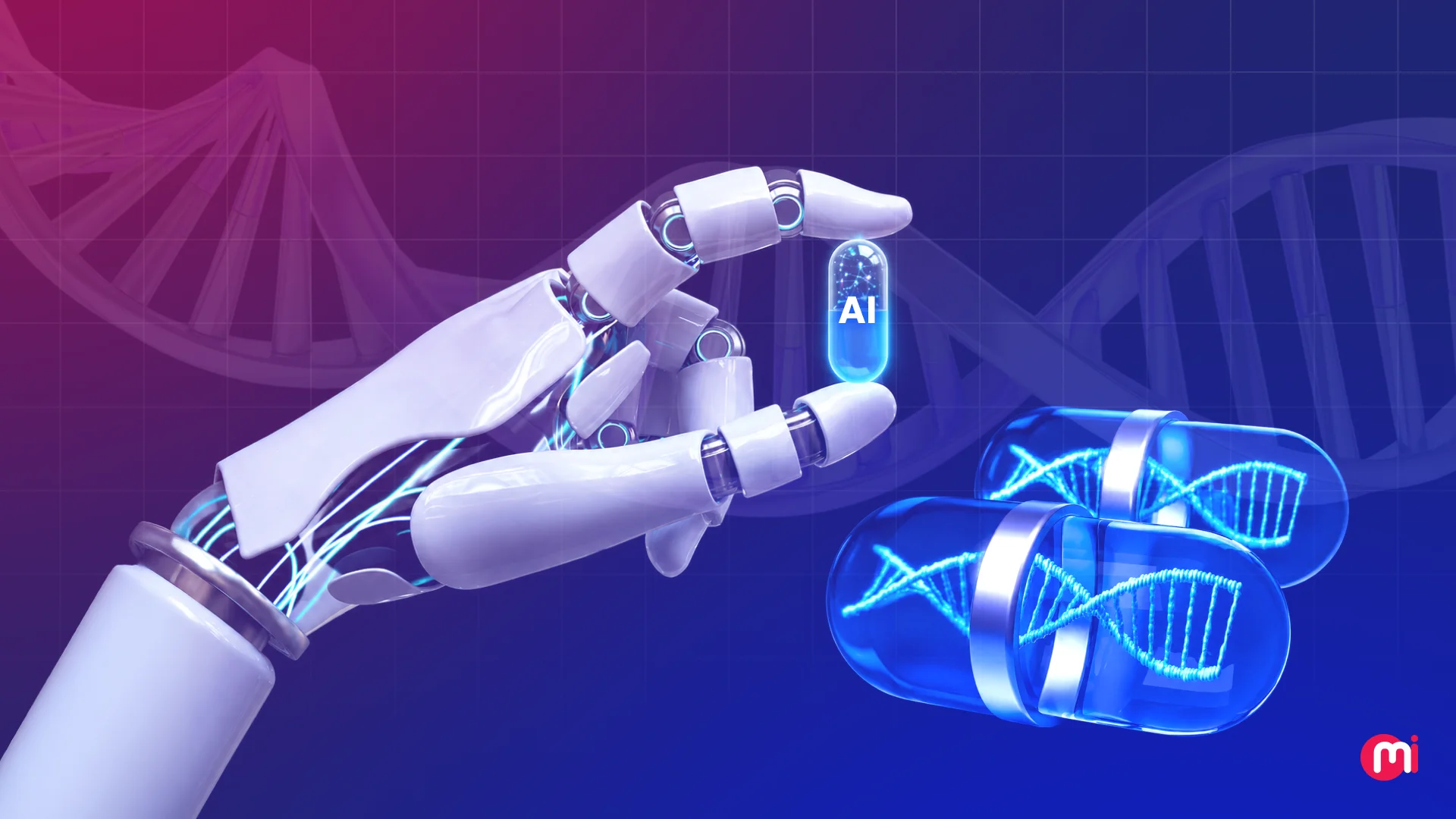
AI’s impact on the pharmaceutical and biotech industries is profound, with the potential to revolutionize drug development, clinical trials, manufacturing, and more. Here are some key insights into how AI is transforming these sectors:
Accelerating Drug Discovery
AI is playing a crucial role in accelerating drug discovery processes by analyzing vast biological, chemical, and clinical datasets. This allows for faster identification of viable drug candidates, reducing development timelines and costs significantly.
Optimizing Clinical Trials
AI is revolutionizing clinical trial optimization by enabling predictive modeling, adaptive designs, and faster patient recruitment through real-world data analysis. This leads to more efficient and cost-effective trials, ultimately benefiting patients and researchers alike.
Enhancing Pharmaceutical Manufacturing
In pharmaceutical manufacturing, AI is driving the shift towards smart, predictive, and continuous processes. By leveraging real-time sensor data, machine learning, and digital twins, AI optimizes complex bioprocesses, predicts equipment failures, and ensures consistent product quality at scale.
Streamlining Pharma Supply Chain
The pharmaceutical supply chain is benefitting from AI-driven solutions that enhance visibility, forecasting accuracy, risk mitigation, and real-time decision-making. AI integrates data from various sources to improve supply chain efficiency, reduce waste, and ensure timely delivery of medicines.
Personalizing Medicine
AI is enabling personalized medicine by analyzing genomics, pharmacogenomics, proteomics, medical imaging, electronic health records, wearable data, and patient-reported outcomes. This allows for tailored treatment plans based on individual profiles, improving efficacy and minimizing side effects.
Revolutionizing Pharmacovigilance
In pharmacovigilance, AI automates repetitive tasks, improves signal detection accuracy, enables real-time surveillance, and shifts safety monitoring from reactive to proactive. AI models analyze diverse data sources to detect, assess, and prevent adverse drug effects effectively.
Transforming Pharma Commercialization and Marketing
AI is reshaping pharmaceutical commercialization by enabling hyper-personalized engagement, accelerating content creation, optimizing omnichannel strategies, and empowering field forces with real-time insights. This leads to more effective marketing campaigns and improved customer engagement.
Trends Shaping AI in Pharma and Biotech
Key trends in the industry include the rise of agentic and generative AI, multimodal models, verticalized solutions, hybrid human-AI systems, AI-enabled precision medicine, and AI-native drug discovery and development. These trends are shaping the future of pharmaceutical and biotech innovation.
How MindInventory Supports AI-Driven Initiatives
MindInventory offers comprehensive support for AI-driven initiatives in the pharmaceutical and biotech sectors. With expertise in custom AI development, generative AI, clinical and operational solutions, compliance governance, and validation, MindInventory ensures the successful implementation of AI solutions in regulated environments.
FAQs About AI in Pharma and Biotech
- Biggest Impact of AI in Pharma: Accelerating drug discovery and development.
- Reduction in Drug Development Costs: AI can cut early-stage discovery timelines by up to 50% and reduce costs by 25-40%.
- Difference in AI Clinical Trials: AI offers predictive, adaptive, and automated capabilities compared to traditional rule-based systems.
- AI in Manufacturing Quality: Improves quality through real-time monitoring, predictive maintenance, and automated inspection.
- ROI Timeline for Pharmaceutical AI: Implementation timelines can vary from 6 months to 5+ years, depending on complexity and application category.
- Generative and Agentic AI in Biotech: Transforming R&D processes through faster, data-driven workflows.
- Data Requirements for AI Implementation: Preclinical, clinical, manufacturing, and supply chain data are essential for successful AI implementation in pharma and biotech.
AI is reshaping the pharmaceutical and biotech industries, offering immense potential for innovation, efficiency, and improved patient outcomes. By leveraging AI technologies effectively, organizations can stay at the forefront of scientific advancement and drive positive change in healthcare.











Breaking Boundaries: Maynooth University’s Groundbreaking DNA Computer Innovation

Tomorrow’s Echoes: A Haunting October Encounter

Renewable Energy Software Development: A Comprehensive Overview

Motorola Signature 27: Unveiling Tomorrow – Get a Sneak Peek at the Exciting Features!

Streamlining Startup Success: The Ultimate Customer Onboarding Software

Enhancing Visibility in Your Enterprise AI Ecosystem: Tips and Strategies

Unlocking Success: The Ultimate Guide to Maximizing Your Wins with the 2024 Microsoft Office Pro Plus Lifetime License

The ULTIMATE Smartphone Unboxing!!

The Fast Lane: Apple’s CEO John Ternus and his $800,000 Porsche 935

EU Takes Action Against Instagram and Facebook for Violating Illegal Content Rules

Warning: Facebook Creators Face Monetization Loss for Stealing and Reposting Videos

Facebook’s New Look: A Blend of Instagram’s Style

Facebook Compliance: ICE-tracking Page Removed After US Government Intervention

Facebook and Instagram to Reduce Personalized Ads for European Users

InstaDub: Meta’s AI Translation Tool for Instagram Videos

Reclaim Your Account: Facebook and Instagram Launch New Hub for Account Recovery

Meta discontinues Messenger apps for Windows and macOS

Breaking Updates: Meta Connect 2025 Unveils Latest Developments
The ULTIMATE Smartphone Unboxing!!

HOW GOOD can a $250 Smartphone Camera be!?

10 Android Apps you NEED to try in 2018

They could not believe how cheap this Phone is

A $50,000 Smartphone for $400?

Huawei P20 Pro Unboxing!

Huawei P20 Pro vs Samsung S9 Plus!

Huawei P20 vs P20 Pro vs iPhone 8 Plus vs S9 Battery Drain Test!

10 Android Mods that Change Everything
-
 Facebook11 months ago
EU Takes Action Against Instagram and Facebook for Violating Illegal Content Rules
-
 Facebook11 months ago
Warning: Facebook Creators Face Monetization Loss for Stealing and Reposting Videos
-
 Facebook10 months ago
Facebook’s New Look: A Blend of Instagram’s Style
-
 Facebook11 months ago
Facebook Compliance: ICE-tracking Page Removed After US Government Intervention
-
 Facebook10 months ago
Facebook and Instagram to Reduce Personalized Ads for European Users
-
 Facebook11 months ago
InstaDub: Meta’s AI Translation Tool for Instagram Videos
-
 Facebook10 months ago
Reclaim Your Account: Facebook and Instagram Launch New Hub for Account Recovery
-
 Apple11 months ago
Meta discontinues Messenger apps for Windows and macOS
