
Startups
Powering the Future: 10 European GridTech Innovators Revolutionizing Energy Systems

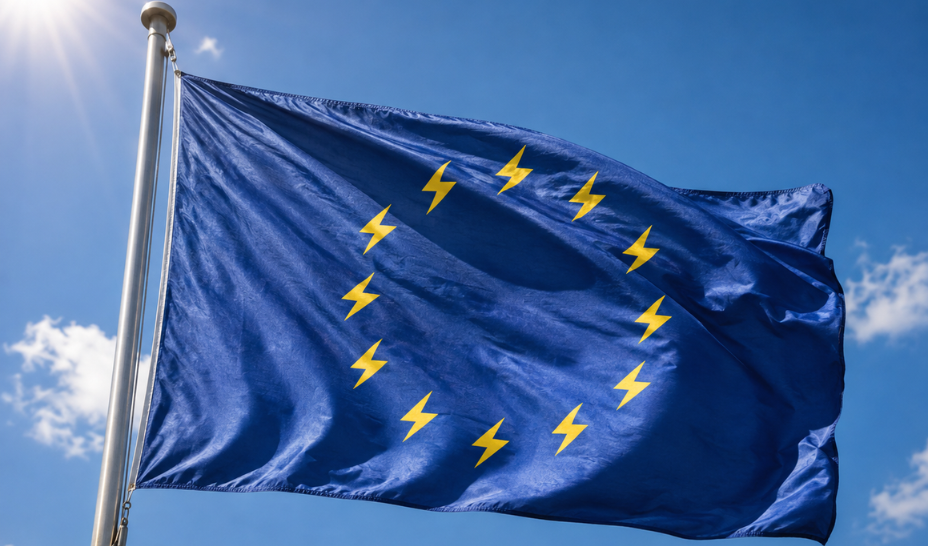
Europe’s electricity grid is becoming one of the defining infrastructure challenges of the energy transition.
The issue is increasingly visible at the regulatory level. Yesterday it was reported that senior European Commission official Christof Lessenich is being put forward to head the EU Agency for the Cooperation of Energy Regulators (ACER), the body responsible for coordinating national energy regulators and overseeing Europe’s increasingly interconnected electricity market.
Building transmission infrastructure remains important, but the growing complexity of the system is also creating demand for technology capable of making better use of the grid Europe already has.
Startups are moving into that gap with virtual power plants, AI-powered energy trading, smart metering, battery optimization, and software capable of coordinating thousands of distributed assets.
Not every company below builds technology directly for transmission or distribution system operators – but all are tackling the broader problem of making a more decentralized European power system measurable, flexible, and easier to balance.
Here are 10 European Grid-Tech startups to keep an eye on, presented in alphabetical order.
1. Axle Energy
Founded in London in 2023, Axle Energy is building an energy-flexibility platform that turns distributed assets including EV chargers, home batteries, and heat pumps into grid-balancing capacity. Rather than requiring utilities and equipment manufacturers to develop their market-access infrastructure, Axle connects assets, forecasts their availability, aggregates them, and dispatches their flexibility into electricity markets. The result is effectively a virtual power plant assembled from infrastructure already sitting in homes, fleets, and businesses. The company says it now coordinates more than 300,000 connected assets representing over 2 GW of capacity. In July, Axle Energy raised €21 million in Series A funding to expand in the UK and internationally.
2. Bohr Energie
Toulouse-based Bohr Energie specializes in aggregating and optimizing distributed renewable-energy and flexible assets, including batteries and hybrid generation systems. Its technology sits between individual energy assets and electricity markets, helping producers and asset owners coordinate generation and storage while responding to changing prices and system requirements. As increasing amounts of solar, wind, and storage enter the grid, aggregation platforms such as Bohr are becoming important for turning fragmented capacity into something energy markets can use more efficiently. In July, the company secured €10 million in Series A funding to expand its AI-powered renewable-energy aggregation platform.
3. Capalo AI
Helsinki-based Capalo AI is developing an AI-powered virtual power plant focused particularly on battery energy-storage systems. Its software combines forecasting with optimization models to decide when batteries should charge, discharge, and participate in electricity markets. By connecting storage and renewable assets across multiple locations into a single virtual portfolio, the platform can respond to grid conditions and market prices in real-time. That makes the technology particularly relevant as renewable penetration creates greater volatility between periods of excess and insufficient generation. In February, Capalo AI raised €11 million in Series A funding to accelerate the European rollout of its VPP. The company said its contracted battery capacity had already surpassed 1 GW during 2025.
4. Companion.energy
Founded in 2022 and headquartered in Ghent, Companion.energy is approaching grid flexibility from the enterprise side. Its platform helps large industrial and commercial organizations manage their energy procurement, consumption, and distributed assets in real-time. Batteries, solar installations, EV charging infrastructure, and electrified industrial systems can all be coordinated rather than managed through separate tools and contracts. As electricity prices become more volatile, the startup wants energy-management software to move beyond dashboards and recommendations towards automated execution, deciding how assets should operate in response to market conditions. Companion.energy raised €7.8 million in Seed funding in June to develop its multi-asset optimization platform and expand across Europe, beginning with Germany and Spain.
5. Eddy Grid
Utrecht-based Eddy Grid, founded in 2023, develops algorithms that optimize solar, wind, and battery assets in real-time across electricity markets. The underlying challenge is becoming increasingly complicated. A single grid connection might now combine generation, consumption, and battery storage, while electricity prices and grid constraints can change throughout the day. Eddy Grid’s software determines how those assets should operate to maximize their economic value, helping asset owners respond dynamically rather than running renewable infrastructure in isolation. The startup announced €7.5 million in new financing in May after reporting revenue growth of almost 900% during 2025. It also said it had become cash-flow positive.
6. Einklang
Founded in Cologne in 2025, Einklang is bringing battery-enabled energy flexibility to Germany’s small and medium-sized businesses. Its Energy-as-a-Service model combines electricity procurement, battery storage, intelligent controls, and flexible tariffs. The system can shift when companies draw power from the grid or use stored electricity, helping them avoid expensive demand peaks and consume power when renewable generation and lower prices are available. That may appear to be primarily a cost-saving proposition, but aggregated demand flexibility is also becoming increasingly valuable to electricity networks attempting to manage congestion and variable generation. In February, Einklang raised €2.2 million to scale the model, claiming its system can cut electricity costs for some SME customers by 30% to 40%.
7. Entrix
Munich-based Entrix operates at the intersection of battery storage, electricity trading, and grid flexibility. Founded in 2021, the company optimizes large battery-storage assets using AI-driven trading technology that responds to electricity prices, grid requirements, and individual portfolio strategies. It also structures longer-term revenue models intended to make battery projects more financeable. The company had reached 3 GW and 8.5 GWh of contracted battery-storage capacity by March, spanning around 70 assets in several European markets. That month, Entrix raised €43 million in additional capital as it expands its flexible-energy trading and optimization activities across Europe.
8. Hybrid Greentech
Copenhagen-based Hybrid Greentech is developing virtual power plant technology and tools for integrating renewable-energy assets into electricity markets. Its platform aggregates assets such as batteries and renewable generation so their flexibility can be traded and used to support the wider power system. Europe is undergoing a transformation in its energy landscape, with a shift towards renewable sources and the need for innovative solutions to balance supply and demand. Virtual Power Plant (VPP) technology is playing a key role in this transition by allowing individual batteries and renewable sites to operate collectively as a dispatchable energy resource.
One company at the forefront of this energy revolution is Hybrid Greentech, which recently secured over €15 million in investment to expand its operations in Europe and connect with additional energy exchanges. This investment will help accelerate the adoption of VPP technology and facilitate the integration of renewable energy sources into the grid.
Another player in the energy sector is metiundo, a Berlin-based company focused on digitizing energy and water consumption in buildings. By combining smart-metering hardware, software, and market communication infrastructure, metiundo is able to capture granular data on energy consumption and generation, enabling more efficient use of renewable energy assets such as solar panels and batteries.
In February, metiundo received €40 million in funding to further develop its smart-metering platform and software, highlighting the growing importance of accurate energy measurement in the transition to a more sustainable energy system.
On the other side of the spectrum is tem, a London-based company that is revolutionizing the way energy is bought and sold. Founded in 2021, tem’s AI-native transaction platform connects businesses and electricity generators directly, streamlining the energy trading process and reducing reliance on traditional intermediaries.
tem’s technology, including the AI-powered transaction engine Rosso and the digital energy supplier RED, is helping businesses and consumers navigate the evolving energy market landscape in Europe. In February, tem raised €62.9 million in Series B funding, reflecting the growing demand for innovative energy trading solutions in a rapidly changing market.
Overall, Europe’s energy grid is undergoing a fundamental shift, requiring not only physical infrastructure but also a digital coordination layer to manage the increasing complexity of the energy system. Companies like Capalo AI, Hybrid Greentech, metiundo, and tem are leading the way in developing innovative solutions to address these challenges and drive the transition towards a more sustainable and efficient energy future.
In conclusion, the future of Europe’s energy sector lies in the hands of these innovative startups, paving the way for a more sustainable and resilient energy system. From aggregating batteries into virtual power plants to digitizing energy data and revolutionizing energy trading, these companies are shaping the future of energy in Europe. Transform the following sentence into passive voice:
“The teacher will grade the exams tomorrow.”
The exams will be graded by the teacher tomorrow.












Apple TV 4K: A Vintage First-Gen Retrospective

Unbeatable Deals on Australia’s Most Affordable Seven-Seat Diesel SUV

Forza Horizon 6: Revving Up for a 2027 Release on PS5

Embracing Success: A Geek’s Guide to Conquering the Stereotypes of Villainy

Uncovering the Bronze Age Influence in Paradox’s Afterworld: A Deeper Dive Beyond the Top Five Reference Points

iPhone Duo: The Future of Mobile Dominance

Tech Advisor: The Delayed Android 17 QPR1 Update for Pixel 11

Venture Capital Firm Monte Carlo Capital Secures €13 Million for Fund II to Back Early-Stage DeepTech, AI, and SpaceTech Startups

The Battle Over iPhone Driver’s Licenses: Florida and Rhode Island Stand Firm

EU Takes Action Against Instagram and Facebook for Violating Illegal Content Rules

Warning: Facebook Creators Face Monetization Loss for Stealing and Reposting Videos

Facebook’s New Look: A Blend of Instagram’s Style

Facebook Compliance: ICE-tracking Page Removed After US Government Intervention

Facebook and Instagram to Reduce Personalized Ads for European Users

InstaDub: Meta’s AI Translation Tool for Instagram Videos

Reclaim Your Account: Facebook and Instagram Launch New Hub for Account Recovery

Meta discontinues Messenger apps for Windows and macOS

Breaking Updates: Meta Connect 2025 Unveils Latest Developments

How Smart is the AI-Powered Huawei Mate 10 – with EMUI 8.0?

I used a 2012 Smartphone in 2018 – Here’s what happened.

How to send ANY file Anywhere!

NEW Oneplus 5T Sandstone White Unboxing – The Ultimate Oneplus 5T?

HUAWEI P20 – THE SMARTPHONE REVOLUTION IS HERE?

How OnePlus succeeded when they should have failed.

Samsung sent us THIS! #AD

Ulefone Power 3 – Quad Camera Smartphone that last 2 weeks!

EPIC Smartphone FAILS that people will never forget.
-
 Facebook12 months ago
EU Takes Action Against Instagram and Facebook for Violating Illegal Content Rules
-
 Facebook12 months ago
Warning: Facebook Creators Face Monetization Loss for Stealing and Reposting Videos
-
 Facebook10 months ago
Facebook’s New Look: A Blend of Instagram’s Style
-
 Facebook12 months ago
Facebook Compliance: ICE-tracking Page Removed After US Government Intervention
-
 Facebook10 months ago
Facebook and Instagram to Reduce Personalized Ads for European Users
-
 Facebook12 months ago
InstaDub: Meta’s AI Translation Tool for Instagram Videos
-
 Facebook10 months ago
Reclaim Your Account: Facebook and Instagram Launch New Hub for Account Recovery
-
 Apple12 months ago
Meta discontinues Messenger apps for Windows and macOS
