
Cars
Revolutionizing Electric Vehicles: The Future of Steer-by-Wire Technology with 926 km Range and 800V Power

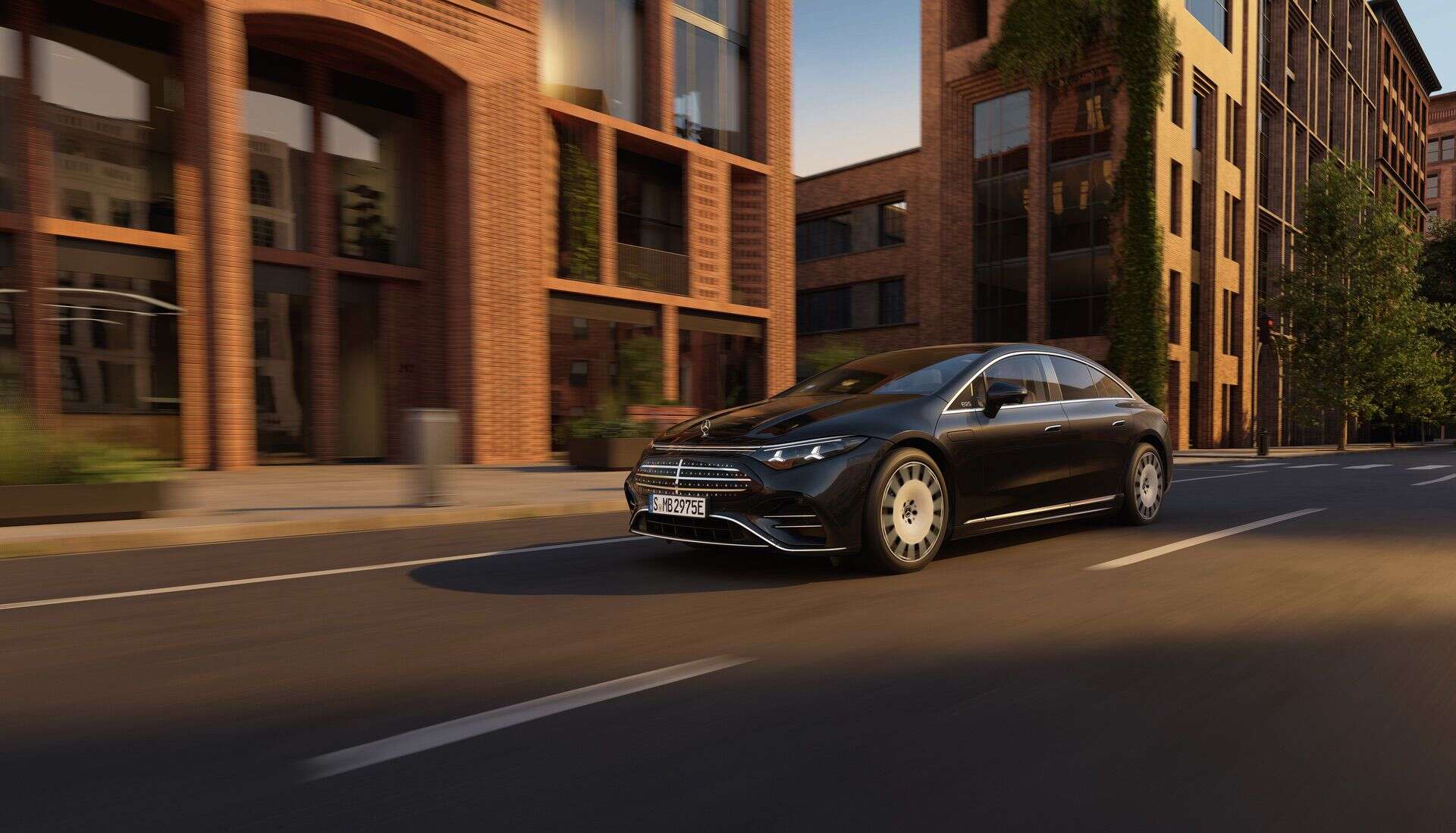
Mercedes-Benz has recently introduced a significantly revamped version of its flagship electric sedan, the EQS. The company claims that over 25% of the vehicle’s components have been updated, indicating a comprehensive engineering overhaul beyond cosmetic changes. The most significant transformation lies beneath the surface. The EQS has transitioned from a 400-volt to an 800-volt electrical system, adopting the same foundational architecture as the latest CLA model and incorporating steer-by-wire technology. As a model that has long served as a technology showcase within the Mercedes-Benz lineup, the 2026 EQS takes a further step in that direction.
With the EQS 450+, Mercedes boasts an impressive WLTP range of up to 926 kilometers, marking a 13% improvement over its predecessor. This positions the EQS as one of the luxury electric vehicles with the longest range available, particularly on the European test cycle. The enhanced range is attributed to several updates working in harmony. The battery capacity has been increased from 118 to 122 kWh, while a revised cell chemistry utilizing silicon oxide and graphite in the anode has improved energy density and reduced cobalt content. Additionally, Mercedes has introduced a new EQS 400 variant at the lower end of the range, generating 270 kW and equipped with a 112-kWh battery.
The transition to 800-volt hardware has also elevated the EQS’s charging capabilities. With DC fast charging now reaching up to 350 kW, Mercedes claims that up to 320 kilometers of WLTP range can be added in just 10 minutes under optimal conditions. The vehicle’s battery can be divided into two virtual sections when charging at older 400-volt stations, enabling each half to draw up to 175 kW. Furthermore, Mercedes has boosted regenerative braking output by approximately 385 kW and introduced a new two-speed rear transmission for improved low-speed response and highway efficiency. Rear-wheel-drive versions now support a higher towing capacity of up to 1,600 kg, with bidirectional charging capabilities slated for future implementation through an over-the-air update.
A notable addition to the EQS is the optional steer-by-wire setup, making it the first German series-production car to offer this technology. By eliminating the physical mechanical link between the steering wheel and the front wheels and transmitting inputs electronically, Mercedes can fine-tune steering feel, reduce unwanted vibrations, and employ a flatter steering wheel design. Redundancy is a key aspect of the steer-by-wire system, with the EQS utilizing dual signal paths and providing rear-axle steering and wheel-specific braking intervention as backup support. While the feature will not be immediately available at launch, it is expected to be introduced shortly thereafter.
The 2026 EQS also adopts Mercedes-Benz’s new MB.OS software architecture, serving as the core platform for managing everything from infotainment to drivetrain and driver-assistance functions. Integrated with the Mercedes-Benz Intelligent Cloud, this platform allows for continuous over-the-air updates post-purchase. The MBUX Virtual Assistant has been enhanced to incorporate Microsoft AI for more conversational, multi-step voice interactions. The vehicle comes standard with the MBUX Hyperscreen spanning over 55 inches across the dashboard, with rear-seat passengers benefiting from two 13.1-inch displays, updated handheld remotes, and support for popular video conferencing apps.
In terms of driver-assistance features, the EQS utilizes the MB.DRIVE system, which employs a total of 27 sensors, including 10 cameras, five radar sensors, and 12 ultrasonic sensors. The Parking Assist feature has been upgraded to detect diagonal parking spaces and operate at speeds of up to 5 km/h.
Internally, the EQS introduces incremental changes such as heated front seatbelts, a HEPA filter for air filtration capturing 99.65% of particles, new anthracite open-pore poplar trim, and the option of a fully leather-free interior for the first time. Personalization options have been expanded through the MANUFAKTUR Made to Measure program, offering approximately 125 paint colors. The DIGITAL LIGHT headlamps have been enhanced with micro-LED technology, increasing the illuminated field while reducing energy consumption, with the ULTRA RANGE high beam reaching up to 600 meters.
Overall, the 2026 EQS represents a substantial technical evolution rather than a routine mid-cycle update. The transition to 800 volts, the integration of steer-by-wire technology, the adoption of the new MB.OS platform, and the impressive WLTP range figure all indicate Mercedes’ commitment to keeping the EQS competitive in an increasingly challenging market segment. This strategic approach will be crucial in positioning the EQS against competitors like the upcoming BMW i7 facelift update.
Discover the Top SEO Keywords for Your WordPress Website
Are you looking to boost your WordPress website’s visibility on search engines? Incorporating relevant SEO keywords is key to attracting more visitors and improving your site’s ranking. In this article, we’ll explore the importance of using the right keywords and how you can effectively incorporate them into your content.
Why are SEO Keywords Important?
SEO keywords are specific words or phrases that people type into search engines when looking for information. By including these keywords in your content, you can make it easier for search engines to understand what your website is about and rank it higher in search results. This can lead to increased organic traffic and more potential customers finding your site.
How to Find the Right Keywords
There are many tools available to help you research and identify the best keywords for your website. Google Keyword Planner, SEMrush, and Ahrefs are popular options that can provide valuable insights into search volume, competition, and related keywords. By targeting long-tail keywords and phrases that are relevant to your content, you can attract more qualified traffic to your site.
Incorporating Keywords into Your Content
Once you’ve identified your target keywords, it’s important to naturally incorporate them into your content. Avoid keyword stuffing, as this can hurt your site’s ranking and make your content sound unnatural. Instead, focus on creating high-quality, informative content that provides value to your readers while including relevant keywords where appropriate.
By following these tips and incorporating relevant SEO keywords into your WordPress website, you can improve your site’s visibility and attract more organic traffic. Remember to regularly review and update your keywords to stay ahead of the competition and continue driving qualified leads to your site.









Digital Protection: How a 1988 Law Could Safeguard Your Online Viewing Experience

BMW Unlocks Greater Range for i7 Model Through Innovative Technology

Modern Warfare 4: The Final Chapter and the Birth of a New COD Legacy

Enhanced Sleep Tracking for Samsung Health: Galaxy Watch, Fit, and Ring Upgrade

Building a Sustainable Future: Actionable Recommendations from the European Parliament

Exploring the Superior Camera Quality of the Oppo Find X10 Pro Max: First Impressions from Tech Advisor

Strategies for Reducing Customer Acquisition Costs While Maintaining Lead Quality

Preorder the iPhone Duo for $1,999 and Experience the Ultimate Mobile Duo

Enhancing Google’s AI Responses with Prominent Inline Links

EU Takes Action Against Instagram and Facebook for Violating Illegal Content Rules

Warning: Facebook Creators Face Monetization Loss for Stealing and Reposting Videos

Facebook’s New Look: A Blend of Instagram’s Style

Facebook Compliance: ICE-tracking Page Removed After US Government Intervention

Facebook and Instagram to Reduce Personalized Ads for European Users

InstaDub: Meta’s AI Translation Tool for Instagram Videos

Reclaim Your Account: Facebook and Instagram Launch New Hub for Account Recovery

Meta discontinues Messenger apps for Windows and macOS

Breaking Updates: Meta Connect 2025 Unveils Latest Developments

$25,000 Gaming Setup – EVOLUTION!

The Maze Alpha X is HERE!

Cool Tech under $100 – December!

MYSTERY UNBOXING FROM GOOGLE!

TOP 6 Smartphones from Companies you NEVER Expected!

A Surprise Smartphone from EE!

DOOGEE MIX 2 VS DOOGEE MIX 1!

INCREDIBLE Smartphone Gadgets on Amazon!

10 Android Apps you NEED to try in 2017 / 2018
-
 Facebook12 months ago
EU Takes Action Against Instagram and Facebook for Violating Illegal Content Rules
-
 Facebook1 year ago
Warning: Facebook Creators Face Monetization Loss for Stealing and Reposting Videos
-
 Facebook10 months ago
Facebook’s New Look: A Blend of Instagram’s Style
-
 Facebook1 year ago
Facebook Compliance: ICE-tracking Page Removed After US Government Intervention
-
 Facebook10 months ago
Facebook and Instagram to Reduce Personalized Ads for European Users
-
 Facebook1 year ago
InstaDub: Meta’s AI Translation Tool for Instagram Videos
-
 Facebook10 months ago
Reclaim Your Account: Facebook and Instagram Launch New Hub for Account Recovery
-
 Apple12 months ago
Meta discontinues Messenger apps for Windows and macOS
