
Inovation
"Revolutionizing Security: How Biometric Technology is Transforming the Banking, Healthcare, and Transportation Industries"

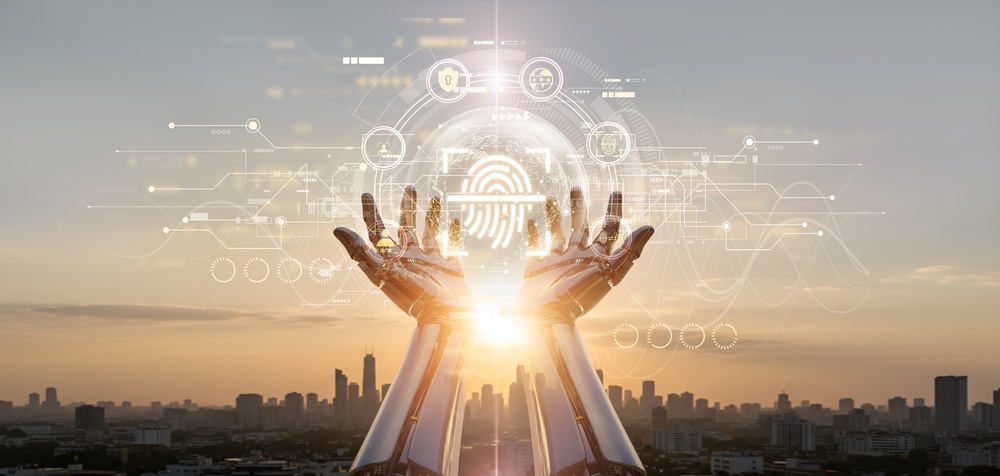
Biometric Technology: From Specialist Security to Everyday Life in Europe
The advancement of biometric technology in Europe is rapidly expanding beyond specialized security applications and into daily life. Facial recognition, fingerprints, voice recognition, and other biometric systems are increasingly utilized for identity verification, transaction authentication, border management, and streamlined access to services.
The integration of artificial intelligence is driving this expansion, with more advanced algorithms capable of processing biometric data faster and in more complex environments. This progress is creating opportunities across various sectors, including banking, healthcare, transportation, and retail.
However, Europe’s biometric landscape is under close scrutiny, particularly with the implementation of the EU AI Act. This legislation imposes restrictions on certain biometric applications and additional requirements on high-risk systems, complementing existing protections under the GDPR.
This dynamic environment is fostering a rapidly evolving market where technological advancements and regulatory oversight are progressing hand in hand.
Here are seven sectors where biometric technology is already making an impact or has the potential to revolutionize service delivery:
1. Border Control and Migration
The use of biometric technology in European border management is one of the most significant applications. Systems like the EU’s Entry/Exit System (EES) incorporate facial images and fingerprints to digitally record entries and exits of non-EU nationals, replacing traditional passport stamps.
eu-LISA manages extensive EU information systems supporting migration, security, and cross-border mobility, many of which utilize biometric data. The evolution of systems like Eurodac aims to enhance interconnected identity systems for improved identification and border security.
Automated biometric verification has the potential to expedite border processes, enhance identity protection, and facilitate more reliable identification by authorities.
2. Law Enforcement and Public Safety
Biometrics offer powerful tools for law enforcement, aiding in the identification of unknown individuals through facial recognition, fingerprints, and other biometric characteristics. While AI has expanded the capabilities of these systems, Europe has imposed significant restrictions on their use, particularly in real-time remote biometric identification.
The EU AI Act prohibits certain biometric practices and enforces strict conditions on high-risk biometric systems, emphasizing the balance between technological development and proportionate use.
Law enforcement agencies must demonstrate the benefits of biometric tools for public safety while ensuring they do not lead to unnecessary surveillance or privacy infringements.
3. Banking and Financial Services
Biometric authentication has gained traction in the financial sector, providing a secure means of verifying customer identities in activities like account opening and transaction authorization. European banks and fintech companies utilize facial recognition, fingerprints, and other biometric methods alongside traditional security measures.
Remote onboarding processes leverage biometric checks to verify applicants without physical branch visits, enhancing security and combating fraud and identity theft.
The emerging European Digital Identity Wallet introduces additional security layers to the financial ecosystem, with pilots exploring online account opening and payment authentication.
4. Healthcare
Biometric identification in healthcare aims to link records, prescriptions, and services to the correct individuals, particularly beneficial in systems with patient mobility. The European Digital Identity Wallet is being tailored for healthcare use, facilitating access to electronic prescriptions and health-related credentials.
Biometrics also enhance access security to medical systems and devices, offering alternatives to password-based authentication and potentially contributing to personalized care through biometric monitoring technologies.
The sensitive nature of medical information requires careful consideration when integrating biometric data to ensure patient privacy and data protection.
5. Travel and Transport
Biometric technology is transforming passenger experiences in airports and transport hubs by simplifying identity verification processes. Automated biometric verification aims to reduce queues, streamline passenger processing, and enhance operational efficiency for transport operators.
The integration of biometrics with digital travel credentials and mobile identity systems is expected to optimize recognition performance in uncontrolled environments, addressing factors like lighting, camera positioning, and passenger behavior.
European initiatives like the Digital Identity Wallet pilots are exploring digital travel credentials and transport-related applications to enhance passenger journeys.
6. Digital Identity and Government Services
The integration of identity technologies into digital services is a significant long-term development in Europe. The EU Digital Identity Wallet enables citizens, residents, and businesses to verify their identities and share credentials securely when accessing public and private services.
Biometrics may play a crucial role in this process, particularly in verifying the legitimate holder of the digital wallet. Pilots across Europe are testing various applications, spanning banking, healthcare, travel, education, payments, and government services.
This shift towards digital identity frameworks could revolutionize how Europeans authenticate their identities, streamlining transactions and minimizing information disclosure.
7. Retail, Workplaces, and Consumer Technology
Biometrics are extending into diverse areas of daily life, including retail, workplaces, and consumer technology. Retailers leverage biometric systems for identity verification, payments, access control, and fraud prevention, enhancing authentication processes for customers.
In workplaces, biometric authentication regulates access to facilities, devices, and restricted areas, though it raises privacy concerns and proportionality considerations. Consumer technology, notably smartphones, has popularized fingerprint and facial authentication, showcasing the fusion of convenience and security in biometric applications.
Acceptance of biometric technology varies across contexts, highlighting the importance of consent and privacy in its deployment.
The European Biometric Landscape
Biometric technology offers speed, security, and user-friendliness across various sectors, transforming systems and services in Europe. However, the unique nature of biometric data underscores the importance of robust security measures and data governance.
Europe’s regulatory framework, including the GDPR and the AI Act, emphasizes the protection of biometric data and ensures responsible innovation in the biometric sector.
As biometric technology continues to evolve and integrate into daily life, building trust among European citizens will be essential for its sustainable growth. Ensuring transparency, data protection, and accountability will be pivotal in shaping the future of biometrics in Europe and beyond.










Unleashing Potential: Overcoming Limitations

Uncovering the Bystander Problem: Insights from a Former AWS Security Engineer on Amazon’s Bee AI Devices

Arizona Sunshine: Unleashing the Doggy Co-op Mode in January

International Collaboration: Surrey, Sheffield, and Melbourne Join Forces on £3.2m Project to Create Provably Secure Sandbox for AI Agents

Tech Advisor Announces Samsung Galaxy Phones Now Available on Google Play Store

Exploring the Boundaries of Physical AI: Insights from an Nvidia Veteran Turned Investor

The Latest Updates on Apple’s iPhone Duo

Google Unveils Revolutionary ‘Universal’ Online Shopping Cart for Seamless Shopping Experience

Upgrade Alert: HomePod Mini 2 and HomePod 2 Set to Become Default Mac Speakers

EU Takes Action Against Instagram and Facebook for Violating Illegal Content Rules

Warning: Facebook Creators Face Monetization Loss for Stealing and Reposting Videos

Facebook’s New Look: A Blend of Instagram’s Style

Facebook Compliance: ICE-tracking Page Removed After US Government Intervention

Facebook and Instagram to Reduce Personalized Ads for European Users

InstaDub: Meta’s AI Translation Tool for Instagram Videos

Reclaim Your Account: Facebook and Instagram Launch New Hub for Account Recovery

Meta discontinues Messenger apps for Windows and macOS

Breaking Updates: Meta Connect 2025 Unveils Latest Developments

Finally Fixing my Wi-Fi – Zyxel Multy X!

$25,000 Gaming Setup – EVOLUTION!

The Maze Alpha X is HERE!

Cool Tech under $100 – December!

MYSTERY UNBOXING FROM GOOGLE!

TOP 6 Smartphones from Companies you NEVER Expected!

A Surprise Smartphone from EE!

DOOGEE MIX 2 VS DOOGEE MIX 1!

INCREDIBLE Smartphone Gadgets on Amazon!
-
 Facebook12 months ago
EU Takes Action Against Instagram and Facebook for Violating Illegal Content Rules
-
 Facebook1 year ago
Warning: Facebook Creators Face Monetization Loss for Stealing and Reposting Videos
-
 Facebook10 months ago
Facebook’s New Look: A Blend of Instagram’s Style
-
 Facebook1 year ago
Facebook Compliance: ICE-tracking Page Removed After US Government Intervention
-
 Facebook10 months ago
Facebook and Instagram to Reduce Personalized Ads for European Users
-
 Facebook1 year ago
InstaDub: Meta’s AI Translation Tool for Instagram Videos
-
 Facebook11 months ago
Reclaim Your Account: Facebook and Instagram Launch New Hub for Account Recovery
-
 Apple12 months ago
Meta discontinues Messenger apps for Windows and macOS
