
Tech News
The Power of Digital Twins in Revolutionizing Product Development

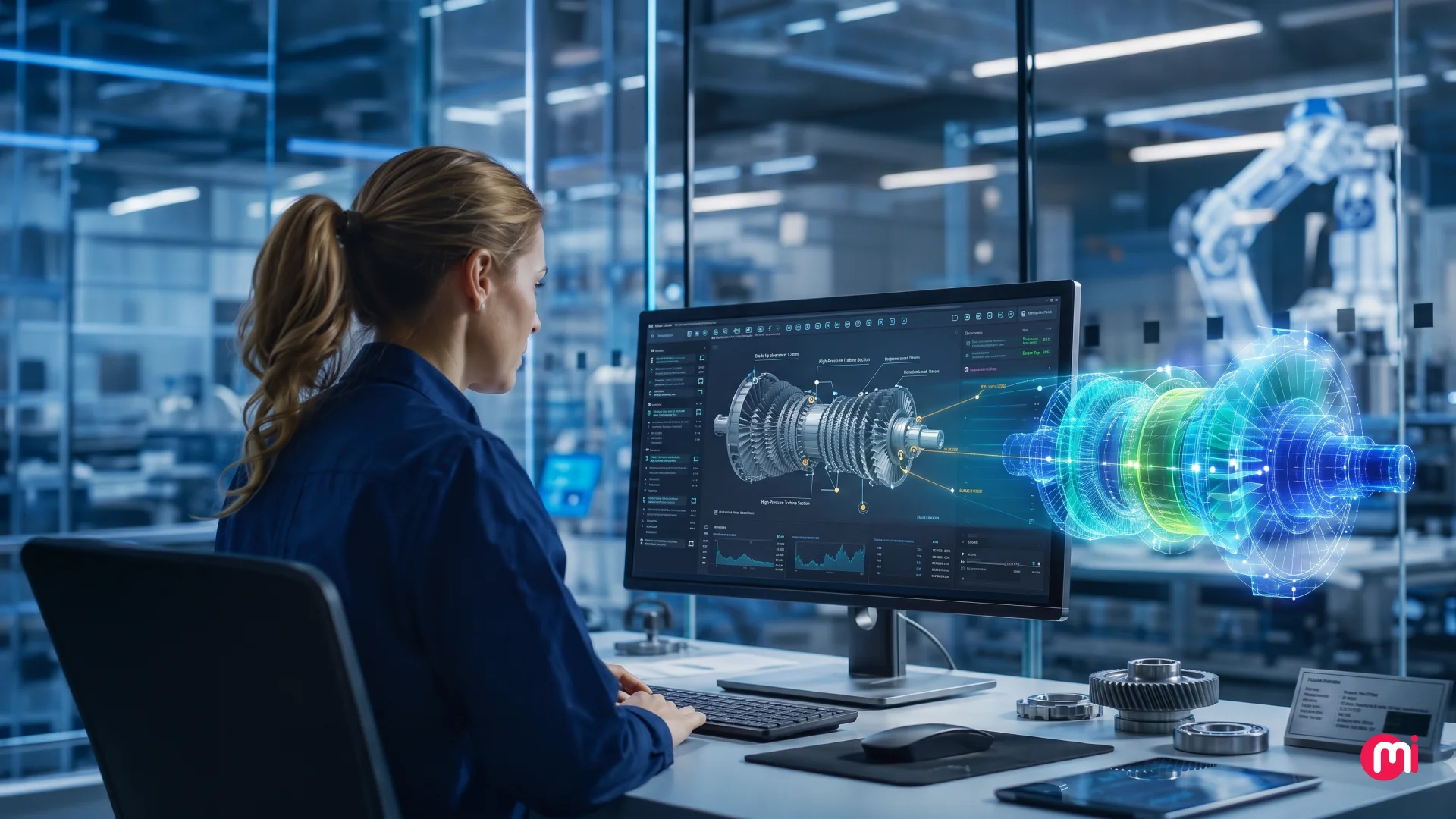
Digital twins have revolutionized product development by allowing teams to create virtual representations of products, systems, or processes. Instead of relying solely on physical prototypes, digital twins enable engineers to explore designs, test performance, and identify potential issues earlier in the development process. Organizations like NASA and Siemens have already seen the benefits of using digital twins in their product development.
In the context of product development, a digital twin is a virtual representation of a real product that combines product data, engineering models, simulations, sensor data, and other information to understand how the physical product may behave. This virtual model can be created as early as the concept and design stage, allowing for detailed simulations and performance analysis before moving on to physical prototyping.
The value of digital twins in product development is becoming increasingly clear as product complexity grows. Research from NIST shows that digital twins can support various aspects of product design, manufacturing optimization, performance monitoring, and predictive decision making. The potential impact of digital twins on US manufacturing is estimated to be significant.
In this article, we will explore the seven stages of product development and how digital twins can add value at each stage. From idea generation to product launch, digital twins can help teams make informed decisions, reduce development time and costs, and improve product performance.
Digital twins are being used across industries to solve practical challenges in product development. Companies like Airbus, BMW, and Daimler are leveraging digital twins to streamline design and testing processes, improve product performance, and accelerate validation. These real-life examples demonstrate the versatility and effectiveness of digital twins in modern product development.
To get started with digital twins for product development, companies should first identify a specific challenge they want to address. Defining the scope of the digital twin, connecting engineering and product data, building and validating the twin, and integrating it into the product development process are essential steps in the implementation process.
At MindInventory, we specialize in digital twin development, focusing on behavior-driven models that replicate real-world conditions accurately. With experience in various digital twin projects, we can help businesses streamline their product development processes, improve collaboration, and make more informed decisions using virtual simulations.
In conclusion, digital twins have the potential to transform product development by providing teams with valuable insights, reducing time and costs, and improving overall product performance. By leveraging digital twin technology, companies can stay ahead of the curve in a rapidly evolving market landscape.












Persona 4 Reborn: Unveiling Naoto Shirogane’s Return in New Trailer

Unveiling the Powerhouse: Xiaomi 18 Pro Max Global Leak Exposes Impressive Performance Features

Breaking News: Android U-Turn Officially Confirmed by Tech Advisor

Strategies for Building a Successful Home Services Franchise System: Driving Growth and Scalability

Apple and LG Unveil Game-Changing ‘Tap to Control’ HomeKit Features

The Surprising Decision: Tim Cook’s Early Departure Before iPhone Duo Launch

BMW’s Survey Reveals Surprising EV Range Preferences Among Americans

Enhancing Efficiency: The Power of Windows Search in Windows 11

Revving Up for Forza Horizon 6: Drift Edition on PS5 with Epic Expansion Pack

EU Takes Action Against Instagram and Facebook for Violating Illegal Content Rules

Warning: Facebook Creators Face Monetization Loss for Stealing and Reposting Videos

Facebook’s New Look: A Blend of Instagram’s Style

Facebook Compliance: ICE-tracking Page Removed After US Government Intervention

Facebook and Instagram to Reduce Personalized Ads for European Users

InstaDub: Meta’s AI Translation Tool for Instagram Videos

Reclaim Your Account: Facebook and Instagram Launch New Hub for Account Recovery

Meta discontinues Messenger apps for Windows and macOS

Breaking Updates: Meta Connect 2025 Unveils Latest Developments

I used a 2012 Smartphone in 2018 – Here’s what happened.

How to send ANY file Anywhere!

NEW Oneplus 5T Sandstone White Unboxing – The Ultimate Oneplus 5T?

HUAWEI P20 – THE SMARTPHONE REVOLUTION IS HERE?

How OnePlus succeeded when they should have failed.

Samsung sent us THIS! #AD

Ulefone Power 3 – Quad Camera Smartphone that last 2 weeks!

EPIC Smartphone FAILS that people will never forget.

The Best Android Launcher of 2018?
-
 Facebook12 months ago
EU Takes Action Against Instagram and Facebook for Violating Illegal Content Rules
-
 Facebook12 months ago
Warning: Facebook Creators Face Monetization Loss for Stealing and Reposting Videos
-
 Facebook10 months ago
Facebook’s New Look: A Blend of Instagram’s Style
-
 Facebook12 months ago
Facebook Compliance: ICE-tracking Page Removed After US Government Intervention
-
 Facebook10 months ago
Facebook and Instagram to Reduce Personalized Ads for European Users
-
 Facebook12 months ago
InstaDub: Meta’s AI Translation Tool for Instagram Videos
-
 Facebook10 months ago
Reclaim Your Account: Facebook and Instagram Launch New Hub for Account Recovery
-
 Apple12 months ago
Meta discontinues Messenger apps for Windows and macOS
