
Tech News
The Strategic Benefits of Delaying the iPhone Ultra Launch

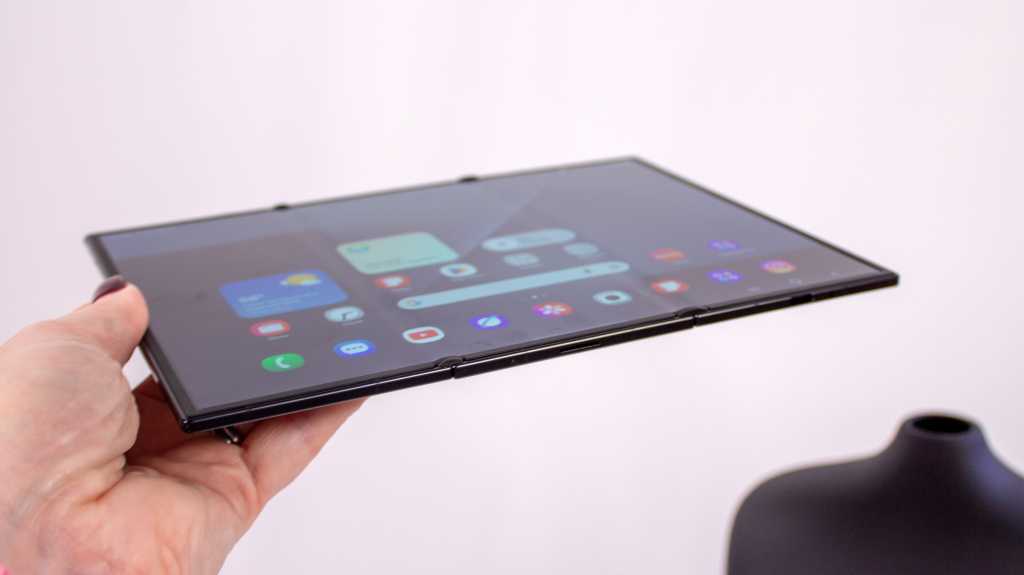
Apple’s foldable debut is reportedly delayed, and that’s probably not the disaster it might appear to be. In fact, I’d argue that Apple should delay the iPhone Ultra even further.
The iPhone Ultra has long been tipped for launch alongside the iPhone 18 range this September. However, there are signs that this launch window may have been pushed back.
According to China’s Economic Daily News, the CEO of Apple lens supplier Largan Precision has hinted at the iPhone Ultra being delayed until the beginning of next year. Translated from Chinese, Lin En-ping mentioned that “some new products [are] expected to be launched in the third quarter and others postponed to early next year”.
With the chances of no iPhone flagships in 2026 vanishingly slim, that suggests that the foldable has been shifted to early 2027.
It’s not the only component manufacturer to hint at uncertainty surrounding the iPhone Ultra’s launch date, either. Ruan Chaozong of Xinrixing (via AppleInsider), a company that’s in line to make the bearings for the iPhone Ultra, has also said that they’re still awaiting the go-ahead from Apple. That’s cutting it very fine for a September launch.
However, popular leaker Fixed Focus Digital has posted on Weibo (via 9to5Mac) to claim that the reports are “fake” and “ridiculous”, casting further doubt on the iPhone Ultra’s true launch date. But I believe that the right move would be to delay it until 2026 at the earliest.
The later the better?
Apple is already late to the foldable game, of course. Samsung rolled out its first Galaxy Z foldable in 2019, while even Google’s tardy (by Android standards) entry came about three years ago now.
It’s late enough, then, that the onus is on Apple to get its foldable debut right with its first attempt. To paraphrase the apocryphal Shigeru Miyamoto adage, a delayed phone is eventually good, but a rushed phone is forever bad.
And launching what’s already likely to be an expensive phone in the thick of 2026 just seems like a bad idea. Consider the recent comments from another respected Chinese tech source – Nothing CEO Carl Pei:
Pei knows a thing or two about the smartphone business. His role in establishing the OnePlus brand as an upstart flagship killer, before transitioning to London-based Nothing, where he builds (among other things) highly desirable yet competitively priced handsets, suggests he has a handle on the manufacturing process.
So when he commented recently on the pricing pressures currently facing smartphone manufacturers, it’s worth taking note.
a delayed phone is eventually good, but a rushed phone is forever bad
Shigeru Miyamoto (replace “phone” with “game”)
“Memory is now the most expensive component in a smartphone,” he said on X. “It’s more expensive than the processor, more expensive than the display, and can account for more than 50% of the total hardware bill.”
“Phone prices are going up, and they’ll keep going up into next year”.
Apple isn’t immune
You might think that Apple’s elevated status as arguably the world’s biggest (and certainly most influential) phone maker makes it immune to these pressures, or that its Scrooge McDuck-sized pile of cash should enable it to get ahead of the pack. Not so.
“The natural instinct is to buy ahead. It doesn’t work that way,” explains Pei. “In a shortage, memory is allocated, not bought. You get what you’re given, at the current price.”
whatever product Apple releases is likely to be the most popular foldable phone yet
In other words, don’t expect Apple’s elevated status to do it any favours in procuring the necessary memory components for the iPhone Ultra. RAM is still going to represent a sizeable chunk of the phone’s bill of materials – and in turn its final retail price.
That’s a price that was already predicted to be in excess of $1,999, and which could reach as high as $2,500 according to one estimate.
Best to ride it out?
If this component pricing pressure kicked off at the outset of 2026, and is set to continue rising “into next year”, as Pei suggests, I’d argue that any time soon would be a terrible time to launch a premium phone.
Apple has already missed its optimal window to introduce the world to its foldable concept at anything approaching a reasonable price. With that accepted, it could be worth the company gritting its teeth and holding out for market conditions to settle – perhaps even waiting a year or two for the iPhone Ultra to take its bow.
Let’s face it, whatever product Apple releases is likely to be the most popular foldable phone yet.
Apple Set to Dominate the Foldable Market with the Launch of iPhone Ultra
Recent market reports have highlighted Apple’s strong presence in the emerging foldable market, with experts predicting a significant market share for the tech giant with the release of its first foldable device. Known for their willingness to invest in cutting-edge technology, Apple fans are expected to drive the demand for the new product.
The highly anticipated iPhone Ultra is rumored to be launched at a price point that is within reach for the average consumer, potentially making it Apple’s most successful product in years. With its innovative design and advanced features, the iPhone Ultra has the potential to revolutionize the smartphone industry.









Revving Up: Tractor Battle Adventure RPG Expands with Mod Support on Steam Workshop

Troubleshooting Guide: Unable to Access 192.168.0.1

Choosing the Right AI: Ensuring Trust in Multi-Model Translation Systems

Friday Night Baseball Madness: iPhone 18 Pro Edition

Partnership Potential: JAC & Huawei in Talks to Produce Electric Maserati Vehicles

Grand Theft Auto VI: The Soundtrack – Limited Edition Physical Release

The Never-Ending Battle of the Galaxy S27 Ultra Camera: A Tech Advisor’s Perspective

Motorola Signature 27: Unveiled Specs and Vibrant Colour Options – Tech Advisor

Angle Health Soars to $2.7B Valuation: Y Combinator Insurance Tech Alum Makes Waves in Health Industry

EU Takes Action Against Instagram and Facebook for Violating Illegal Content Rules

Warning: Facebook Creators Face Monetization Loss for Stealing and Reposting Videos

Facebook’s New Look: A Blend of Instagram’s Style

Facebook Compliance: ICE-tracking Page Removed After US Government Intervention

Facebook and Instagram to Reduce Personalized Ads for European Users

InstaDub: Meta’s AI Translation Tool for Instagram Videos

Reclaim Your Account: Facebook and Instagram Launch New Hub for Account Recovery

Meta discontinues Messenger apps for Windows and macOS

Breaking Updates: Meta Connect 2025 Unveils Latest Developments

Huawei P20 Pro Unboxing!

Huawei P20 Pro vs Samsung S9 Plus!

Huawei P20 vs P20 Pro vs iPhone 8 Plus vs S9 Battery Drain Test!

10 Android Mods that Change Everything

I used the first Android Phone in the World.

DOOGEE MIX 4 UNBOXING (PROTOTYPE)!

MYSTERY UNBOXING FROM SAMSUNG!

The Truth about Huawei P20 Pro – REAL Review

How to Love your Android Phone again.
-
 Facebook11 months ago
EU Takes Action Against Instagram and Facebook for Violating Illegal Content Rules
-
 Facebook11 months ago
Warning: Facebook Creators Face Monetization Loss for Stealing and Reposting Videos
-
 Facebook9 months ago
Facebook’s New Look: A Blend of Instagram’s Style
-
 Facebook11 months ago
Facebook Compliance: ICE-tracking Page Removed After US Government Intervention
-
 Facebook9 months ago
Facebook and Instagram to Reduce Personalized Ads for European Users
-
 Facebook11 months ago
InstaDub: Meta’s AI Translation Tool for Instagram Videos
-
 Facebook10 months ago
Reclaim Your Account: Facebook and Instagram Launch New Hub for Account Recovery
-
 Apple11 months ago
Meta discontinues Messenger apps for Windows and macOS
