
Startups
7 Common Forex Trading Mistakes Beginners Need to Avoid

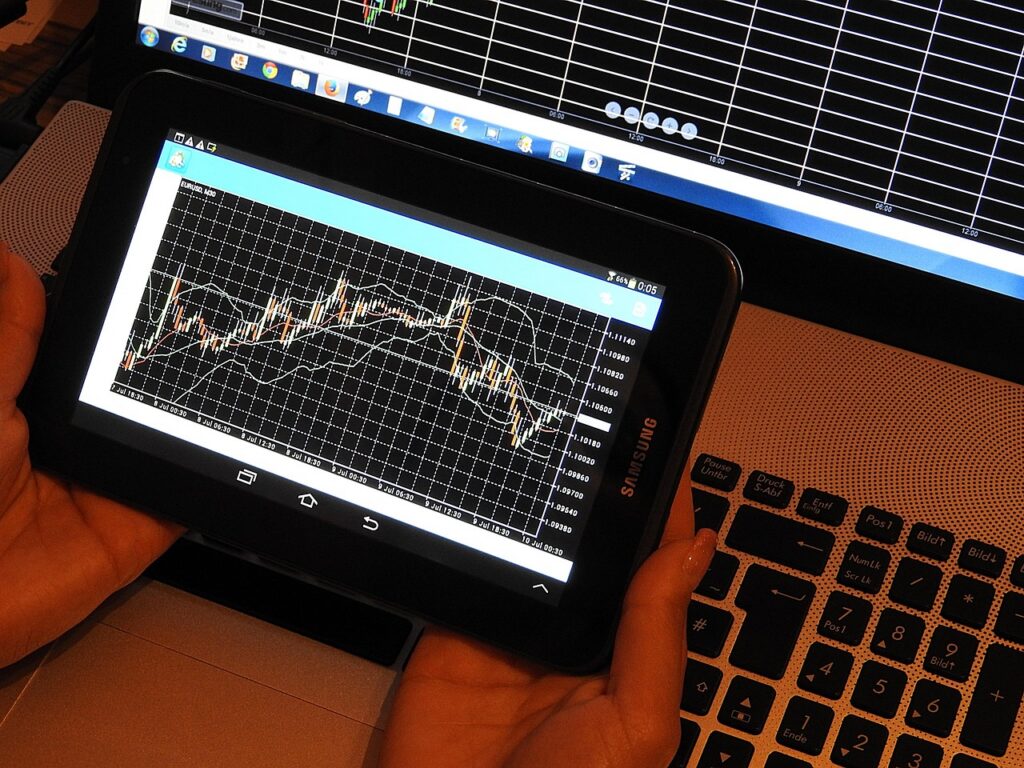
Common Forex Trading Mistakes and How to Avoid Them
Many new forex traders fall into the same traps that lead to account losses. By identifying and addressing these common mistakes, you can improve your trading performance. Here are seven key errors to watch out for and their solutions:
1. Trading without a Plan
Trading based on emotions, tips, or rumors is essentially gambling. Without a well-defined trading plan, it’s hard to learn from your mistakes. Create a simple one-page plan that outlines your trading setup, entry and exit points, stop-loss levels, and risk management strategy.
2. Using Excessive Leverage
High leverage can amplify both gains and losses. To prevent blowing up your account, use leverage conservatively and base your position size on your risk tolerance. Remember, the maximum leverage offered by a broker is a limit, not a recommendation.
3. Trading without a Stop-Loss
Not using a stop-loss can result in significant losses, especially during unexpected market moves. Always set a stop-loss before entering a trade to protect your capital and stick to your plan.
4. Revenge Trading and Overtrading
After a loss, avoid the temptation to overtrade or increase your position size to recoup losses quickly. Establish a daily loss limit and know when to walk away. Tomorrow is another trading day.
5. Ignoring Hidden Costs
Aside from the visible price, consider additional costs such as spreads, swap fees, and withdrawal charges. These expenses can impact your overall profitability, especially on a small account. Factor in all costs when evaluating your trading performance.
6. Choosing the Right Broker
Ensure you select a reputable and regulated broker to avoid potential issues like poor execution, withdrawal delays, or hidden fees. Verify the broker’s license and reputation before depositing funds to protect your investments.
7. Risking Money You Can’t Afford to Lose
Trading with money you can’t afford to lose can lead to emotional decision-making and poor risk management. Only use risk capital that won’t impact your financial stability if lost. Calm and rational trading yields better results than emotional trading.
The Quick Checklist
Keep this checklist handy:
- Define your trading rules before executing trades.
- Utilize leverage cautiously.
- Always set a stop-loss before entering a trade.
- Establish a daily loss limit and stick to it.
- Consider all trading costs in your analysis.
- Thoroughly vet brokers before opening an account.
- Trade only with funds you can afford to lose.
Developing discipline and following a consistent trading approach can help you avoid these common pitfalls. Remember, success in forex trading is more about adhering to a sound strategy than relying on talent.
Frequently Asked Questions About Forex Trading Mistakes
What is the most common mistake in forex trading?
One of the most common mistakes is oversizing positions, often due to excessive leverage and lack of stop-loss orders. Proper position sizing is crucial for long-term trading success.
Why do most forex traders lose money?
Multiple factors contribute to traders losing money, including the absence of a trading plan, excessive risk-taking, overlooking hidden costs, and emotional decision-making. Statistics show that a high percentage of retail traders experience losses, highlighting the prevalence of these issues.
How do I know if my broker is causing trading problems?
Signs of a problematic broker include consistent slippage against you, slow withdrawal processing, pressure to deposit more funds, and lack of verifiable regulatory licenses. If you notice these warning signs, consider switching to a more reputable broker to safeguard your trading activities.













Apple Unveils Groundbreaking iOS 27.2 Developer Beta for iPhone

Huawei P20 Pro vs Samsung S9 Plus!

McLaren P34 to Replace Artura in 2028: A New Era Begins

Microsoft AI CEO Warns of Real AI Threats: Anthropic’s Role in Escalating Danger

ThreatsDay: Self-Rewriting Agents, Patched Flaws, and Insider SIM Swaps – A Roundup of 22 New Stories

Mass Layoffs at Heart Machine as Publisher Cancels Unreleased Game

Enhanced Technology: Latest Features and Upgrades

Revolutionizing AI: PrismML’s Groundbreaking LLM Technology

The Ultimate Guide to Apple Watch Series 12 Fast Charging: Making the Right Purchase

EU Takes Action Against Instagram and Facebook for Violating Illegal Content Rules

Warning: Facebook Creators Face Monetization Loss for Stealing and Reposting Videos

Facebook Compliance: ICE-tracking Page Removed After US Government Intervention

Facebook’s New Look: A Blend of Instagram’s Style

Facebook and Instagram to Reduce Personalized Ads for European Users

InstaDub: Meta’s AI Translation Tool for Instagram Videos

Reclaim Your Account: Facebook and Instagram Launch New Hub for Account Recovery

Meta discontinues Messenger apps for Windows and macOS

Breaking Updates: Meta Connect 2025 Unveils Latest Developments
Huawei P20 Pro vs Samsung S9 Plus!

Huawei P20 vs P20 Pro vs iPhone 8 Plus vs S9 Battery Drain Test!

10 Android Mods that Change Everything

I used the first Android Phone in the World.

DOOGEE MIX 4 UNBOXING (PROTOTYPE)!

MYSTERY UNBOXING FROM SAMSUNG!

The Truth about Huawei P20 Pro – REAL Review

How to Love your Android Phone again.

The LG G7 has a Big Problem.
-
 Facebook11 months ago
EU Takes Action Against Instagram and Facebook for Violating Illegal Content Rules
-
 Facebook11 months ago
Warning: Facebook Creators Face Monetization Loss for Stealing and Reposting Videos
-
 Facebook11 months ago
Facebook Compliance: ICE-tracking Page Removed After US Government Intervention
-
 Facebook9 months ago
Facebook’s New Look: A Blend of Instagram’s Style
-
 Facebook9 months ago
Facebook and Instagram to Reduce Personalized Ads for European Users
-
 Facebook11 months ago
InstaDub: Meta’s AI Translation Tool for Instagram Videos
-
 Facebook10 months ago
Reclaim Your Account: Facebook and Instagram Launch New Hub for Account Recovery
-
 Apple11 months ago
Meta discontinues Messenger apps for Windows and macOS
