
Startups
Lessons Learned: The Runlayer Lawsuit Saga and the Importance of Caution for Entrepreneurs

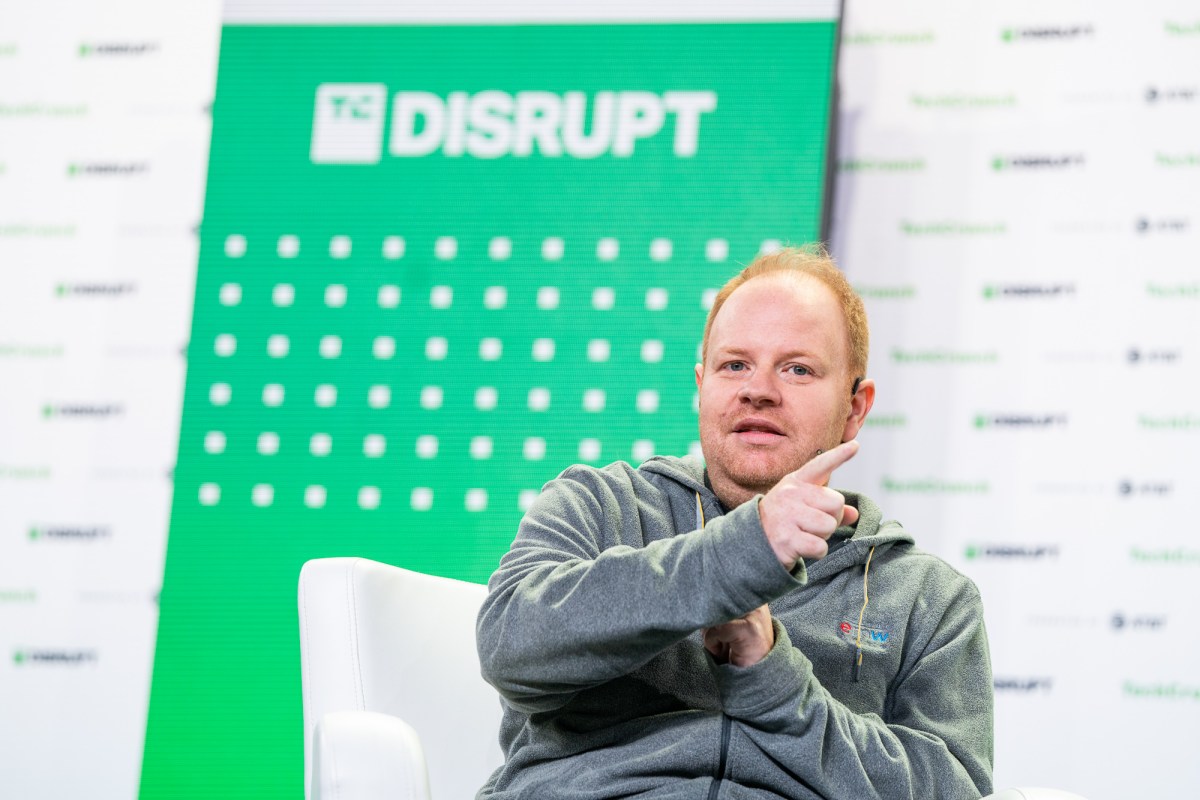
Runlayer and Rippling Drop Lawsuits Against Each Other
In a surprising turn of events, Runlayer and Rippling have decided to drop their respective lawsuits against each other without reaching a settlement or exchanging any money, including lawyers’ fees, as per court documents obtained by TechCrunch.
Following this development, Rippling wasted no time and promptly released its MCP gateway, the focal point of the legal disputes and a direct competitor to Runlayer’s offering.
This highly publicized dispute serves as a cautionary tale for founders in the AI era. With the ease of developing new software, potential competitors can emerge unexpectedly, including from within the customer base.
To recap the brief legal clash, Runlayer, a startup that emerged from stealth mode in November 2025, has secured $42 million in funding from prominent VCs such as Khosla Ventures’ Keith Rabois and Felicis. The company, led by seasoned entrepreneur Andrew Berman, previously founded successful ventures like Nanit and Vowel.
The legal dispute arose when Rippling, after extensively testing Runlayer’s MCP gateway for over a year, decided not to become a customer. Instead, Rippling informed Berman of its intention to develop its own MCP gateway, described by an employee as a replica of Runlayer’s product.
Runlayer then filed a lawsuit alleging that Rippling breached contractual obligations related to product testing.
An MCP gateway plays a crucial role in managing an enterprise’s AI agent requests for data from various software systems securely. It ensures that data retrieval processes are controlled and can incorporate additional features such as role-based access control and observability.
In response, Rippling countersued, accusing Runlayer of infringing on its patents in what was perceived as a tactic to pressure Runlayer to withdraw its lawsuit and incur legal expenses.
Following three weeks of discovery, Runlayer chose to dismiss its lawsuit, prompting Rippling to do the same without seeking a settlement.
Although the legal battles did not yield any tangible outcomes, the situation underscores the rapidly evolving landscape of AI technology, necessitating a reevaluation of prolonged technical confrontations between startups and enterprises.
Rippling Expands into AI Gateway Market
In a strategic move, Rippling, traditionally focused on payroll and benefits management, has ventured into the AI gateway sector with a versatile tool capable of routing to different models and monitoring token expenditure per employee. This new product competes with established players like Stripe, Ramp, and Databricks.
Furthermore, Rippling has entered the AI security realm with its MCP gateway, aligning AI access with employee roles. This places Rippling in competition with Runlayer, Docker, and Amazon Bedrock.
Contrastingly, Runlayer emphasizes a comprehensive suite of agent security services linked to the gateway, spanning from agent creation to detecting unauthorized AI agents operating within an enterprise.
Should you choose to make a purchase through the links provided in our content, we may receive a small commission. Rest assured, this does not influence our commitment to editorial integrity.











FRITZ!OS 8.50 Launches with Enhanced Features: DNS Filtering, Automatic Prioritization, and Matter Bridge Support

The Future of AI Adoption: Exploring the 2% of Consumers Embracing Super Intelligence

Apple’s Testimony: The Case for Removing ICEBlocks

Tesla’s Groundbreaking Feature: Use at Your Own Risk

NO GAME NO LIFE: Grasshopper Manufacture’s Indie Leap

Strengthening Ties: GEC Enhances Ireland-UK Startup Network in the Midst of EU Discussions

Unbeatable Deal: The AirPods Pro 3 for Only $179

Breaking News: Exclusive Details on the Latest Fitbit Edge Features

Apple Store Security Alert: HK Police Demand Fix for $3.8M Fraud Loophole

EU Takes Action Against Instagram and Facebook for Violating Illegal Content Rules

Warning: Facebook Creators Face Monetization Loss for Stealing and Reposting Videos

Facebook’s New Look: A Blend of Instagram’s Style

Facebook Compliance: ICE-tracking Page Removed After US Government Intervention

Facebook and Instagram to Reduce Personalized Ads for European Users

InstaDub: Meta’s AI Translation Tool for Instagram Videos

Reclaim Your Account: Facebook and Instagram Launch New Hub for Account Recovery

Meta discontinues Messenger apps for Windows and macOS

Breaking Updates: Meta Connect 2025 Unveils Latest Developments

Faraday Future FF 91 – 1050 Horsepower Madness!

The Truth about the OnePlus 5T – REAL Review.

Concept Smartphones that are better than Real Smartphones

Samsung Galaxy SII Unboxing!

The SECRET to Maximise Smartphone Battery Life?

We Designed the Ultimate Gaming Smartphone of 2018!

Using the Cheapest Smartphone in the World.

Samsung Galaxy S9+ Unboxing! (Clone)

Unboxing the First Ever Samsung Galaxy S!!
-
 Facebook12 months ago
EU Takes Action Against Instagram and Facebook for Violating Illegal Content Rules
-
 Facebook12 months ago
Warning: Facebook Creators Face Monetization Loss for Stealing and Reposting Videos
-
 Facebook10 months ago
Facebook’s New Look: A Blend of Instagram’s Style
-
 Facebook12 months ago
Facebook Compliance: ICE-tracking Page Removed After US Government Intervention
-
 Facebook10 months ago
Facebook and Instagram to Reduce Personalized Ads for European Users
-
 Facebook12 months ago
InstaDub: Meta’s AI Translation Tool for Instagram Videos
-
 Facebook10 months ago
Reclaim Your Account: Facebook and Instagram Launch New Hub for Account Recovery
-
 Apple12 months ago
Meta discontinues Messenger apps for Windows and macOS
