
Startups
Reviving the Nuclear Renaissance: Small Reactors and the Road Ahead

The Nuclear Industry: A Renaissance on the Horizon
The nuclear industry is currently experiencing a renaissance, with old plants undergoing refurbishment and startups attracting significant investments. In 2025, nuclear startups raised a staggering $1.1 billion, driven by investor optimism that smaller nuclear reactors could address the challenges faced by the traditional industry.
Traditional nuclear reactors are massive infrastructure projects, exemplified by the Vogtle 3 and 4 reactors in Georgia. While these reactors generate over 1 gigawatt of electricity each, they were plagued by delays and cost overruns, highlighting the need for innovation in the sector.
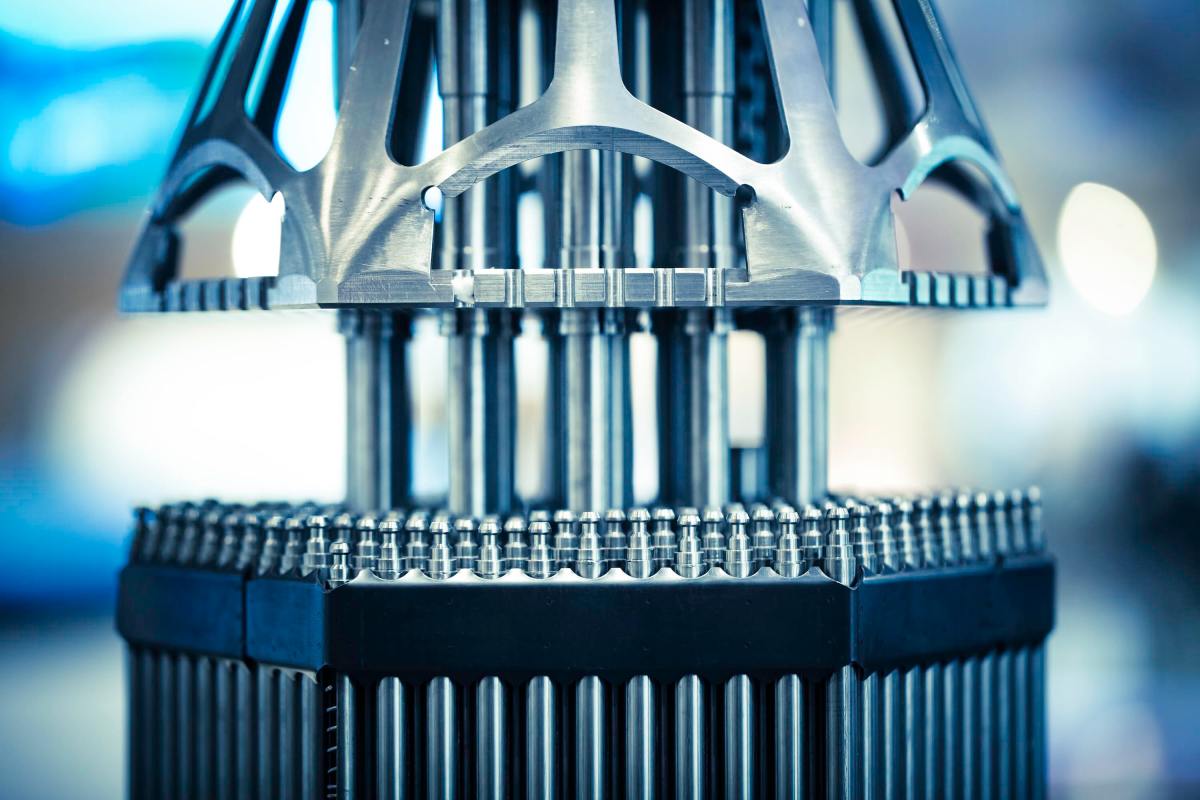
The new wave of nuclear startups aims to overcome these challenges by developing smaller reactors that can be built using mass production techniques. By scaling down the size of reactors, companies believe they can improve efficiency, reduce costs, and boost power output by simply adding more reactors when needed.
However, the path to successful manufacturing is not without its obstacles. The experience of companies like Tesla, struggling to scale production of the Model 3, serves as a cautionary tale. Nuclear startups in the U.S. face additional hurdles due to the lack of expertise in key materials and components, which are often sourced from overseas.
Milo Werner, a seasoned manufacturing expert and investor, emphasizes the importance of capital and human resources in manufacturing. While the nuclear industry is currently well-funded, the lack of skilled personnel presents a significant challenge, as the U.S. has not built industrial facilities in decades, leading to a shortage of experienced manufacturing professionals.
Don’t miss the upcoming Techcrunch event in San Francisco on October 13-15, 2026!
Despite these challenges, Werner remains optimistic about the future of manufacturing, particularly in the nuclear sector. She highlights the trend of startups building early versions of products in close collaboration with technical teams, a practice that accelerates the learning and improvement process.
To harness the benefits of mass manufacturing, startups are advised to adopt a modular approach and focus on scalability. By starting small and gradually increasing production volumes, companies can gather valuable data on the manufacturing process and demonstrate continuous improvement over time.
While the journey towards mass manufacturing efficiencies may be lengthy, the long-term benefits are significant. It often takes years of dedication and refinement to achieve substantial cost reductions through optimized manufacturing processes.













Reimagining the Next Generation: A Closer Look at the Apple TV 4K and HomePod Mini

Samsung Galaxy S9 & S9+ UNBOXING!

Revolutionary Safety Feature: Tesla Roadster with Retractable Movable Wing

Microsoft Announces Discontinuation of Copilot Plus PC Brand

Goblin Invasion: Hytale’s Chapter 1 Update Introduces Epic Boss Battles and Intricate Dungeons

Samsung Galaxy S27 Pro and Ultra: Enhanced with Larger Batteries

Innovative Health Benefits for Emerging Businesses

Comparing Apple Home’s AI Camera to Amazon and Google: A Test of Smart Home Technology

AirPods Enhancements: The Long-Awaited Update

EU Takes Action Against Instagram and Facebook for Violating Illegal Content Rules

Warning: Facebook Creators Face Monetization Loss for Stealing and Reposting Videos

Facebook’s New Look: A Blend of Instagram’s Style

Facebook Compliance: ICE-tracking Page Removed After US Government Intervention

Facebook and Instagram to Reduce Personalized Ads for European Users

InstaDub: Meta’s AI Translation Tool for Instagram Videos

Reclaim Your Account: Facebook and Instagram Launch New Hub for Account Recovery

Meta discontinues Messenger apps for Windows and macOS

Breaking Updates: Meta Connect 2025 Unveils Latest Developments
Samsung Galaxy S9 & S9+ UNBOXING!

Samsung Galaxy S9 Plus vs iPhone X

The BEST $300 Phone (2018) ft. MKBHD, Technical Guruji, iJustine + More

Samsung Galaxy S9 Plus Gaming Review! (vs OnePlus 5T)

THE BEST PHONE HTC EVER MADE?

The Truth about Google?

Samsung S9/ S9+ vs iPhone X vs Galaxy Note 8 Battery Life DRAIN TEST

Samsung S9 / S9+ vs Mate 10 Pro vs iPhone X Charging SPEED Test

The BEST APPS in 2018 – ft. MKBHD, UrAvgConsumer, iJustine + More
-
 Facebook11 months ago
EU Takes Action Against Instagram and Facebook for Violating Illegal Content Rules
-
 Facebook12 months ago
Warning: Facebook Creators Face Monetization Loss for Stealing and Reposting Videos
-
 Facebook10 months ago
Facebook’s New Look: A Blend of Instagram’s Style
-
 Facebook12 months ago
Facebook Compliance: ICE-tracking Page Removed After US Government Intervention
-
 Facebook10 months ago
Facebook and Instagram to Reduce Personalized Ads for European Users
-
 Facebook12 months ago
InstaDub: Meta’s AI Translation Tool for Instagram Videos
-
 Facebook10 months ago
Reclaim Your Account: Facebook and Instagram Launch New Hub for Account Recovery
-
 Apple11 months ago
Meta discontinues Messenger apps for Windows and macOS
